Boiler pilot light keeps going out in Minnesota

Step 1 of 3: Equipment

Why does my boiler's pilot light keep going out?

A pilot that won't stay lit usually means something small has gone wrong, but it can also point to a safety feature doing its job. Either way, a boiler you can't trust to stay running isn't something to leave alone through a Minnesota winter.

Usually a dirty or failing thermocouple, sometimes a draft or a bad gas valve

The thermocouple is the small metal rod that sits in the pilot flame and tells the gas valve the flame is lit. When it gets coated with soot or starts to fail, it stops sending that signal, and the valve shuts the gas off even though the pilot was burning fine a minute ago. A draft near the boiler can blow the pilot out directly, which matters in Minnesota basements where cold air moves through gaps all winter. Less often, the gas valve itself is failing. None of these fix themselves, and a pilot that won't hold means the boiler can't run until someone finds which of the three it is.

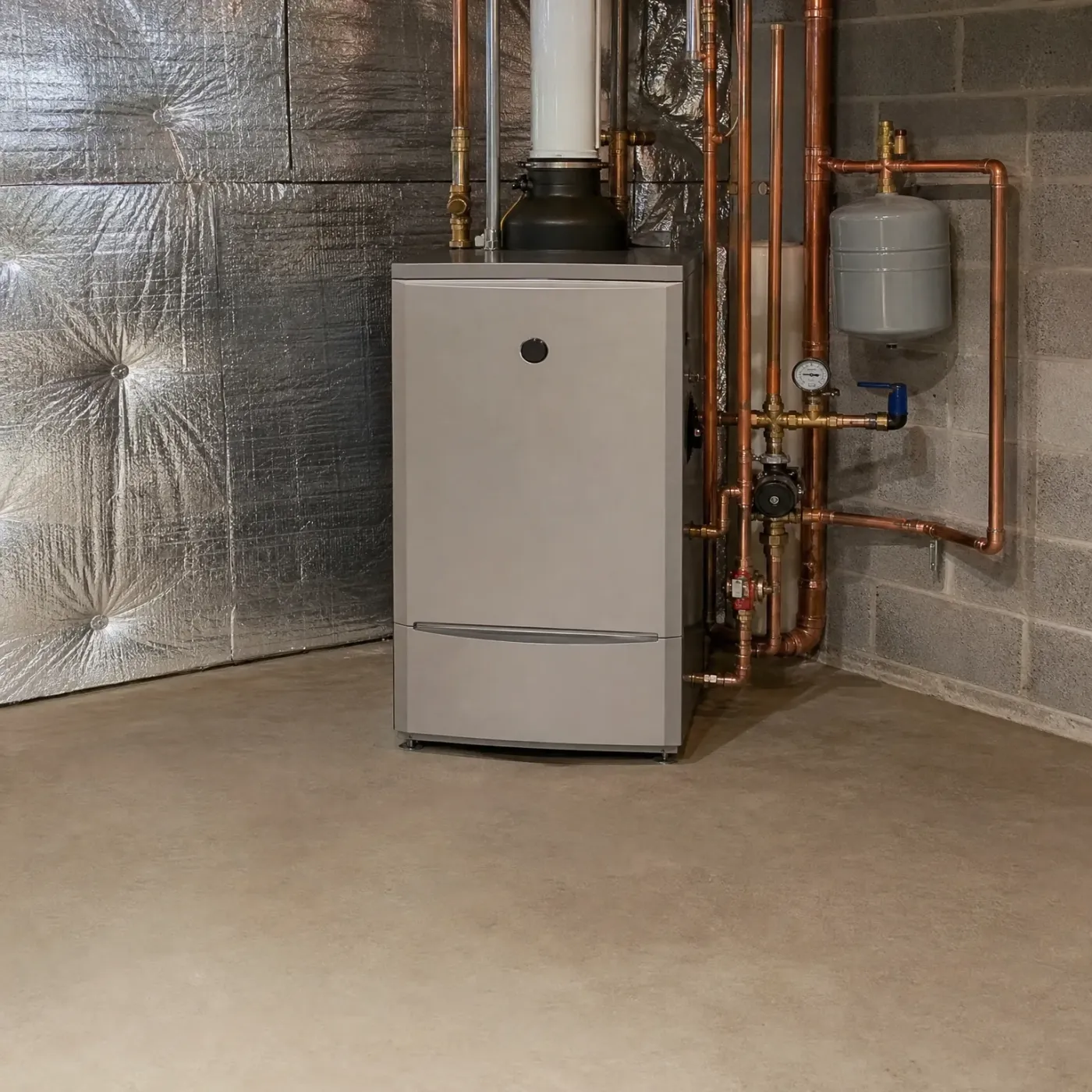
A gray floor-standing boiler on a concrete pad in a basement corner, with copper piping, a circulator pump, a white PVC flue, and a gray expansion tank mounted on the wall.

Pilot stays lit, boiler runs as it should

The flame holds steady and the thermocouple reads it without interruption. Water moves through the pipes and the pump on schedule, and the boiler cycles on and off the way it was built to. No relighting, no guessing whether heat is coming.

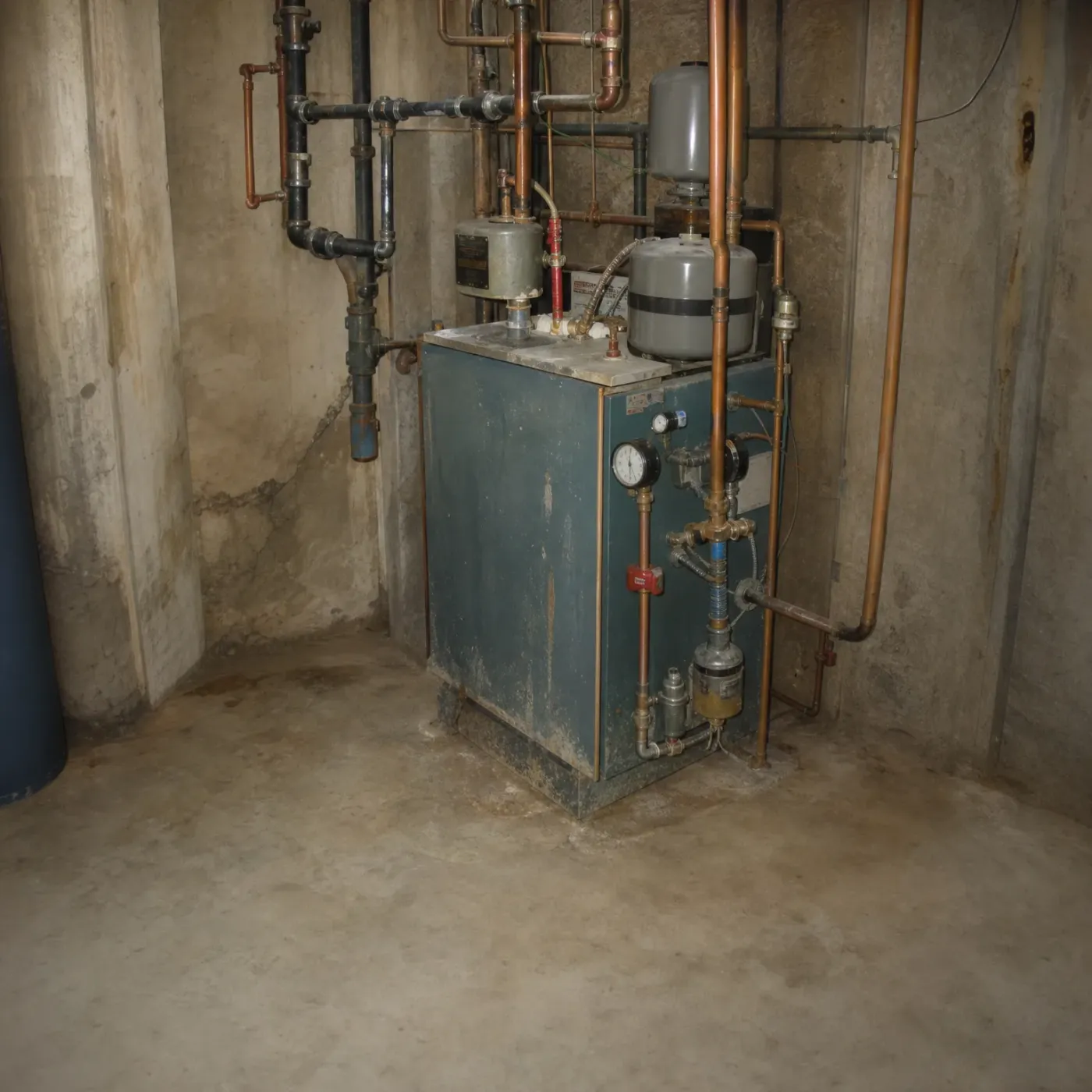
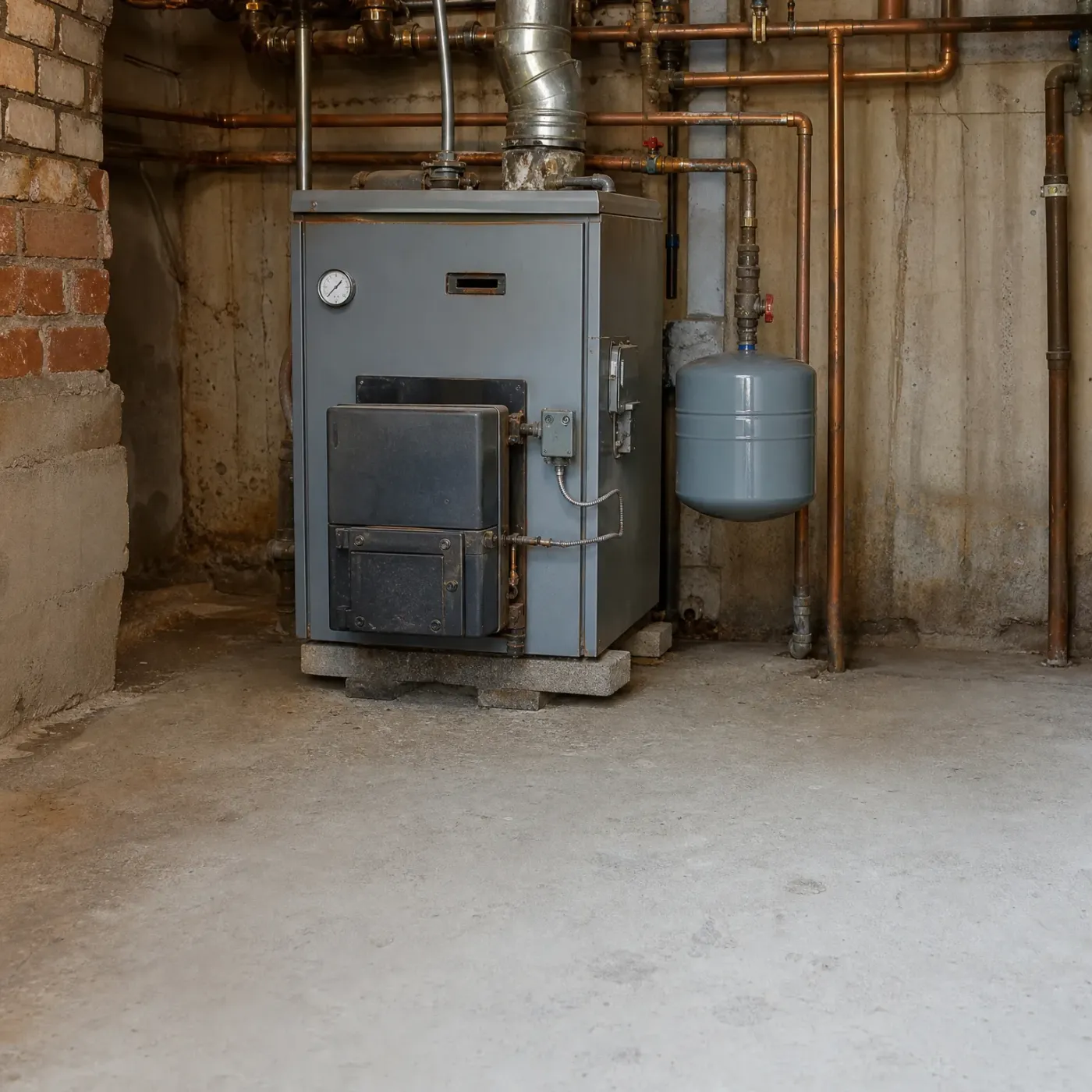
A green metal boiler with pressure gauge stands in a concrete basement corner, surrounded by copper and black iron pipes and two tank-shaped vessels.

Pilot keeps dropping out

The flame goes out again and again, and each time someone has to relight it by hand. A dirty or failing thermocouple, a draft near the pilot, or a worn gas valve can all cause this. Left alone, a Minnesota winter doesn't wait for it to sort itself out.

Why does your pilot keep dying out on you

You've probably relit it a few times already, kneeling by the boiler with a lighter, waiting to see if it holds this time. Maybe it stays lit for a day, then quits again overnight. Maybe you smell a faint gas odor right before it goes out, or notice the flame looks thin and blue instead of steady. Some nights you check it before bed because you don't trust it to make it to morning. With a Minnesota winter outside, a boiler that won't stay running isn't a small annoyance. If the pilot keeps failing and nobody looks at why, you're stuck relighting it yourself indefinitely, and on the night you don't catch it, the house has no heat.

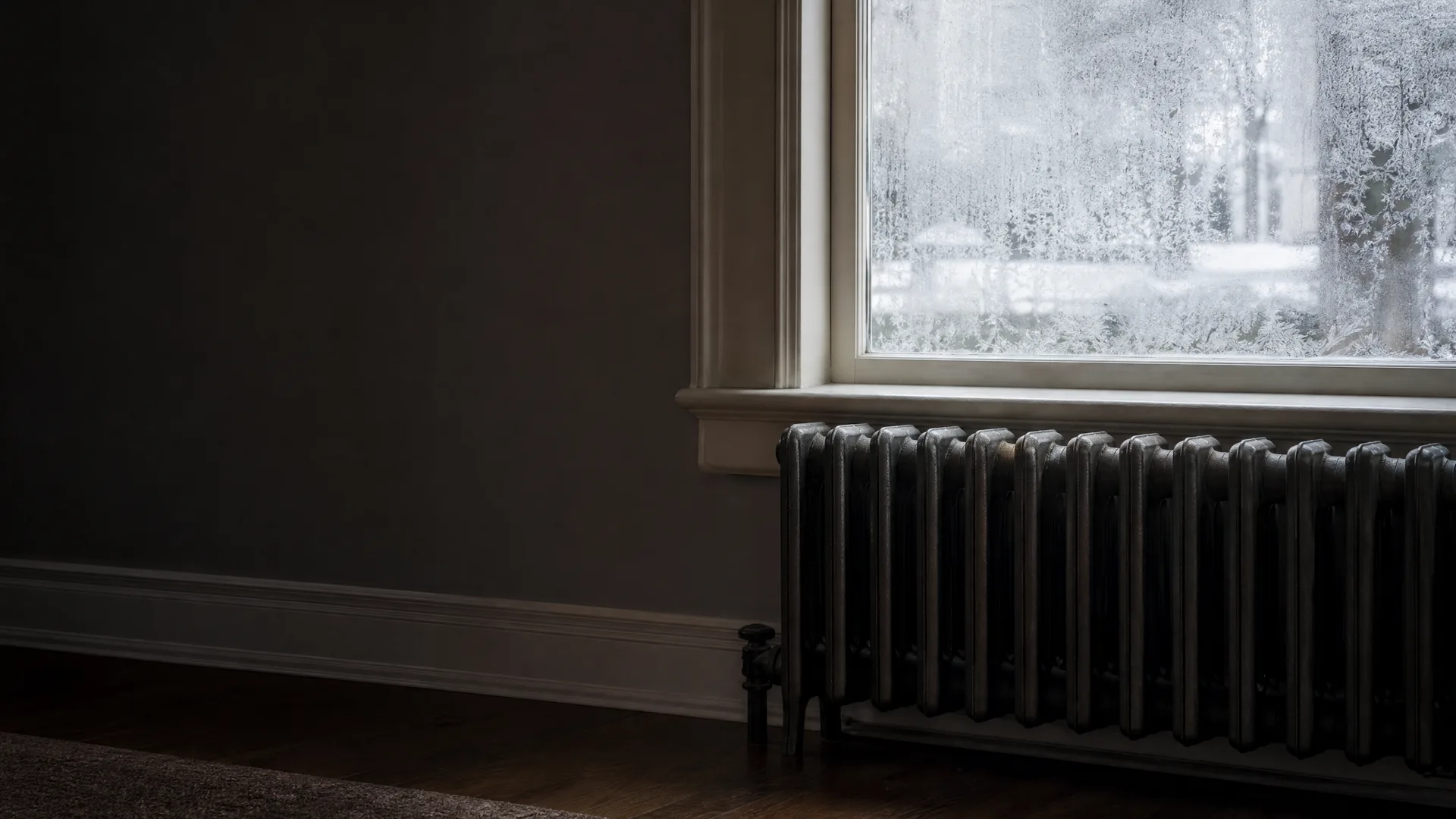
A cast iron column radiator with a valve stands beneath a window with a frosted pane showing snowy trees outside, in a dim room with dark walls and wood flooring.

Six in the morning, still dark outside. You come downstairs in socks and your feet feel it before you're even in the room, the floor by the radiator colder than it should be. Frost has crept up the inside of the living room window, a thin white film over the glass, and the cast-iron radiator under it sits quiet. No tick, no hiss, none of the small sounds it usually makes. You crouch down and check the pilot and it's out again, third time this week. Outside it's well below freezing, the kind of January morning Minnesota gives you without asking. You reach for the lighter on the mantel, already knowing how this goes.

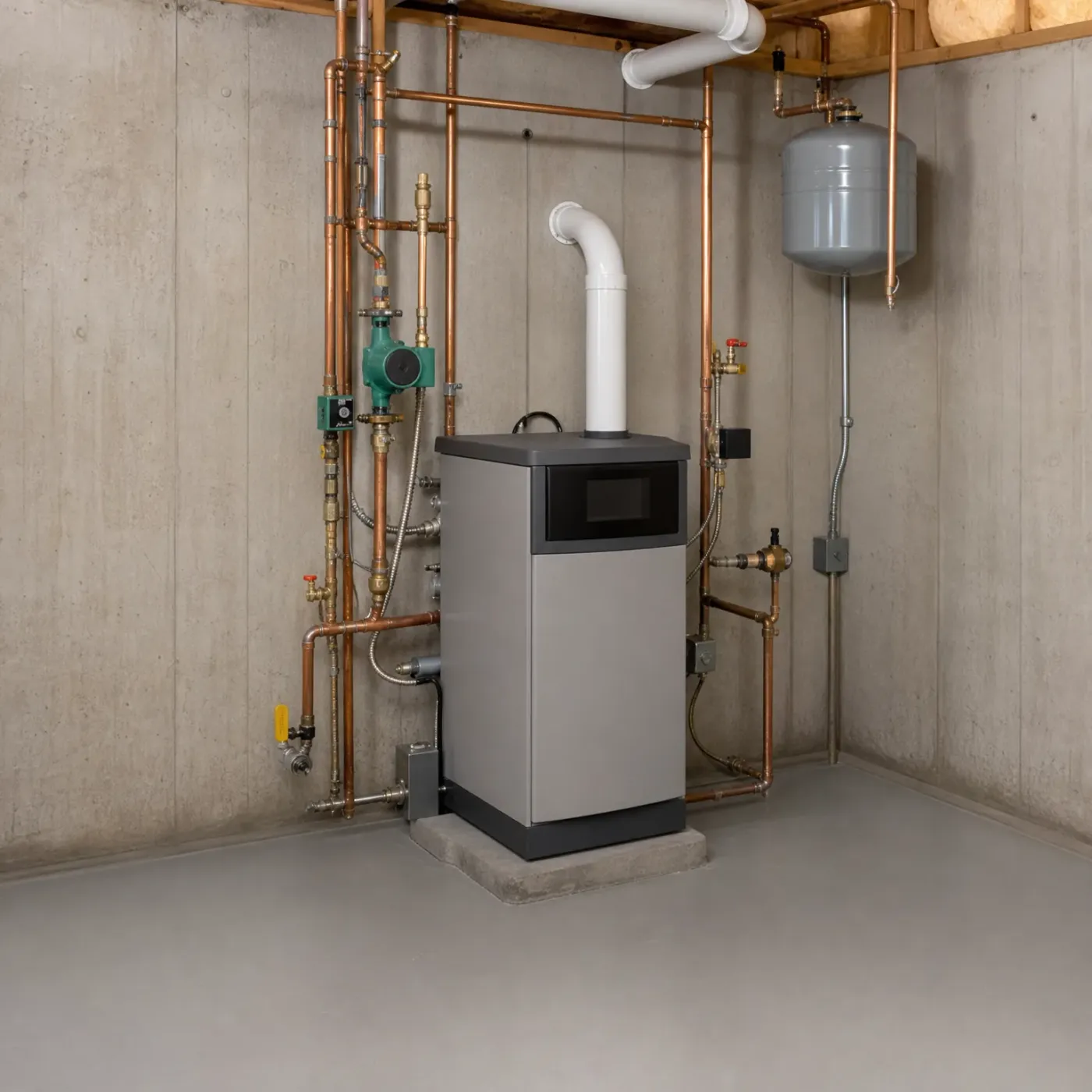
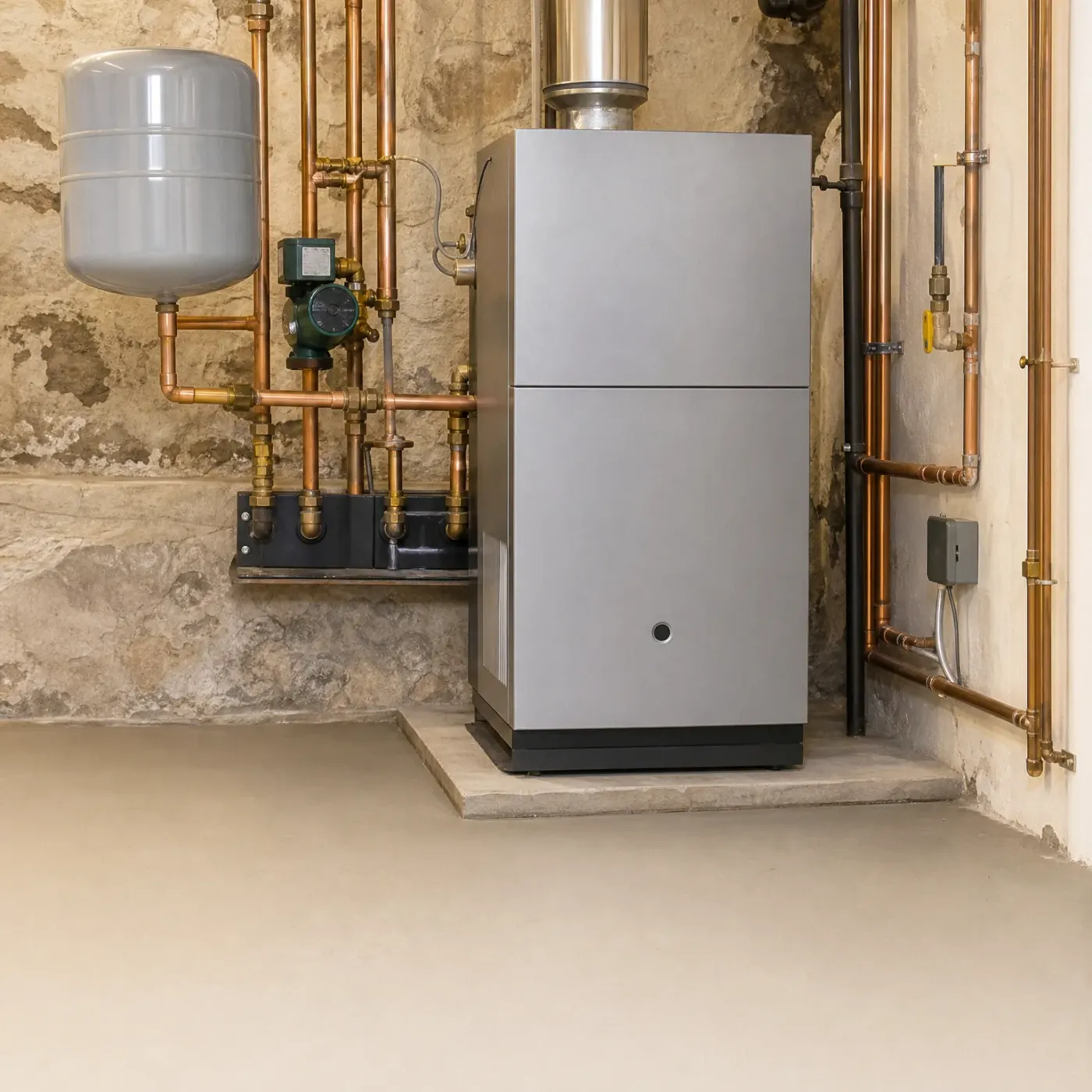
A gray boiler unit with a flue pipe stands on a concrete pad in a basement, surrounded by copper piping, a circulator pump, an expansion tank mounted on a stone wall, and an electrical outlet.
A thermocouple reading the flame correctly, so the gas valve stays open through a Minnesota night.
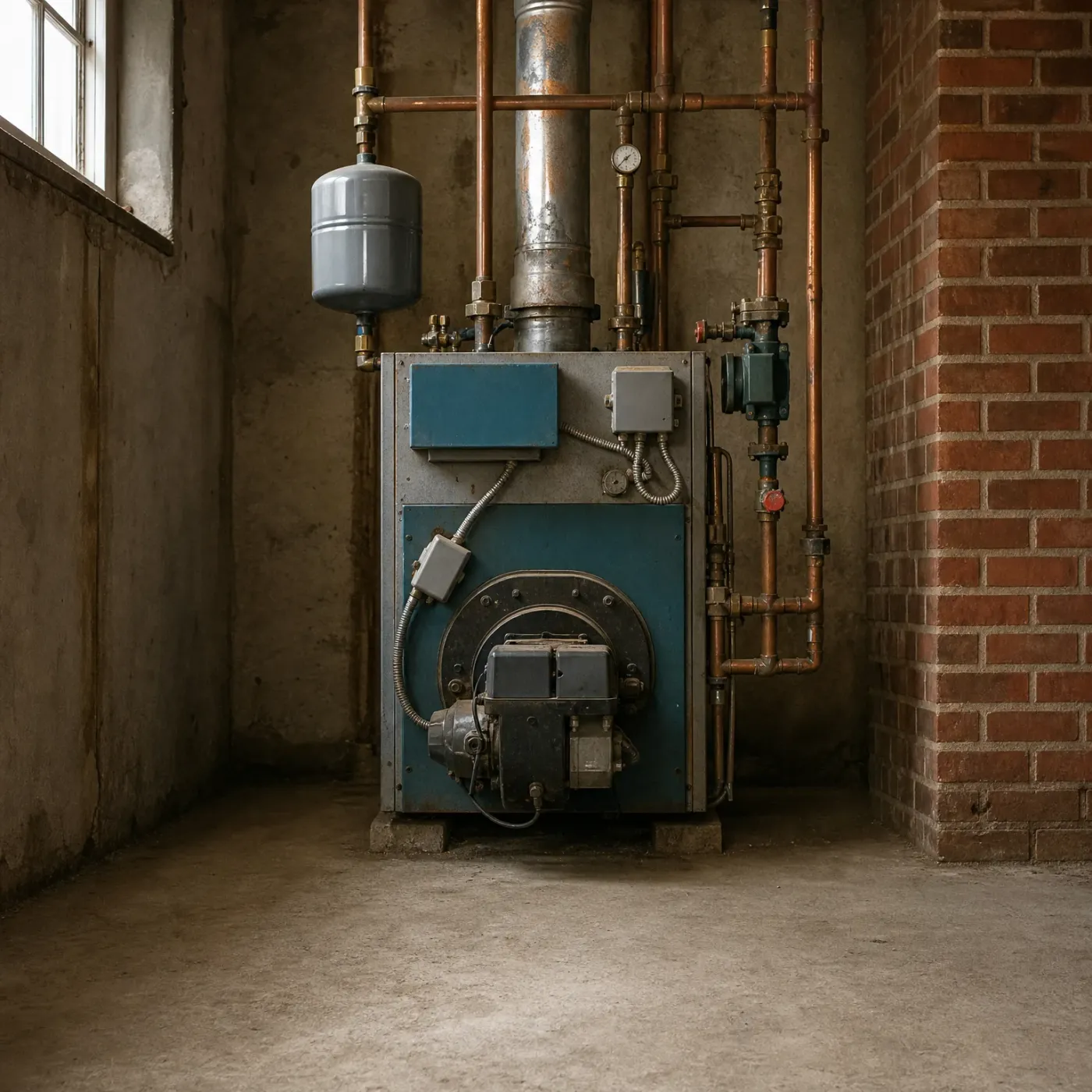
A blue cast-iron boiler with a burner unit, gauges and copper piping stands in a concrete-floored basement room beside a red brick pillar and a window.
A worn thermocouple or a draft at the burner, letting the pilot drop out before morning.

The thermocouple is a thin rod that sits right in the pilot flame. The heat from that flame generates a tiny electric current, and that current is what holds the gas valve open. No flame, no current, and the valve closes itself within seconds. It's built that way on purpose, so gas can't keep flowing if the flame has gone out. When the rod gets old, or soot builds up on the tip, or the pilot flame drifts off it in a draft, the current drops just enough that the valve reads it as no flame at all, even while the pilot is still burning. That's why relighting works for a while and then doesn't. The flame itself can be fine. It's the rod's read on the flame that's failing, and a boiler doesn't know the difference between a flame that's out and a flame it can no longer sense.

A smiling bearded man in a navy crewneck sweater sits at a dinner table with a glass of red wine, plates and glasses in the foreground, in a dimly lit room with a lamp and framed picture behind him.
A woman in a dark gray sweater reclines on a light sofa with eyes closed and a slight smile, under a textured gray blanket with an open book resting on her lap, with a lit table lamp and plant in the background.

A boiler pro near you

Skip searching for a boiler pro and answer a few questions instead.

No fee to send it, and nothing to sign.

A gray residential boiler in a basement corner with copper piping, a circulator pump, pressure gauge, blue-handled valve and gray expansion tank against a concrete block wall, next to a foil-insulated wall.

Running the way it should

The boiler sits against the wall with its piping and expansion tank in order, pressure gauge holding steady. The pilot stays lit, the circulator pump moves water on schedule, and the burner fires when the thermostat calls for it. Nothing to check on, nothing to relight.

A gray boiler on a concrete block base in a basement, with copper piping, a metal flue, and a gray expansion tank mounted beside it against a concrete wall.

Pilot won't hold

An older boiler like this one, connected to the same kind of copper piping and flue duct, can start losing the pilot more often as the thermocouple wears or a draft reaches the burner. You're back down in the basement with a lighter, and some mornings it didn't catch at all.

Winter nights average 8°F statewide

On a January night here, the outdoor temperature can sit around 8°F until morning. Your boiler has to hold a steady pilot and keep firing for hours straight to keep up. A thermocouple that's starting to fail may get through a mild evening but give out under that kind of sustained demand.

NOAA nClimDiv 1991-2020 county normals weighted by homes

Where this leaves you

  • A pilot that keeps going out almost always traces to a worn thermocouple, a draft at the burner, or a dirty pilot orifice.
  • A Minnesota boiler runs for hours straight on cold nights, which is when a weak thermocouple is most likely to fail.
  • A pilot that relights but drops out again within a day points to a part wearing down, not a one-time fluke.
  • Letting it ride means more nights relighting it yourself and more mornings finding the house colder than it should be.
  • A faint gas smell near the boiler is a different problem and means shutting off the gas and getting it looked at right away.
  • A thermocouple or gas valve problem gets fixed once a contractor sees what's actually failing at the burner.

A pilot that won't hold is telling you something specific, not something random. Most of the time it's a thermocouple that's worn out, a draft reaching the burner from somewhere it shouldn't, or an orifice that's gotten dirty enough to choke the flame down. Any of those will show the same pattern: the pilot lights, seems fine, then quits again, usually within a day or two, and it keeps happening because the part causing it hasn't been replaced or cleaned yet. Your boiler doesn't get a break in January. It runs for hours on end on the coldest nights, and that long a stretch is exactly when a weakening thermocouple is most likely to drop out, often overnight, so you wake up to a colder house instead of catching it in the evening. Relighting it yourself buys you a few hours, not a fix. If you ever catch a gas smell near the unit, that's not the thermocouple, that's a leak, and it means shutting off the gas supply and getting someone out right away rather than waiting. For the ordinary case, the one where it's just a pilot that won't stay lit, a contractor can look at the thermocouple, the burner area, and the gas valve and tell you which one is actually failing. That's not something to figure out by relighting it again tonight and hoping it holds through to morning.

A woman in a cream sweater with her hair in a bun laughs while seated at a stone counter holding a glass of red wine, in a dimly lit interior with a sofa, houseplants and a large window at night.
A woman with long dark hair in a cream knit sweater laughs while looking off to the side, seated in front of a dimly lit kitchen with an island, stools, open shelving and a potted plant, with a glass of red wine in the foreground.
A smiling woman with long dark wavy hair in a light knit sweater sits at a marble counter with a glass of red wine, with a dimly lit living room and kitchen in the background.
A smiling woman with long wavy brown hair in a beige sweater sits at a white marble counter with a glass of red wine, with a living room, dining table and kitchen cabinets behind her.

A local pro for your boiler repair

A thermocouple, a draft, or a dirty orifice can all cause the same thing: a pilot that won't stay lit through a cold Minnesota night. Figuring out which one takes someone looking at the burner in person. Instead of searching for a contractor, calling a few, and explaining the same problem each time, you can answer a few questions here and get matched with one who handles boiler repair in your area. They'll reach out to you directly to sort out what's actually going wrong.

Fill out one form

One form replaces the calls you'd make to find a boiler pro.

Sending the form costs nothing.