Tell us about the job
Takes about a minute. No obligation.
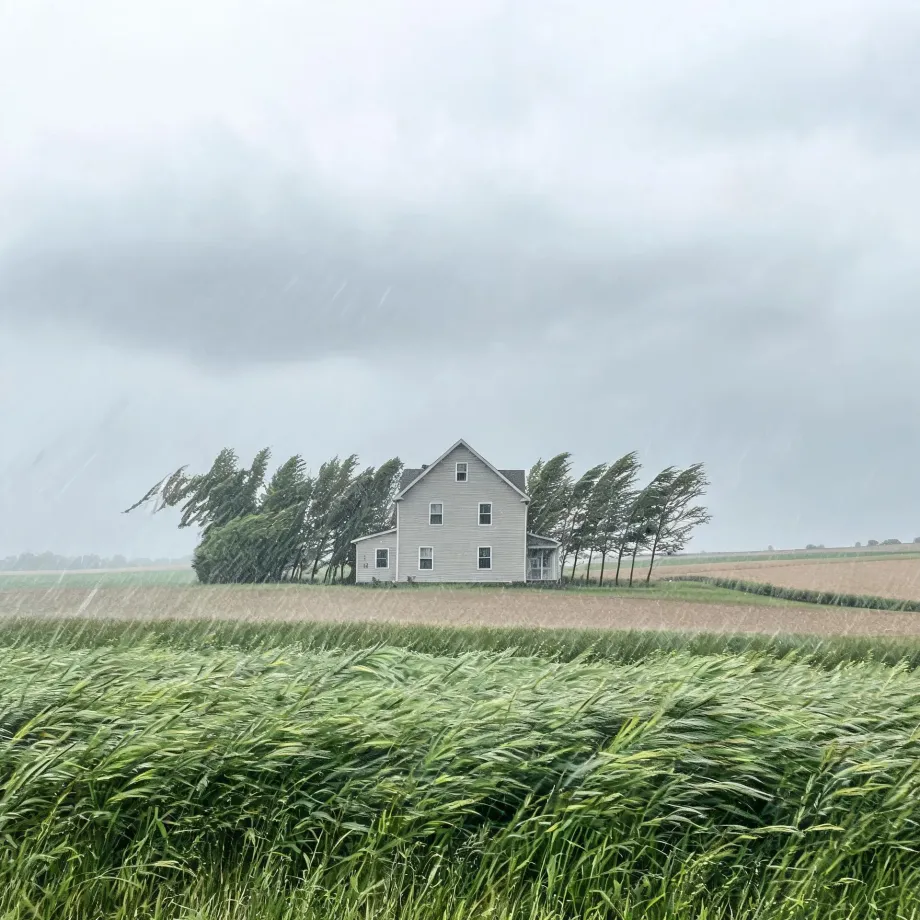
A boiler repair in this county starts with a question about what the system has already been running against. 313 severe weather events were recorded in Hennepin County, Minnesota between 2015 and 2024. At that rate, severe weather is a regular feature of the operating environment, and its effects accumulate in the components that manage pressure and temperature swings. Heat exchangers crack under repeated thermal stress. Pressure relief valves cycle hard and seat poorly over time. A contractor working through a repair here checks those parts first, because the load this area puts on a boiler is what separates a one-part fix from a much longer job.
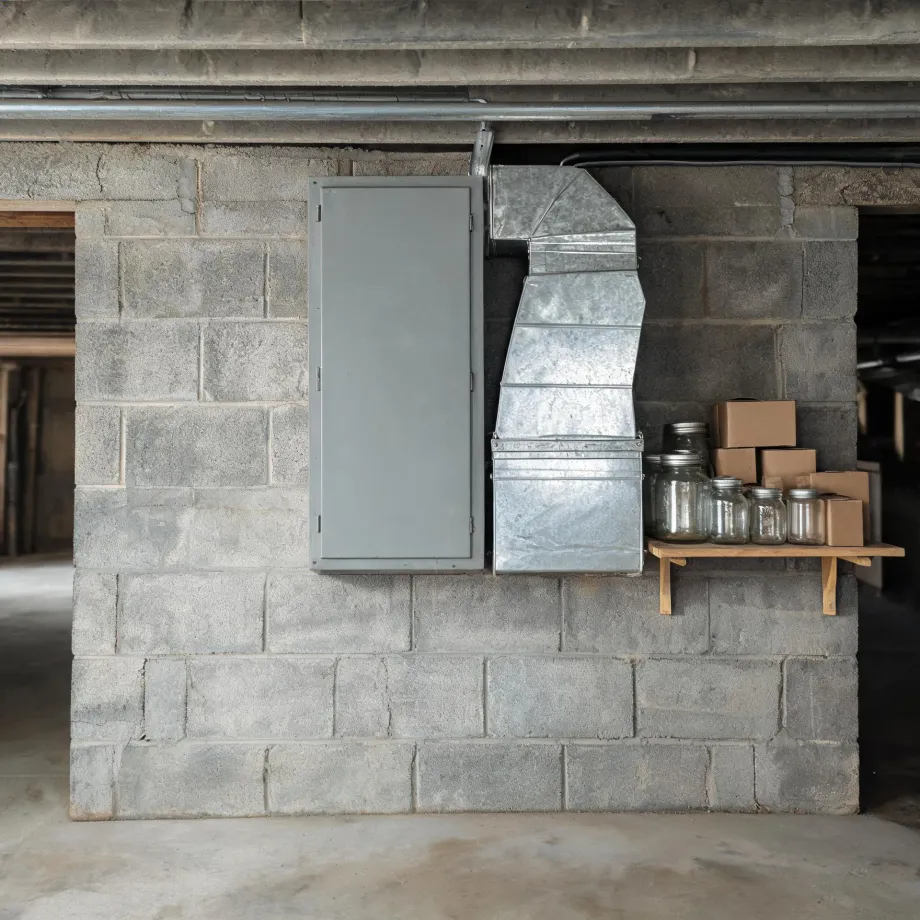
Boilers in Hennepin County's older housing stock outlast the supply chains built for them. Half the homes in Hennepin County, Minnesota were built in 1973 or earlier (2020-2024 ACS 5-year). A contractor who opens a unit from that vintage of stock has to confirm that the parts it requires are still made before the repair scope is settled, because a cracked heat exchanger section or a failed zone valve on a system that age can mean a weeks-long search or a substitution that changes how the job is priced. The equipment may run for years more, or the parts may simply not exist. That answer comes from what is on the shelf, not from what is on the house.
The Parts of a Boiler a Contractor Checks First
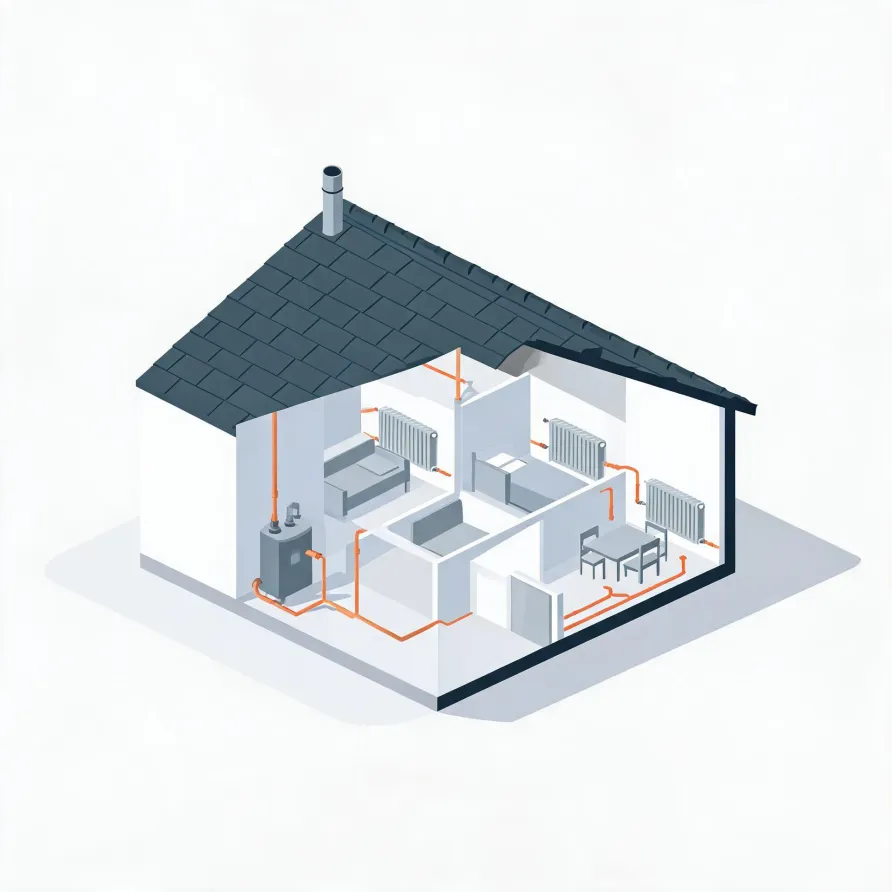
The boiler itself sits in the basement or mechanical room and is the piece a contractor goes to first. It heats water and pushes it through the system. When heat stops reaching rooms, or pressure drops, or the unit cycles on and off without finishing a cycle, the boiler is where the diagnosis starts.
The circulator pump moves heated water out of the boiler and through the pipes to each radiator or baseboard unit around the house. The expansion tank, usually hanging near the boiler, manages pressure as the water heats and expands. The thermostat on the wall is the last piece a contractor checks, since a faulty signal there can mimic a much larger problem.
The drawing shows a typical boiler layout, and a licensed contractor determines which components apply and what condition they are in for your specific home.
Get matched in Hennepin CountyHennepin County, by the numbers
313 severe weather events were recorded in Hennepin County, Minnesota between 2015 and 2024.
NOAA National Centers for Environmental Information, Storm Events Database, bulk CSV export, events 2015-01-01 through 2024-12-31.Half the homes in Hennepin County, Minnesota were built in 1973 or earlier (2020-2024 ACS 5-year).
U.S. Census Bureau, 2020-2024 American Community Survey 5-Year EstimatesHennepin County, Minnesota holds 571,527 housing units (2020-2024 ACS 5-year).
U.S. Census Bureau, 2020-2024 American Community Survey 5-Year EstimatesOwners occupy 62.7% of the occupied homes in Hennepin County, Minnesota (2020-2024 ACS 5-year).
U.S. Census Bureau, 2020-2024 American Community Survey 5-Year EstimatesBoiler Repair Rules on Record for Hennepin County, Minnesota2 codes, standards & licensing rules
Licensing and Legal Requirements in Hennepin County, Minnesota
Minnesota defines a mechanical contractor as a business that installs, repairs or maintains heating, ventilating, cooling or refrigeration systems — the definition that carries the exemption from the residential contractor licence.
Minnesota's residential contractor licence does not reach HVAC work: the licensing section carries its own exemption list, and a mechanical contractor is exempt from the licence requirement by name.
Severe Weather Events in Hennepin County
Minnesota winters put real strain on boiler systems, and the weather a county sees over time shapes how hard that equipment has to work. Repair needs here are tied directly to local conditions, which is why the pattern of recorded weather events matters for anyone keeping a boiler running.
313 severe weather events, 2015–2024. Source: NOAA National Centers for Environmental Information, Storm Events Database.