Tell us about the job
Takes about a minute. No obligation.
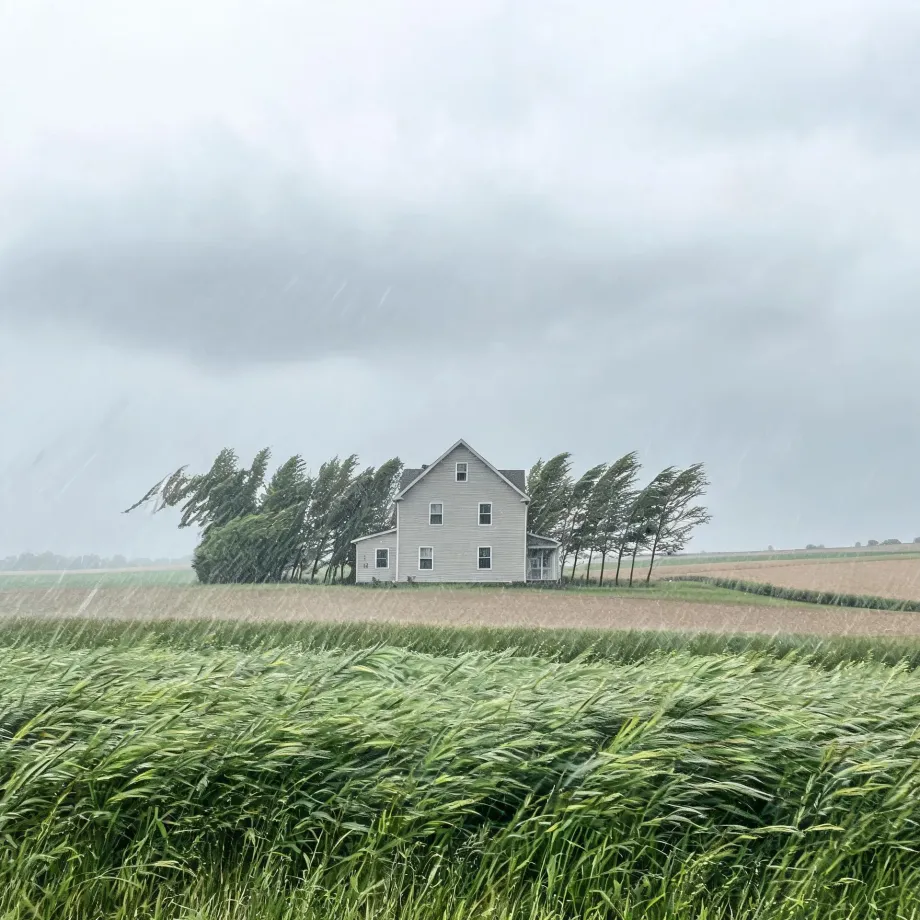
A boiler repair diagnosis in Clay County starts with what the system has been running against, not just what failed yesterday. 199 severe weather events were recorded in Clay County, Minnesota between 2015 and 2024. At that rate, severe weather is a standing condition of operating here, and it shows up in the components that carry the most stress under sustained demand. Heat exchangers, pressure relief valves, and expansion tanks all accumulate wear from repeated strain, and a contractor who skips that history can quote the wrong fix. The part that failed is often downstream of the real problem.
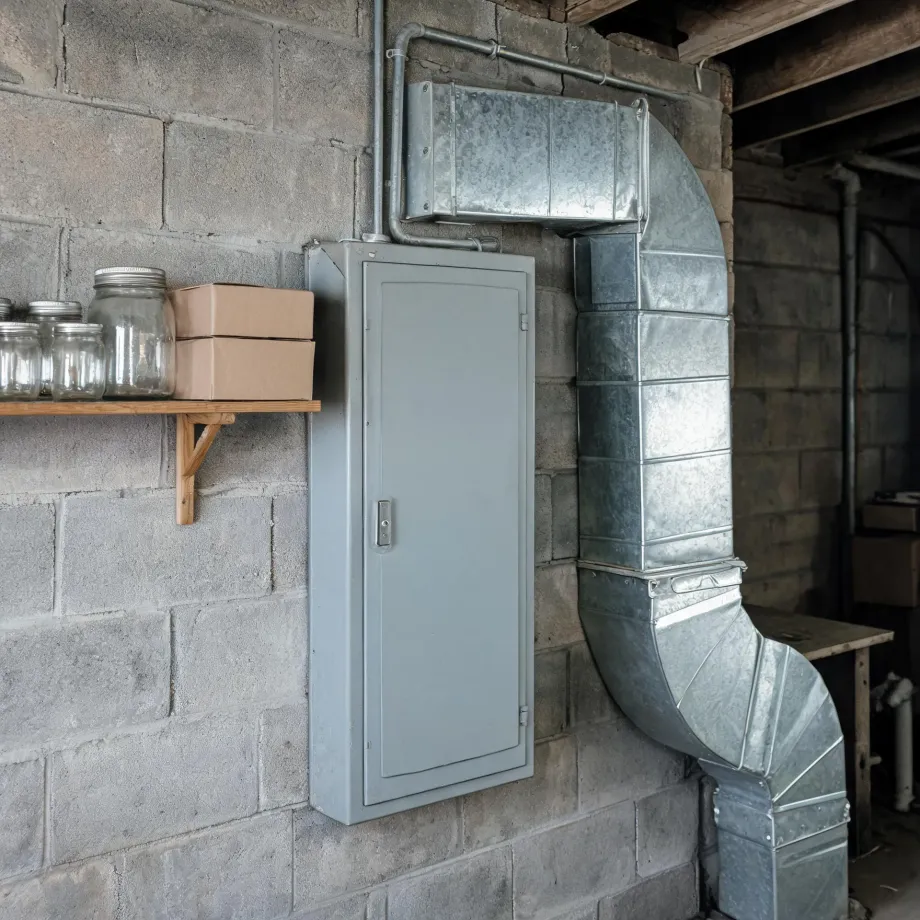
Boilers installed to serve houses built by that era run on parts that manufacturers have had decades to discontinue, supersede, or redesign into incompatibility. Half the homes in Clay County, Minnesota were built in 1981 or earlier (2020-2024 ACS 5-year). A contractor opening a boiler in this county may find that the unit itself is serviceable but that a failed valve, heat exchanger section, or circulator pump now takes sourcing work rather than a catalog lookup. That sourcing outcome shapes the repair scope before any labor estimate makes sense.
The Parts of a Boiler a Contractor Checks First
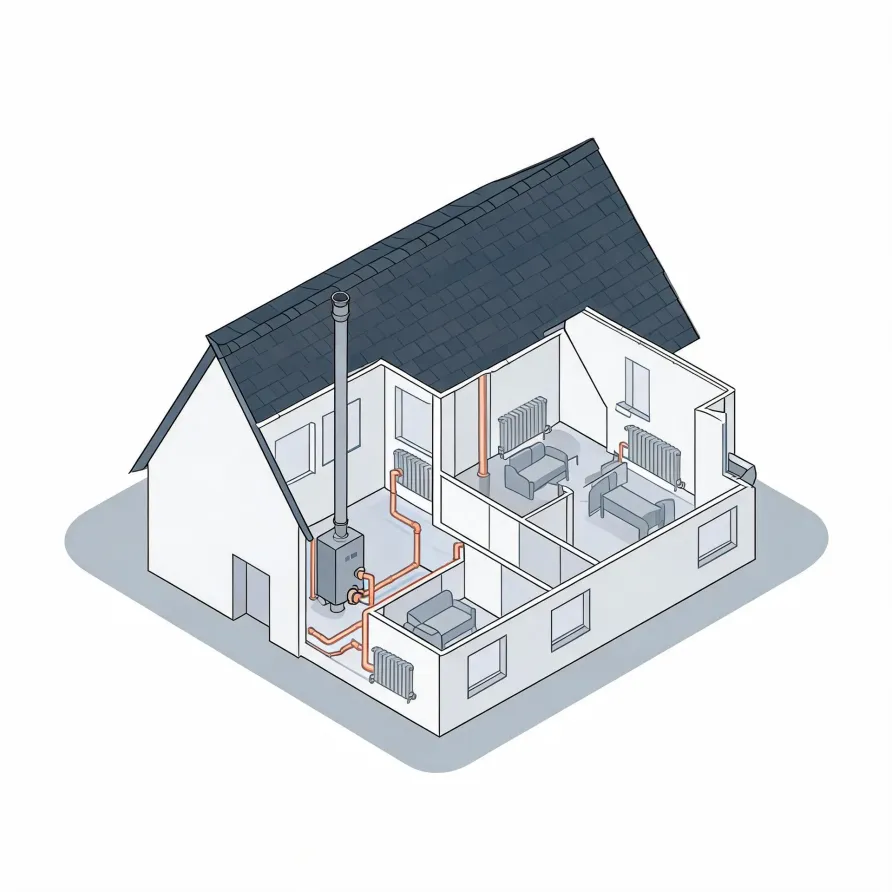
The boiler itself sits in the basement or mechanical room and is where water gets heated and sent through the system. When heat stops reaching a room or stops altogether, the contractor starts here, looking at the burner assembly, the heat exchanger, and the controls that tell the unit when and how hard to fire.
Radiators or baseboard convectors sit in the living spaces and are what the homeowner notices when something is off. Connecting them to the boiler are supply and return pipes, along with circulator pumps that move the heated water and expansion tanks that keep pressure stable. A stuck pump or a failed zone valve shows up in those pipes before it shows up anywhere else.
The drawing shows a typical layout, and a licensed contractor determines which components apply to your specific system and where the problem actually lies.
Get matched in Clay CountyClay County, by the record
199 severe weather events were recorded in Clay County, Minnesota between 2015 and 2024.
NOAA National Centers for Environmental Information, Storm Events Database, bulk CSV export, events 2015-01-01 through 2024-12-31.Half the homes in Clay County, Minnesota were built in 1981 or earlier (2020-2024 ACS 5-year).
U.S. Census Bureau, 2020-2024 American Community Survey 5-Year EstimatesClay County, Minnesota holds 27,559 housing units (2020-2024 ACS 5-year).
U.S. Census Bureau, 2020-2024 American Community Survey 5-Year EstimatesOwners occupy 65.9% of the occupied homes in Clay County, Minnesota (2020-2024 ACS 5-year).
U.S. Census Bureau, 2020-2024 American Community Survey 5-Year EstimatesCodes & Standards Governing Boiler and HVAC Repair in Clay County, Minnesota2 sourced rules and standards
Licensing and Legal Requirements in Clay County, Minnesota
Minnesota defines a mechanical contractor as a business that installs, repairs or maintains heating, ventilating, cooling or refrigeration systems — the definition that carries the exemption from the residential contractor licence.
Minnesota's residential contractor licence does not reach HVAC work: the licensing section carries its own exemption list, and a mechanical contractor is exempt from the licence requirement by name.
Severe Weather Events in Clay County
Boilers work hardest when outdoor conditions swing hard, and the strain those swings put on a system is a local fact, not a general one. What the weather in Clay County demands of heating equipment shapes what repairs come up and how often.
199 severe weather events, 2015–2024. Source: NOAA National Centers for Environmental Information, Storm Events Database.