Tell us about the job
Takes about a minute. No obligation.
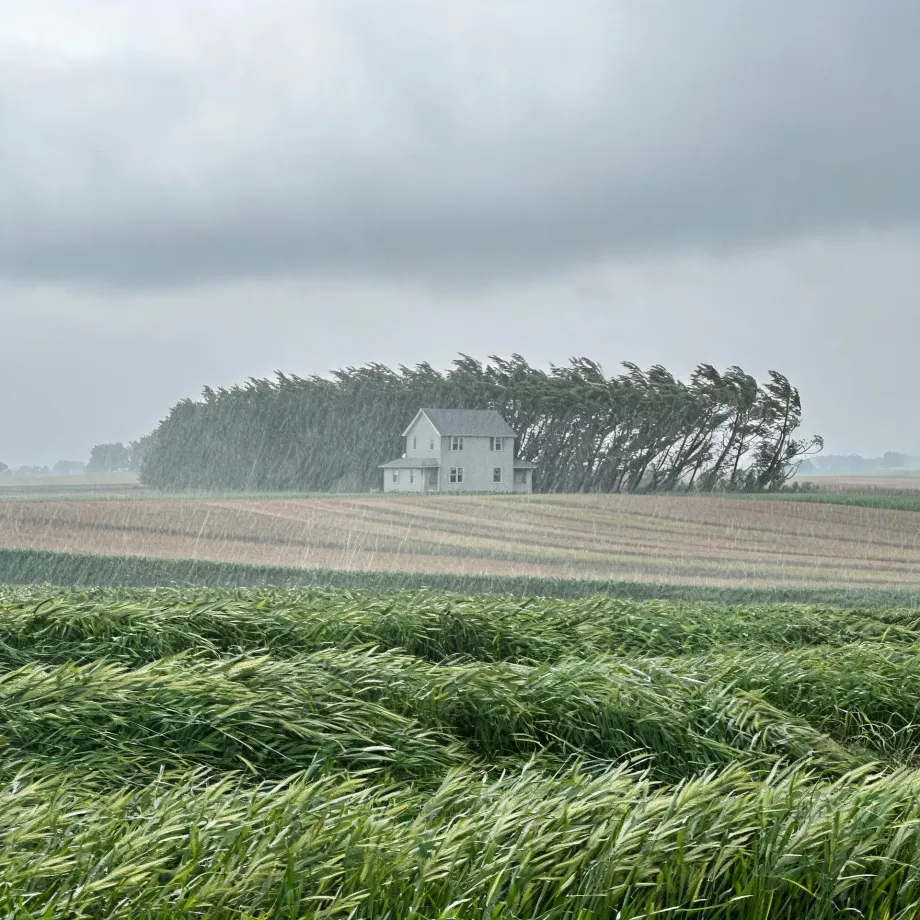
A boiler repair call in Stevens County asks a contractor to sort out what actually failed and why before ordering a single part. 81 severe weather events were recorded in Stevens County, Minnesota between 2015 and 2024. At that rate, severe weather is a genuine part of life for any heating system in this area, but it sits in the middle range of what equipment across the country deals with. A cracked heat exchanger or a seized circulator pump is just as likely to trace back to years of hard use and skipped service as to storm load, and a contractor who assumes one without checking the other will price the job wrong. They look at the condition of the heat exchanger, the pump seals, and the expansion tank before drawing any conclusion.
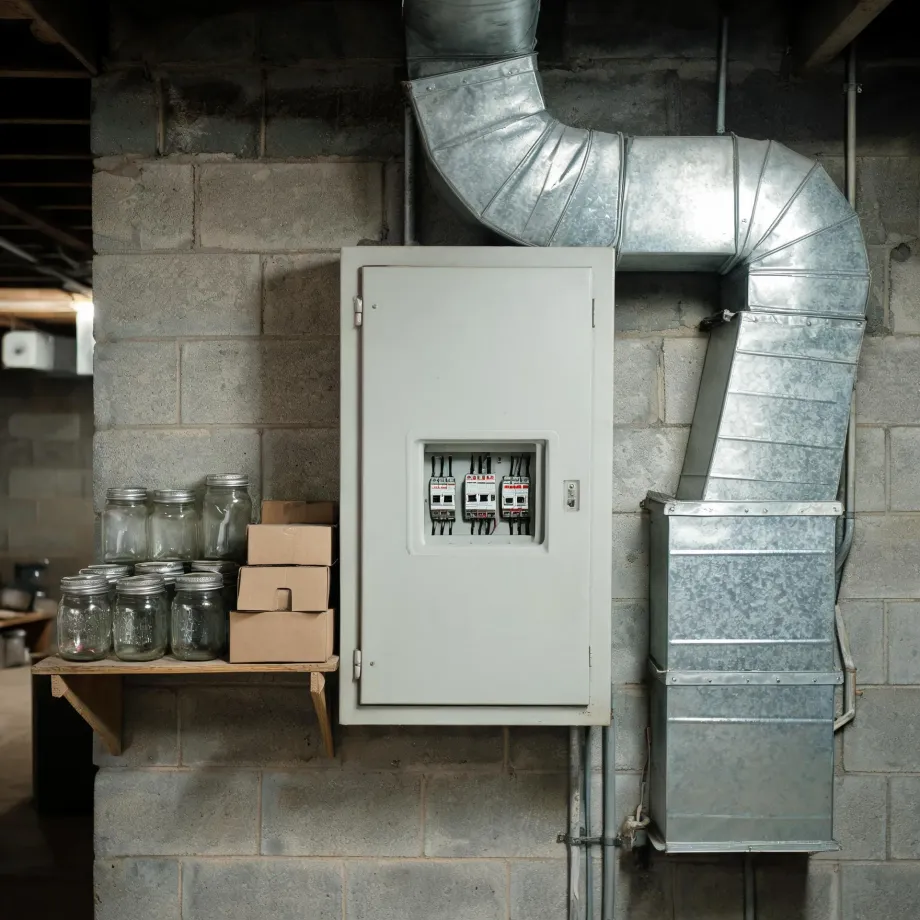
Older boilers accumulate wear in specific components: heat exchangers crack, zone valves seize, circulator pumps fail. Half the homes in Stevens County, Minnesota were built in 1971 or earlier (2020-2024 ACS 5-year). A system installed in a house of that vintage has likely been serviced and modified across multiple decades, and the parts it now takes may come from a manufacturer that no longer makes them, or from a product line that has been discontinued. A contractor opening that equipment has to confirm what the system actually is before a repair scope exists.
The Parts of a Boiler a Contractor Checks First
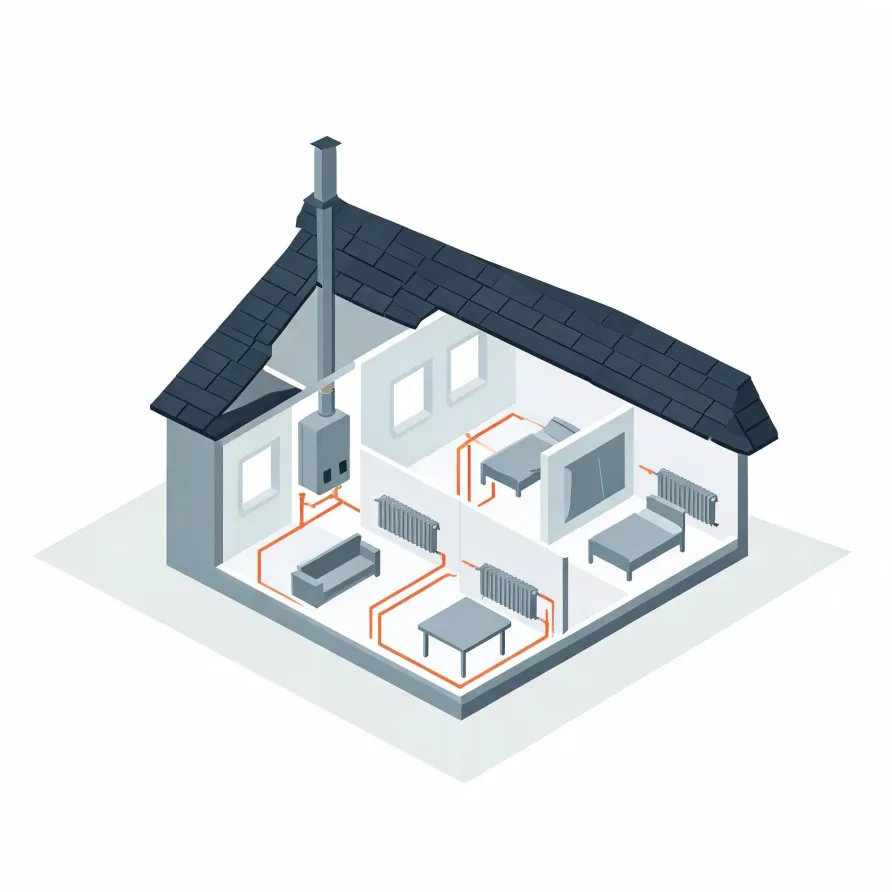
The boiler itself sits in the basement or mechanical room and is the piece a contractor goes to first. It heats water and sends it out through the system. When heat stops reaching the rooms, or the unit cycles oddly, the burner assembly, heat exchanger, or pressure controls inside the boiler are where the diagnosis starts.
From the boiler, supply pipes carry hot water to radiators or baseboard units in each room, and return pipes bring the cooled water back. The circulator pump, mounted on the return line, is what moves the water through that loop. The expansion tank, usually hanging nearby, keeps pressure from building past safe limits.
The drawing shows a typical layout, and a licensed contractor determines which components apply to your specific system and what condition each one is in.
Get matched in Stevens CountyStevens County, by the numbers
81 severe weather events were recorded in Stevens County, Minnesota between 2015 and 2024.
NOAA National Centers for Environmental Information, Storm Events Database, bulk CSV export, events 2015-01-01 through 2024-12-31.Half the homes in Stevens County, Minnesota were built in 1971 or earlier (2020-2024 ACS 5-year).
U.S. Census Bureau, 2020-2024 American Community Survey 5-Year EstimatesStevens County, Minnesota holds 4,182 housing units (2020-2024 ACS 5-year).
U.S. Census Bureau, 2020-2024 American Community Survey 5-Year EstimatesOwners occupy 63.4% of the occupied homes in Stevens County, Minnesota (2020-2024 ACS 5-year).
U.S. Census Bureau, 2020-2024 American Community Survey 5-Year EstimatesBoiler Repair Rules & Standards on Record for Stevens County, Minnesota2 sourced rules and standards
Licensing and Legal Requirements in Stevens County, Minnesota
Minnesota defines a mechanical contractor as a business that installs, repairs or maintains heating, ventilating, cooling or refrigeration systems — the definition that carries the exemption from the residential contractor licence.
Minnesota's residential contractor licence does not reach HVAC work: the licensing section carries its own exemption list, and a mechanical contractor is exempt from the licence requirement by name.
Severe Weather Events in Stevens County
Extreme weather puts real strain on boiler systems, forcing them to cycle harder and more often than steady conditions allow. How much of that strain a boiler in Stevens County absorbs depends on what the local weather actually does, and that record shapes what repair work looks like here.
81 severe weather events, 2015–2024. Source: NOAA National Centers for Environmental Information, Storm Events Database.