Tell us about the job
Takes about a minute. No obligation.
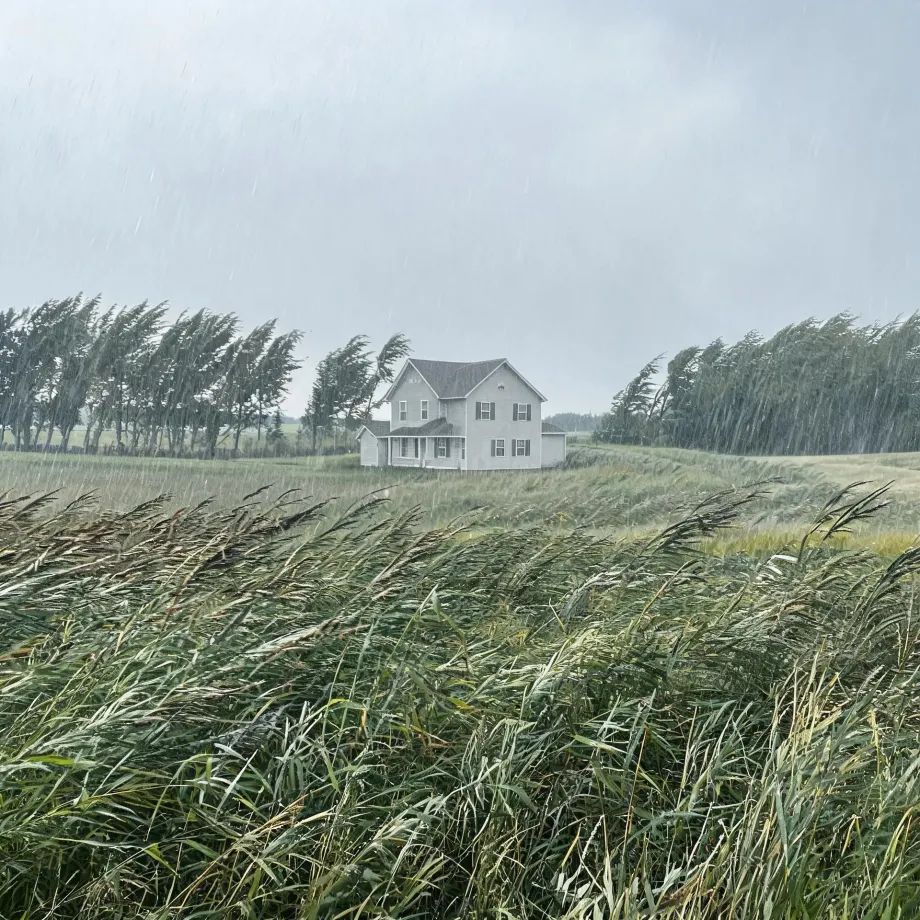
A boiler repair in this area starts with the system itself, not the weather outside. 81 severe weather events were recorded in Steele County, Minnesota between 2015 and 2024. At that rate, severe weather is an event, not a standing condition, and a contractor diagnosing a failed heat exchanger or a seized pump will look first at how old the unit is, whether it has been serviced regularly, and how it was installed. Those three factors account for most of what goes wrong here. Weather load is real but modest, and reaching for it as the explanation for a breakdown in Steele County usually means something closer to home has been missed.
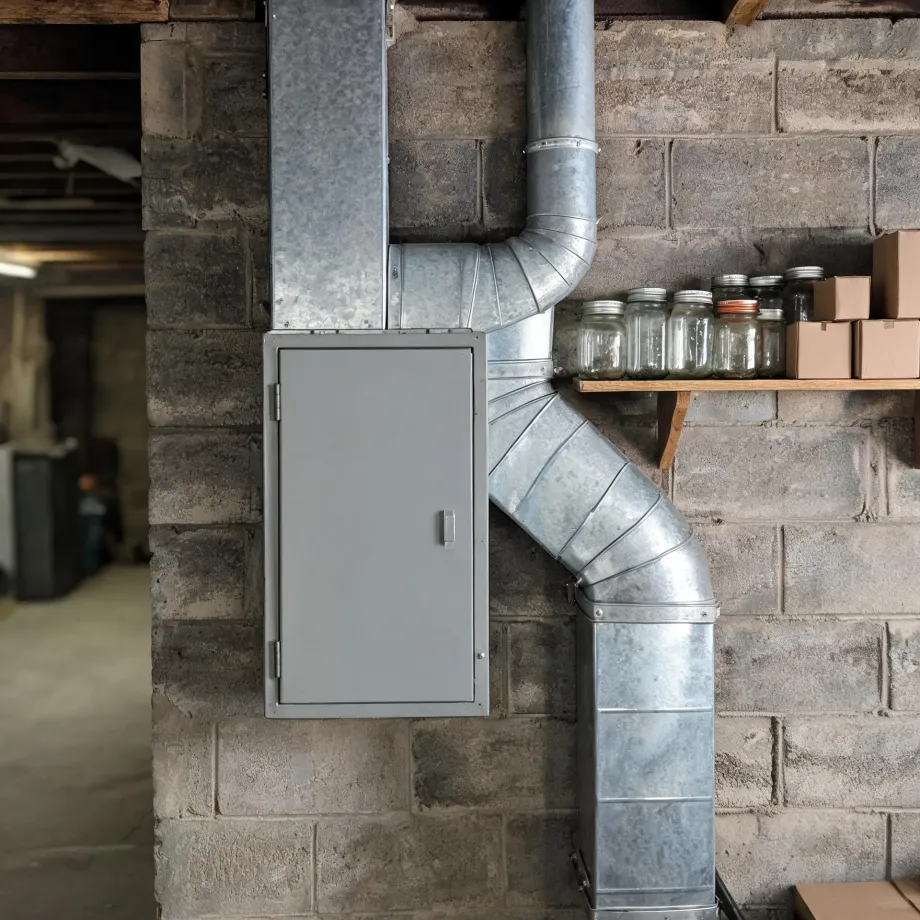
Boilers in housing this old have spent their service life in hard-working Minnesota winters, and the heat exchanger and distribution lines show it. Half the homes in Steele County, Minnesota were built in 1975 or earlier (2020-2024 ACS 5-year). A contractor opening a unit in stock of this vintage routinely finds sediment-fouled sections, corroded fittings, and zone valves that have been cycling since before current parts catalogs existed. Whether a replacement component is still manufactured for that system is what shapes the repair scope, and it is a question the invoice answers differently than the estimate did.
The Parts of a Boiler a Contractor Checks First
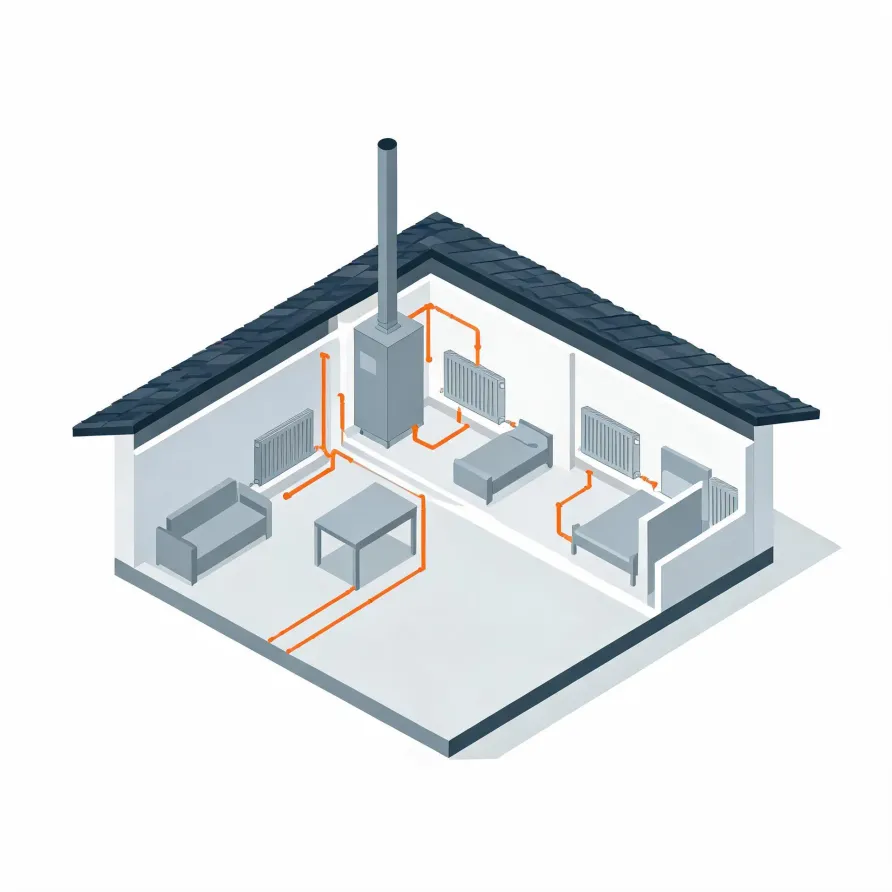
The boiler itself sits in the basement or mechanical room and is the piece a contractor goes to first. It holds and heats water, so when heat stops reaching the house, the burner assembly, heat exchanger, or pressure relief valve inside that unit is usually where the problem lives.
Circulator pumps move the heated water out through the supply pipes and back through the return lines, and a failed pump is a common reason certain rooms go cold while others stay warm. The expansion tank, aquastat, and zone valves each govern a specific part of how water moves and where it goes, and any one of them can be the source of uneven heat, pressure loss, or a system that short-cycles.
The drawing shows a typical boiler layout, and a licensed contractor determines which components apply to your specific system.
Get matched in Steele CountySteele County, by the numbers
81 severe weather events were recorded in Steele County, Minnesota between 2015 and 2024.
NOAA National Centers for Environmental Information, Storm Events Database, bulk CSV export, events 2015-01-01 through 2024-12-31.Half the homes in Steele County, Minnesota were built in 1975 or earlier (2020-2024 ACS 5-year).
U.S. Census Bureau, 2020-2024 American Community Survey 5-Year EstimatesSteele County, Minnesota holds 15,995 housing units (2020-2024 ACS 5-year).
U.S. Census Bureau, 2020-2024 American Community Survey 5-Year EstimatesOwners occupy 79.4% of the occupied homes in Steele County, Minnesota (2020-2024 ACS 5-year).
U.S. Census Bureau, 2020-2024 American Community Survey 5-Year EstimatesCodes & Standards Governing Boiler Repair in Steele County, Minnesota2 sourced rules and standards
What Steele County, Minnesota Requires for This Work
Minnesota defines a mechanical contractor as a business that installs, repairs or maintains heating, ventilating, cooling or refrigeration systems — the definition that carries the exemption from the residential contractor licence.
Minnesota's residential contractor licence does not reach HVAC work: the licensing section carries its own exemption list, and a mechanical contractor is exempt from the licence requirement by name.
Severe Weather Events in Steele County
Extreme weather puts direct stress on boiler systems, from pressure fluctuations during hard freezes to the wear that comes from heating loads driven by prolonged cold. Steele County's climate is part of what determines how hard local boilers work and how often they need attention.
81 severe weather events, 2015–2024. Source: NOAA National Centers for Environmental Information, Storm Events Database.