Profile view of a bearded man wearing a black baseball cap and a dark gray T-shirt against a plain light background.

How long a boiler lasts in Minnesota

Step 1 of 3: Equipment

A boiler in Minnesota lasts about 15 to 20 years. Most homes here heat with gas, and a gas boiler runs through a long stretch of cold months every year, often six or more, which puts far more hours on the heat exchanger and the circulator pump than homes in milder states ever see. That steady use wears the same parts down over time: the heat exchanger can crack, the circulator pump can fail, and corrosion builds up inside from years of heating and cooling water. Most boilers make it to that 15 to 20 year range before one of those parts gives out for good rather than being worth another repair. If yours is getting close to 15 years, it is worth having someone look at it before the cold months make a failure an emergency instead of a planned job.

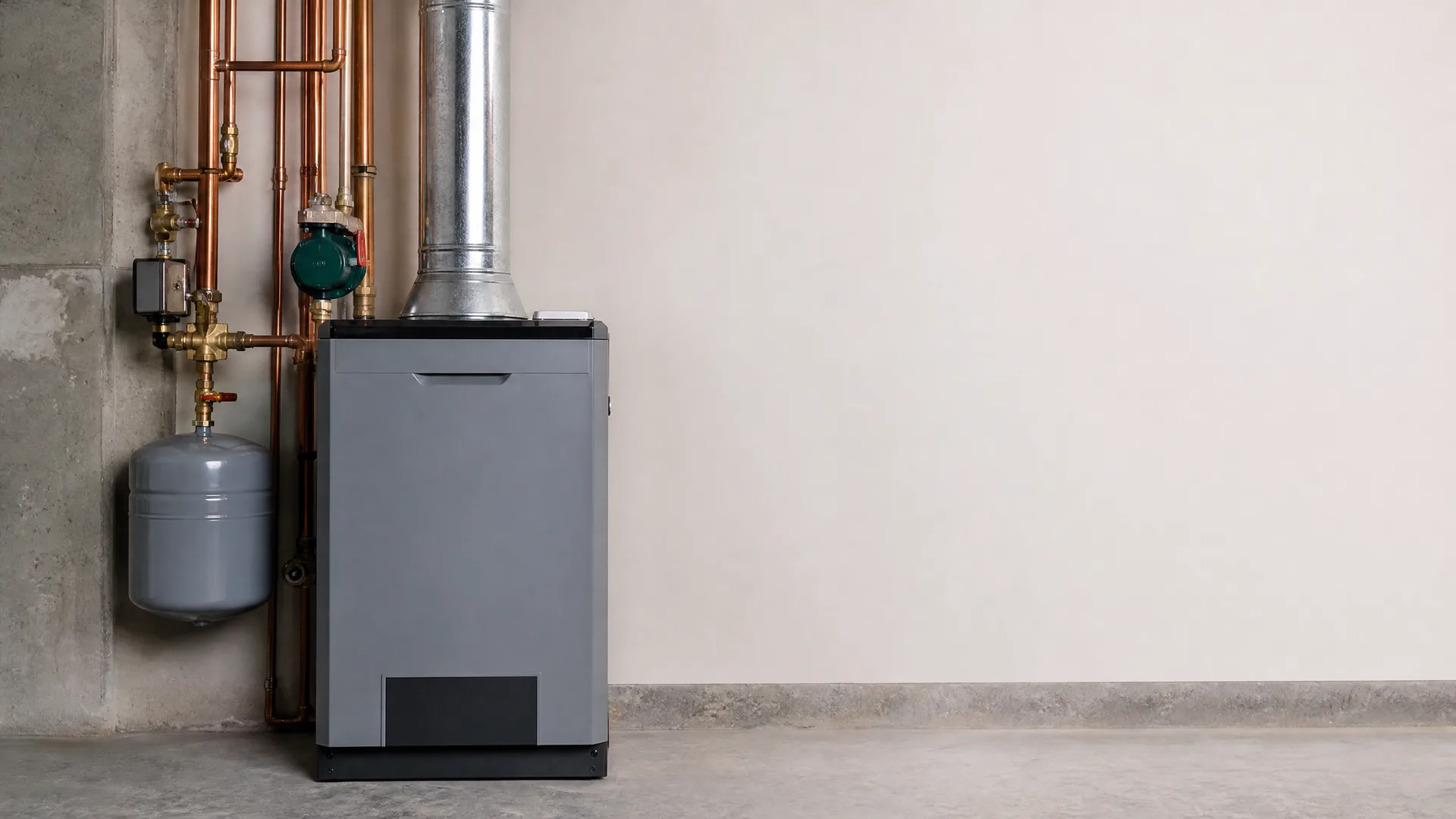
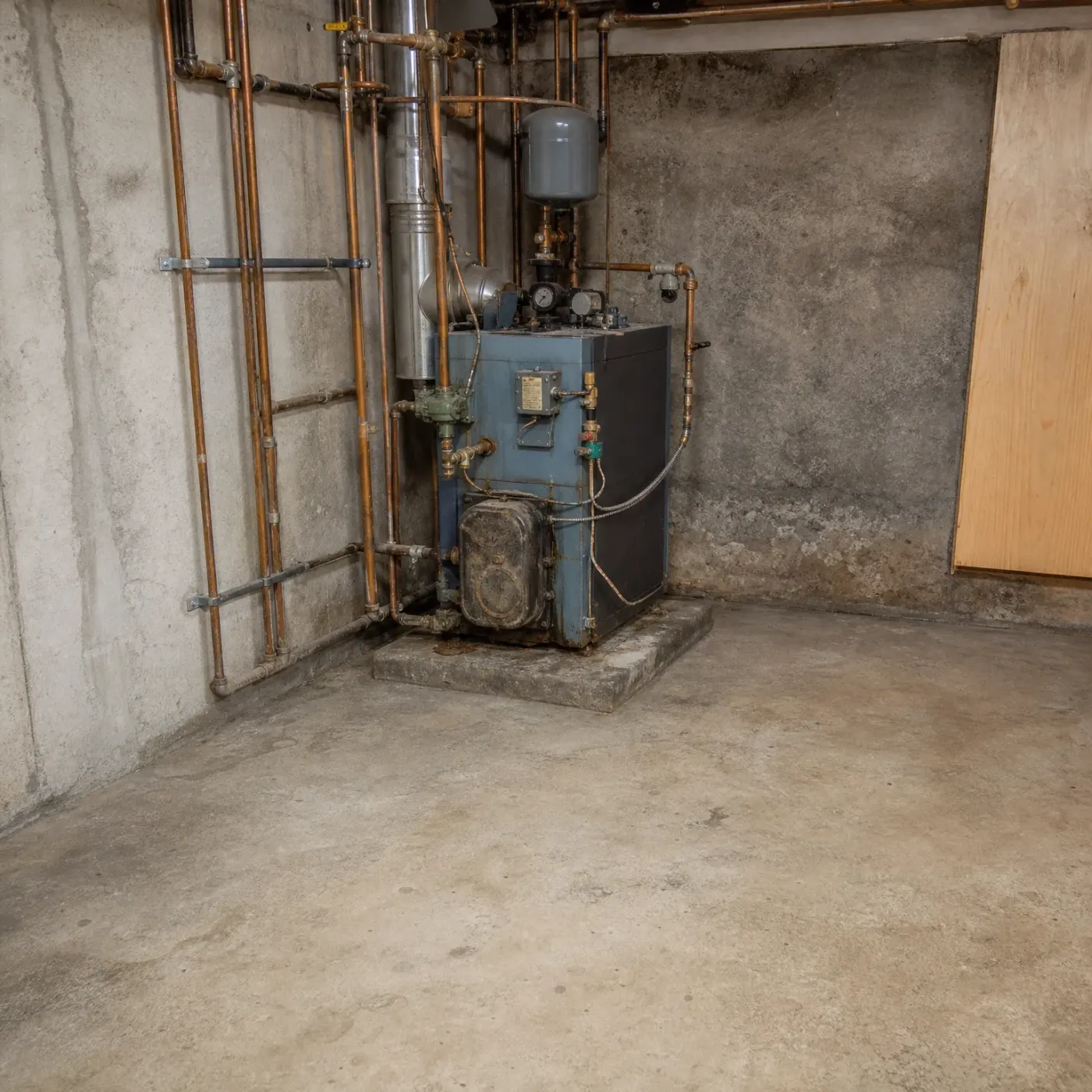
A blue boiler on a raised concrete pad in a basement corner, with copper and steel pipes, a gauge cluster, an expansion tank, and a metal flue running up the bare concrete walls.
Before you get your boiler installation
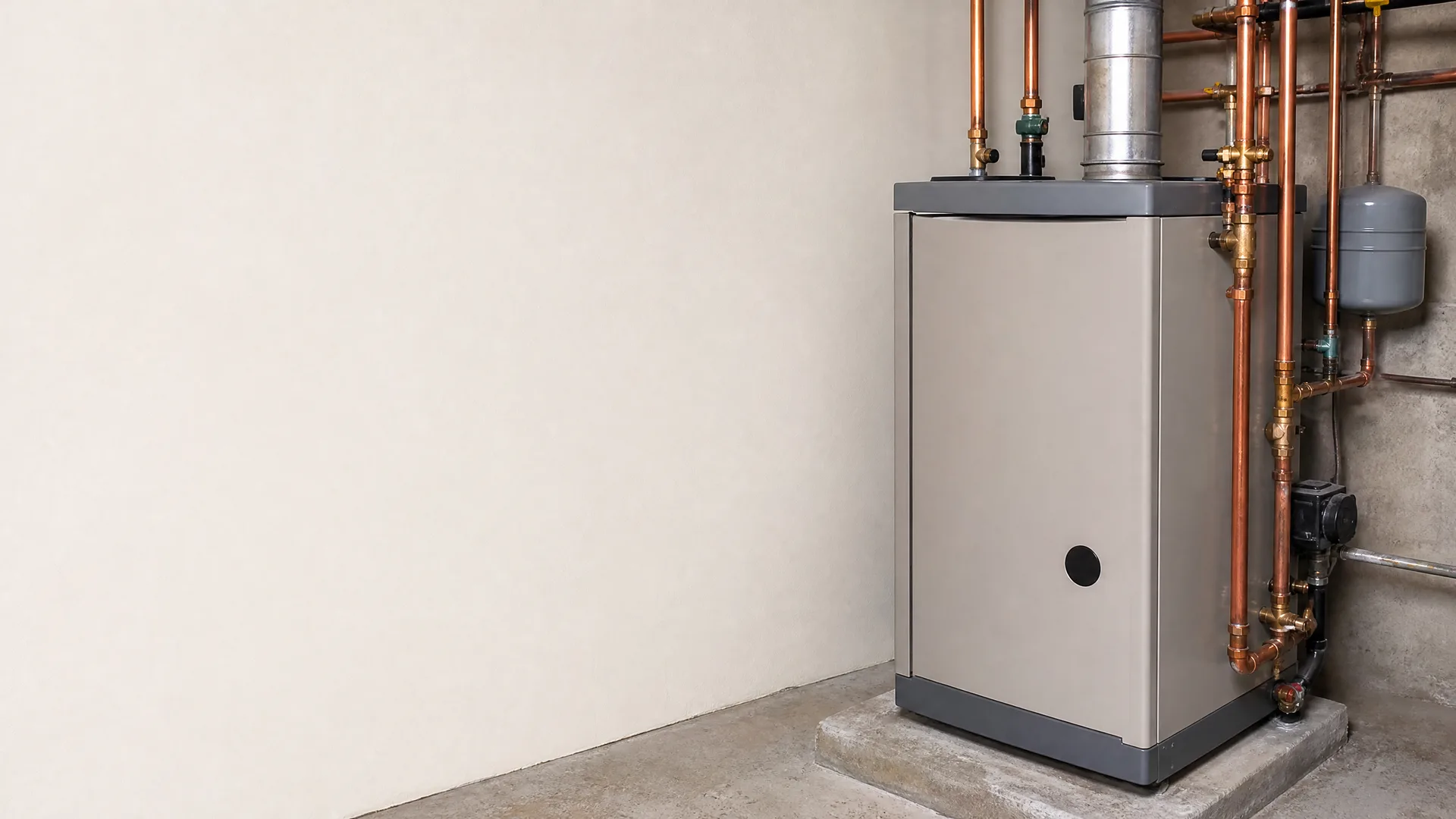
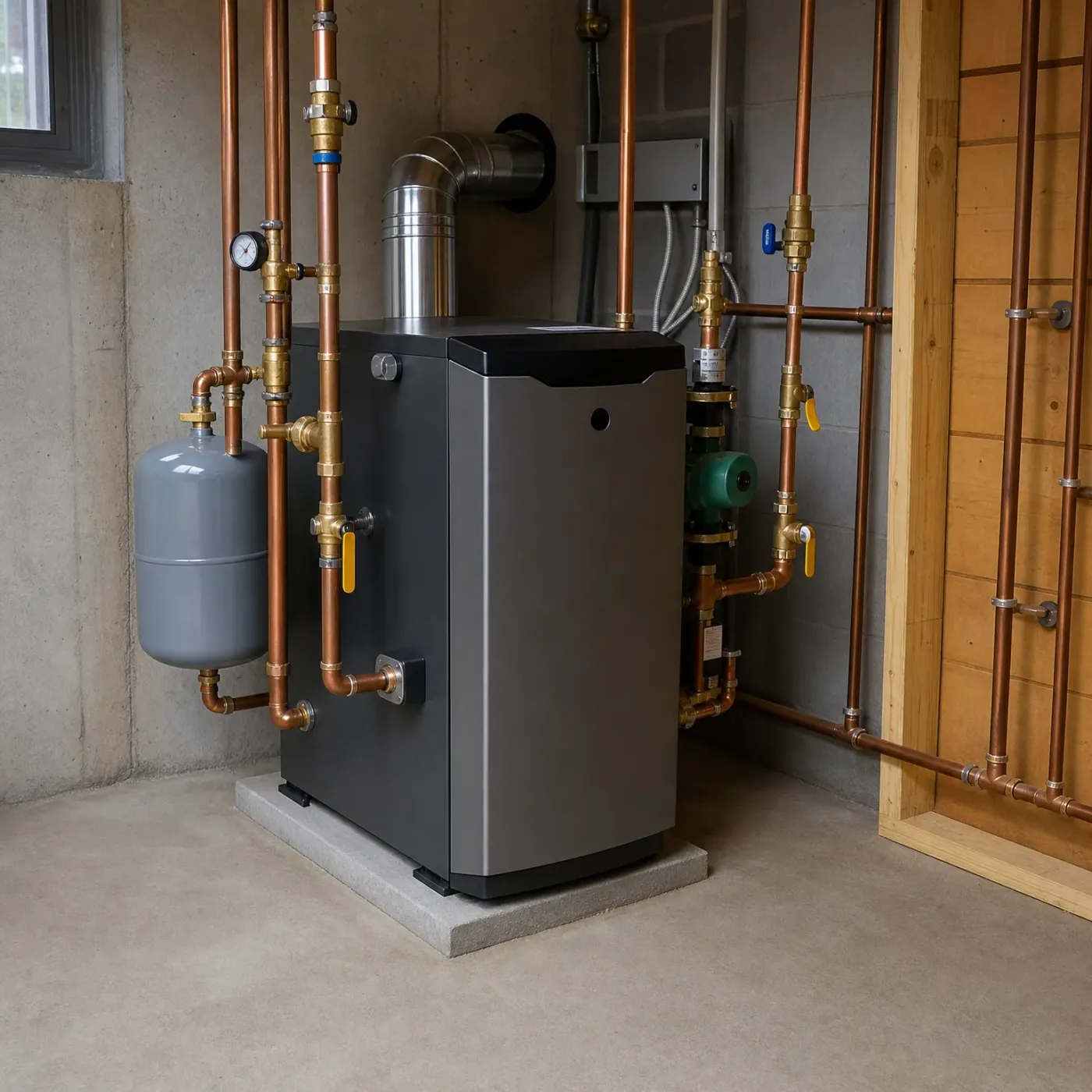
A dark gray floor-standing boiler on a concrete pad in a basement, surrounded by copper piping, brass valves, a gray expansion tank, a circulator pump, and a metal flue pipe against concrete block walls.
After you get your boiler installation
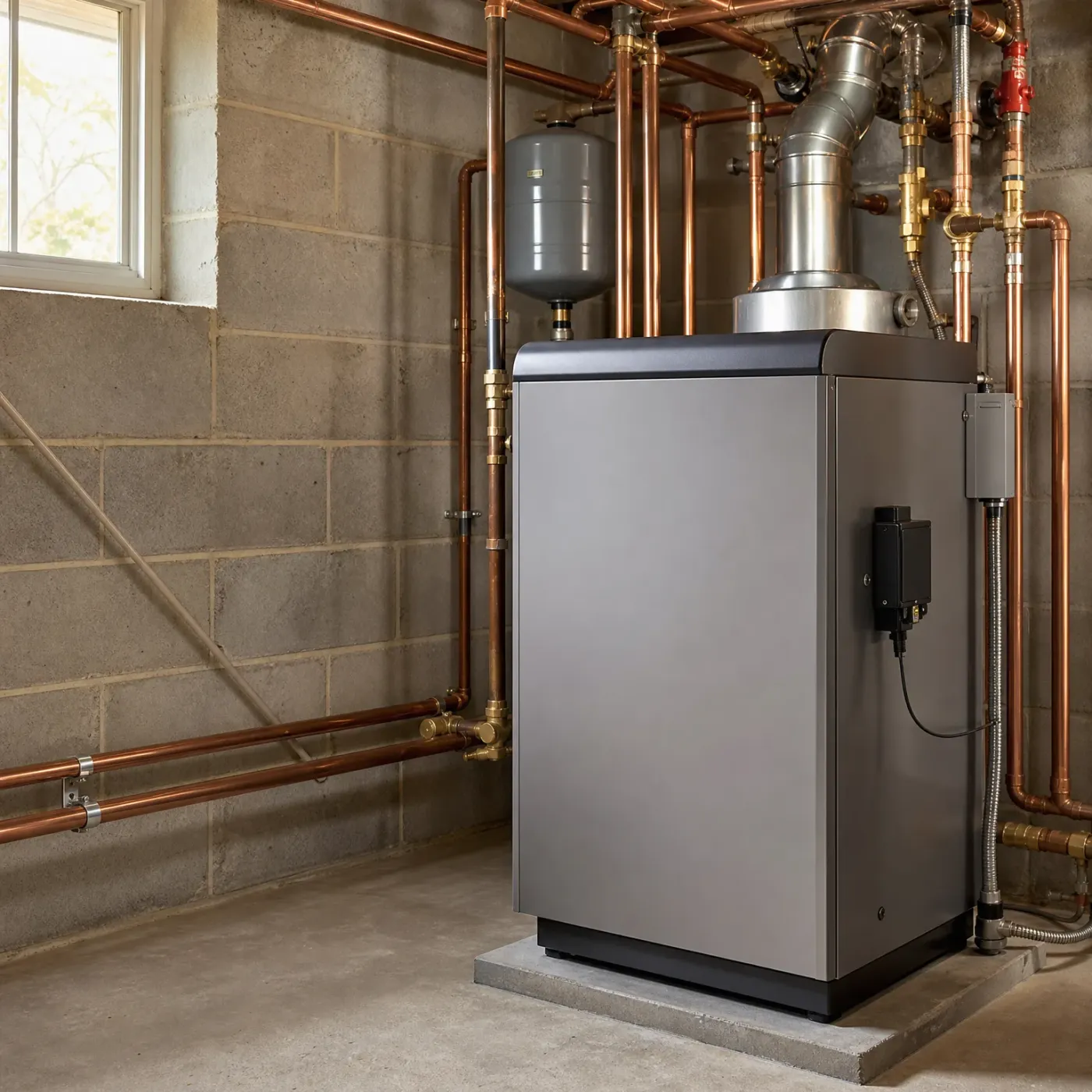
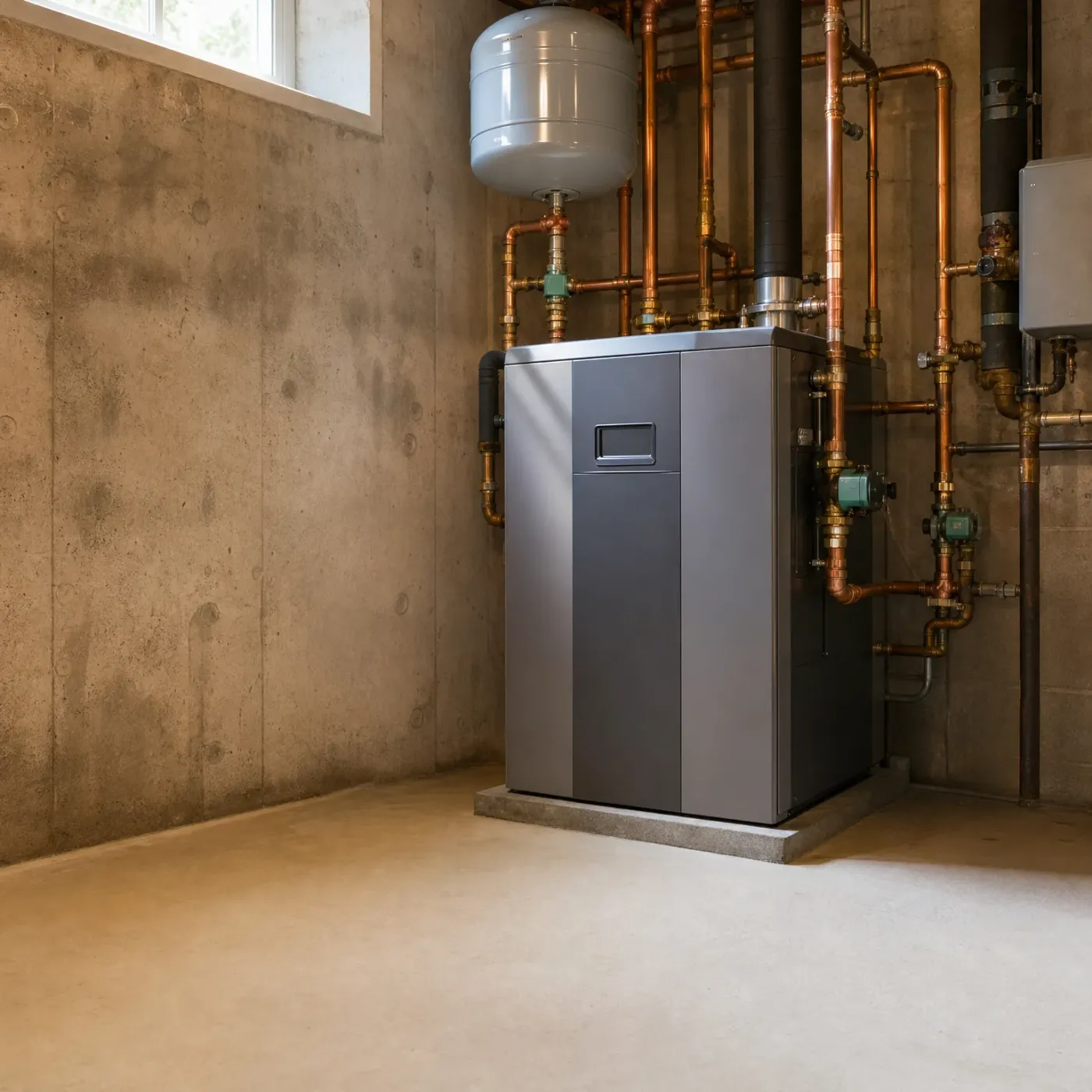
A gray boiler unit on a concrete pad in a basement corner, connected to copper piping, circulator pumps, and a ceiling-mounted expansion tank against bare concrete walls.

Running clean

The pump hums steady, the gauge holds mid-range, and the near boiler piping stays dry with no rust streaks on the fittings. Hot water moves through the loop without the burner short cycling. A boiler like this gets through a Minnesota winter without drama, and it does the same next winter.
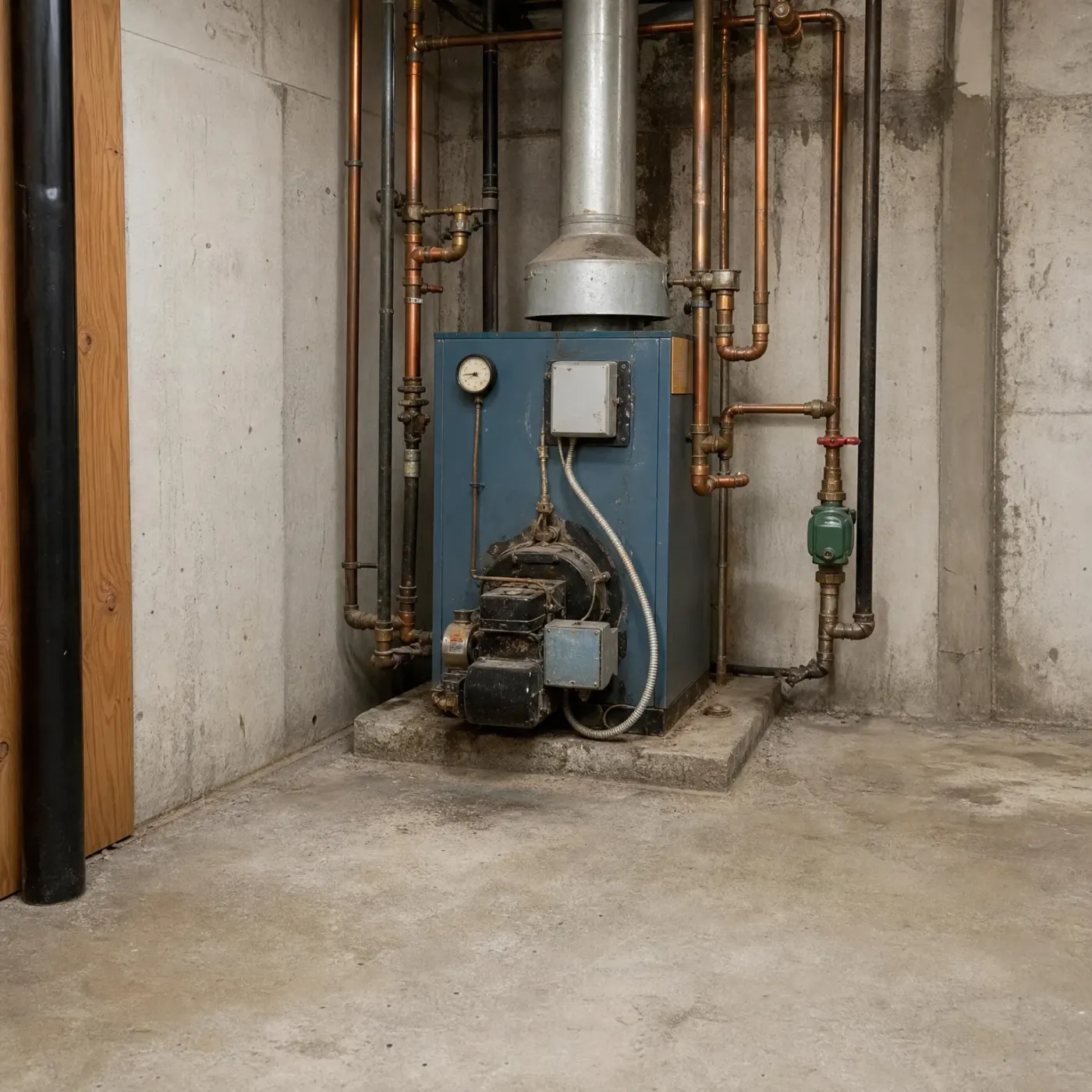

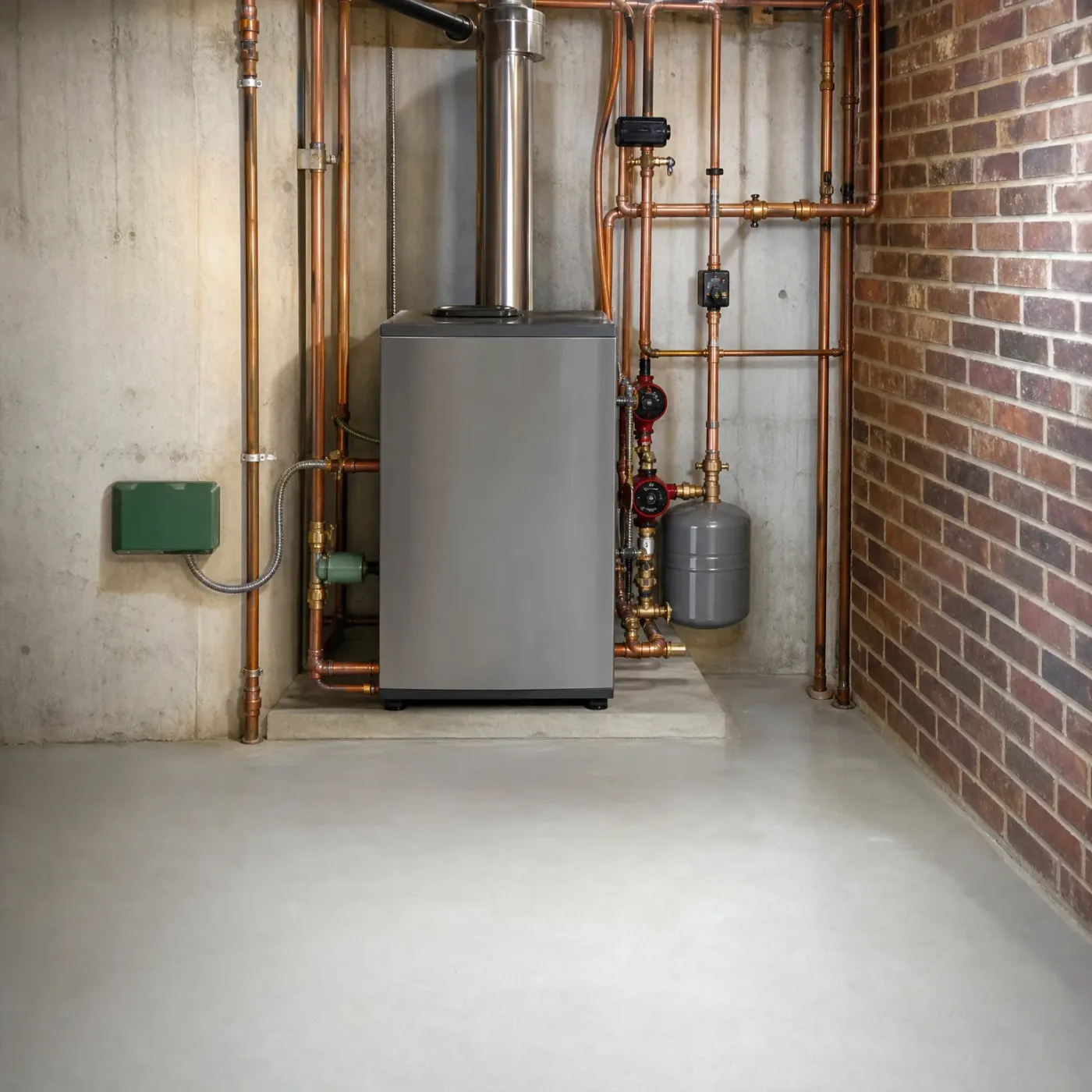
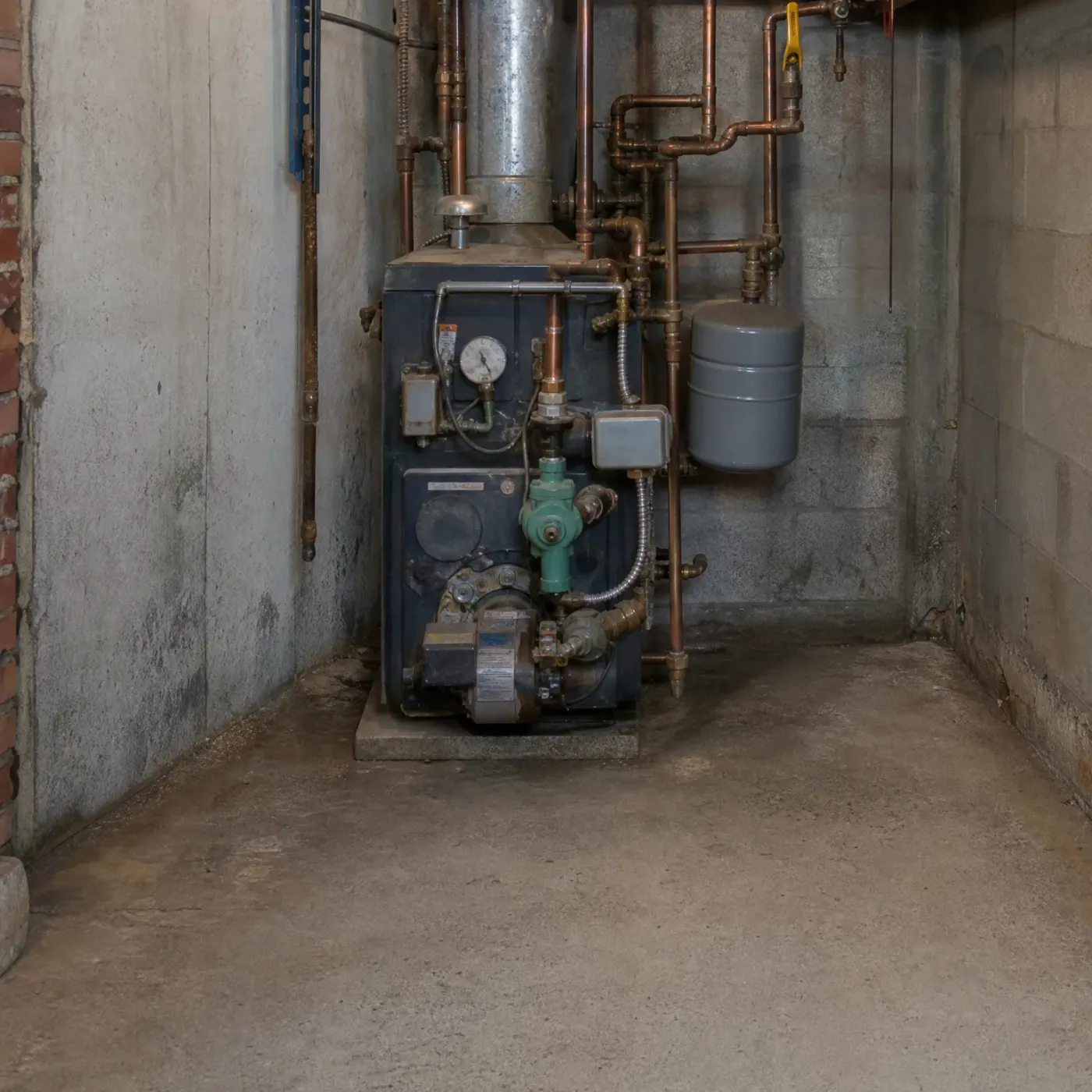
A blue oil-fired boiler with a pressure gauge, burner unit and metal flue sits on a concrete pad in a basement corner, surrounded by copper and black pipes against bare concrete walls.

Showing its age

The pressure gauge creeps up or won't hold, and the burner kicks on more than it used to just to keep rooms warm. Rust shows at the joints, and the flue duct shows scorch marks near the base. Past 15 years, this is what a boiler looks like before it quits on a cold night.

A woman with long gray hair wrapped in a checked blanket sits on a sofa by a window with yellow autumn foliage outside, with a lamp, framed picture and plant in the background.
An older woman in a cream knit sweater sits on a sofa by a window, looking out at sunlit trees with yellow and orange autumn leaves, with a bookshelf and lamp behind her.
A woman with gray shoulder-length hair in a dark knit sweater sits on a cushioned seat by a window, looking out at yellow autumn foliage, with a living room, armchair, houseplant and framed picture behind her.
An older woman with gray hair in a bun, wearing a cream knit sweater, sits on a sofa with a gray blanket and looks out a large window toward yellow-green autumn trees, with a lit table lamp and dark armchair behind her.

A boiler built to last 15 to 20 years still depends on its own weakest part. The circulator pump and the heat exchanger wear fastest, since those carry the long run hours through a Minnesota winter.

When one of those fails early, the boiler rarely makes it to 20. Replacing the part on schedule, before it quits in January, is what gets the rest of the system to its full age.

Winter nights average 8°F statewide

At 8 below overnight, your boiler is firing for hours at a stretch, not short bursts. That steady load is what wears the heat exchanger and the circulator pump down over the years, more than the thermostat setting ever will.

NOAA nClimDiv 1991-2020 county normals weighted by homes

A gray floor-standing boiler with a metal flue pipe, copper piping, a circulator pump and a gray expansion tank, installed against a concrete wall.

What an aging boiler costs you

A boiler past 15 years asks for more gas to hold the same room temperature, since a worn heat exchanger transfers heat less efficiently than it did new. You will likely see that on the bill before you see any leak or noise. A circulator pump working harder than it should also draws more power, though power costs here run typical for the region. The boiler still heats the house. It just takes more to do it.

A tall grey floor-standing boiler on a concrete plinth in a corner of a room, with copper pipework, a flue, a circulator pump and an expansion vessel to its right, beside a plain cream wall.

What a failure in January risks

If the heat exchanger or circulator pump gives out during a stretch at 8 below, you are not choosing a replacement on your own schedule. Pipes in an unheated house can freeze within a day in weather like that, and a boiler down for parts or scheduling turns a repair into a scramble. Planning the install before the equipment forces the issue means picking the unit and the timing, not taking whatever is available that week.

Why does your boiler sound different than it used to

You might hear a kettle noise from the boiler before it kicks on, or a bang in the near boiler piping as the metal heats up. The burner might cycle on and off more than it used to instead of holding a steady flame. You might notice the pilot or igniter taking a couple of tries to catch. A room that used to heat evenly now has a cold corner, or the thermostat runs longer to hit the same setting. None of this means the boiler quits tomorrow. It means the parts inside are wearing the way they do after 15 or more winters here, and a cold snap is when a tired boiler is most likely to fail, not during a mild stretch.

  1. The thermostat calls and the burner ignites to heat water

  2. The heat exchanger passes that heat into the water loop

  3. The circulator pump pushes hot water out through the piping

  4. Water gives up its heat through radiators or baseboard

A woman in a cream knit sweater sits in an armchair with her eyes closed and a slight smile, beside an open window showing orange autumn foliage, with a mug, books and a lit candle on a small side table.
An older man with gray hair and a beard leans back on a beige sofa with his eyes closed, in a sunlit room with potted plants, a wicker chair and large windows behind him.
A gray floor-standing boiler on a concrete pad in a basement with concrete block walls, connected to copper piping, a flue vent, and an expansion tank.

The right pro for this job

One installer gets your project, so there's no bidding war over it.

Get in touch with a local installer about a new boiler.

Find a licensed pro

You only hire the pro if you want to.

Why does my boiler take so long to heat the house now?

You turn the thermostat up and wait. The radiators warm, but the house takes a lot longer to feel right than it used to, especially on the coldest days. You are not changing the setting any differently than last winter, so something in the system itself has slowed down.

A worn heat exchanger is moving less heat into the water with every cycle

Scale and soot build up on the heat exchanger over the years, and that layer gets between the flame and the water. The burner still fires the same as always, but less of that heat actually makes it into the loop. So the water comes out cooler than it should, the circulator pushes it through the radiators anyway, and the room takes longer to catch up. On a night at 8 below in Minnesota, that gap shows up fast, since the boiler is already running close to its limit just to keep pace. A boiler doing this is usually well past 15 years old, and the lag tends to get worse each winter rather than staying the same.

A gray boiler on a concrete pad in a basement, connected to copper piping, valves, pumps and a gray expansion tank, with a concrete wall on the left and a brick wall on the right.
A boiler like this holds pressure steady and keeps every fitting dry through a full Minnesota winter.
A dark cast-iron boiler with copper piping, pressure gauge, and a gray expansion tank sits on a concrete pad in a basement corner with concrete block and brick walls.
Rust at the fittings and a gauge that won't hold steady mean the boiler is working harder to keep up.

Where Your Boiler Stands Now

  • A Minnesota boiler that gets regular attention to the circulator pump and heat exchanger generally reaches 15 to 20 years.
  • A rising gas bill, kettle noise, or a gauge that won't hold steady are signs worth having a contractor look at before the coldest months.
  • A licensed local contractor who works on boilers every winter knows which parts fail first in this climate and what to check.
  • Matching with one contractor means a single call back, not a string of competing bids to sort through.
  • The boiler's age against your winter heating bills tells you more about its condition than any single noise or leak does.
  • Catching a worn part early keeps a Minnesota winter from turning a small repair into a full replacement.

Fifteen to twenty years is the range for a boiler here, and where yours falls in that range comes down to how the circulator pump and heat exchanger have held up through the winters behind it. Those two parts carry the long hours a Minnesota cold stretch demands, and they wear before anything else on the unit does. A gauge that won't hold steady, a kettle noise before the burner kicks on, a gas bill that's crept up without a clear reason: any one of those is worth a look before the coldest months arrive, not after.

A contractor who services boilers through a Minnesota winter every year has seen what fails first in this climate and on this kind of equipment, which matters more than general boiler knowledge would. That's who you get matched with, one licensed local contractor, not a handful of companies all calling about the same job. You hear back from the one contractor who's suited to it, and that's the end of the sorting.

None of this is about reading one noise or one leak as the verdict. It's the pattern across a season, weighed against the boiler's age, that tells you whether you're looking at a repair or something bigger. Catch the worn part while it's still a small job and the boiler keeps running the winters it has left. Wait past that point and a Minnesota cold snap tends to make the decision for you.

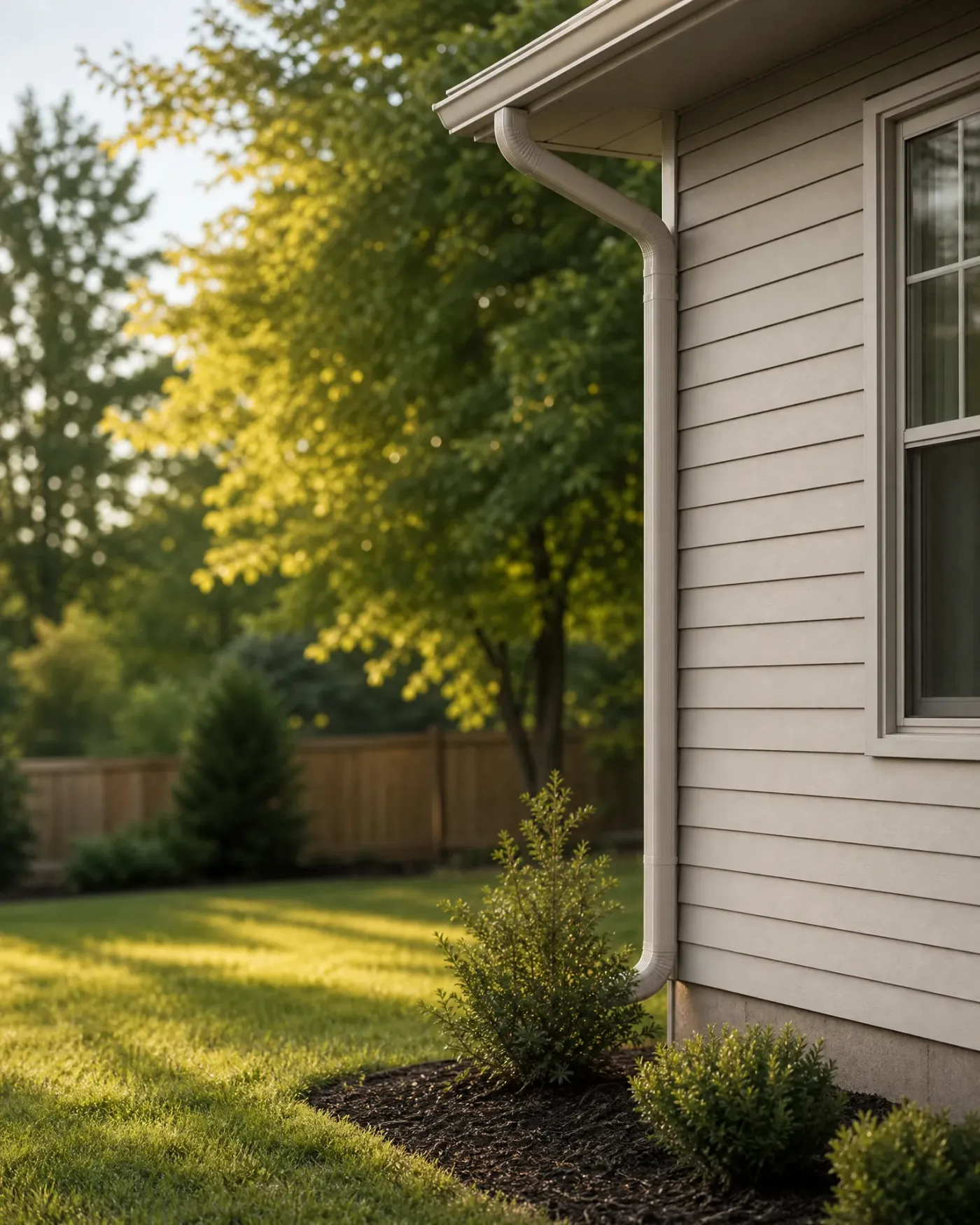
Corner of a house with light horizontal lap siding, a white gutter and downspout, and a window, beside a mulched bed with small shrubs, a lawn, wooden fence and trees in the background.
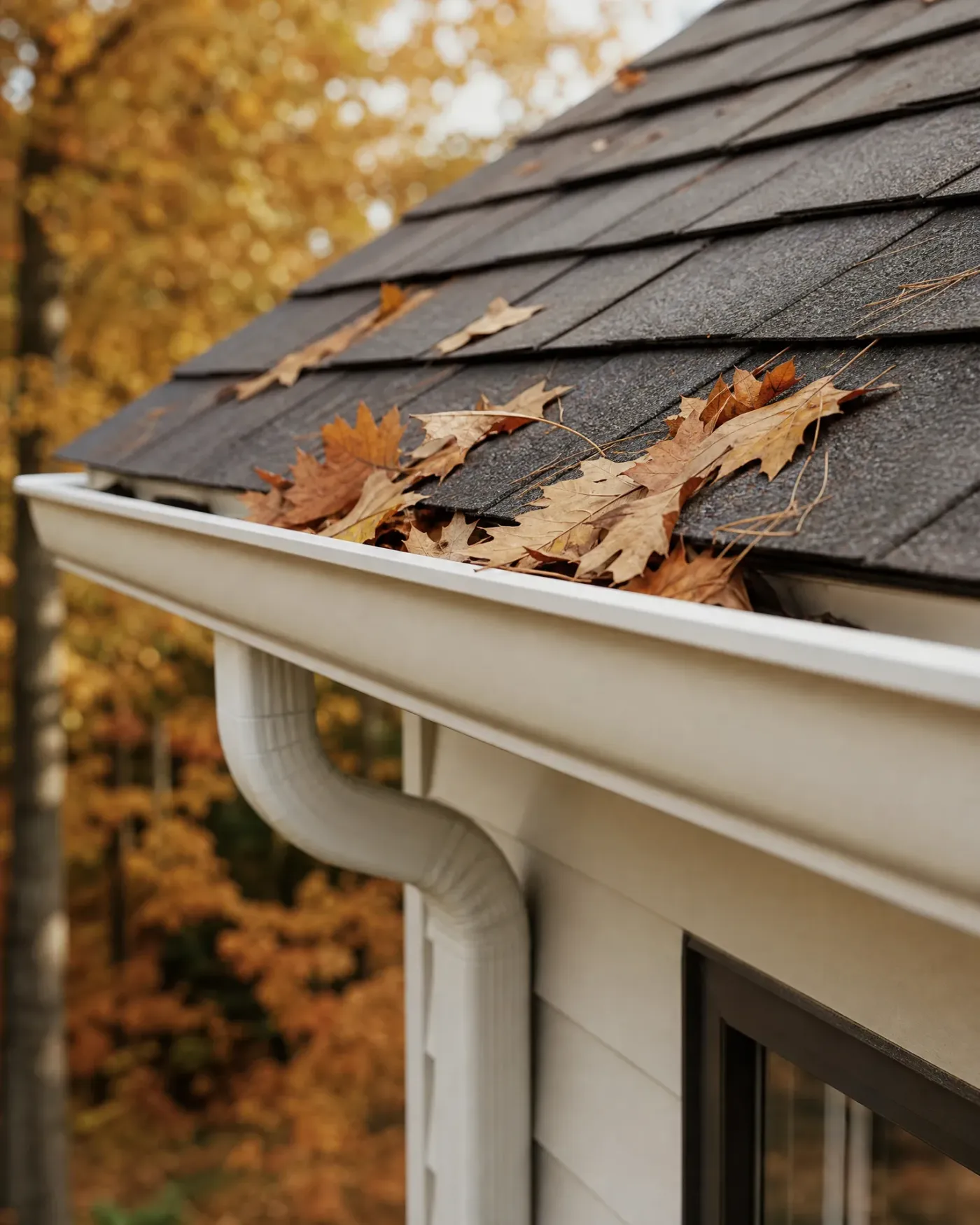
Close-up of a white gutter along an asphalt-shingle roof edge with dry brown leaves collected in it, a downspout and lap siding below, and blurred autumn trees in the background.
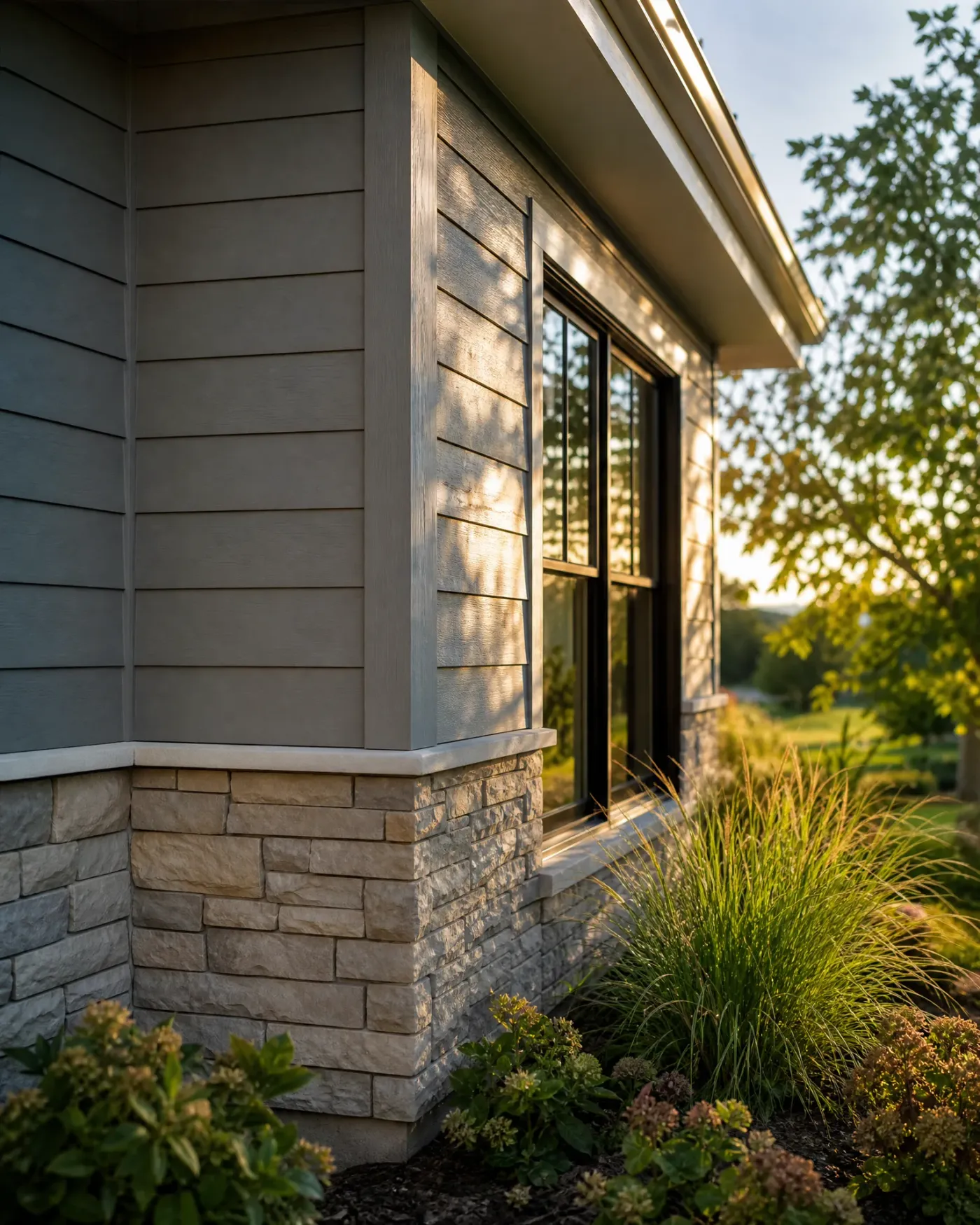
Exterior corner of a house with horizontal lap siding above a stone veneer base and a dark-framed window, with ornamental grasses and shrubs in the foreground and trees in low sunlight behind.
A white horizontal-siding house with a steep gray shingled gable roof, fronted by trimmed shrubs, a brick walkway, and a lawn scattered with fallen autumn leaves.
Corner of a house with cream horizontal lap siding, a black-framed window, asphalt shingle roof with dark fascia, white hydrangea blooms and green shrubs below, and a leafy tree and wood fence to the right.

Matched to your boiler job

Your request goes to one pro, not a list of companies.

Find a local pro

Asking costs nothing, and the choice to hire stays yours.