20 to 30 psi
That's the pressure range most residential boilers need to run right. A reading outside it is something a contractor can catch and correct during a tune-up, before the cold sets in.
A local pro for your boiler maintenance
A boiler tune-up before winter means someone checks the burner, the ignition, the pressure and the controls while it still only takes a visit, not an emergency call. This page walks through what's usually included and what a Minnesota winter asks of a boiler. Answer a few questions and a contractor who handles this work will reach out to you.
Get matchedA boiler tune-up means a contractor goes through the system piece by piece before cold weather settles in. That includes checking the burner for clean, steady ignition, testing the pressure and temperature controls, bleeding air from the lines, checking the expansion tank, and looking at the flue to make sure exhaust is venting the way it should. Minnesota winters run long, often into April, and a boiler that starts the season with a weak burner or a bad seal will run that way for months, not days. Combustion gets checked closely because a boiler burning gas poorly wastes it the whole time it runs. None of this requires the system to be broken first. Most of what gets found in a tune-up is a part drifting out of adjustment, not a failure. Catching that in October means it gets fixed on a technician's schedule, not at 11pm in January when the house is cold and the options are fewer.
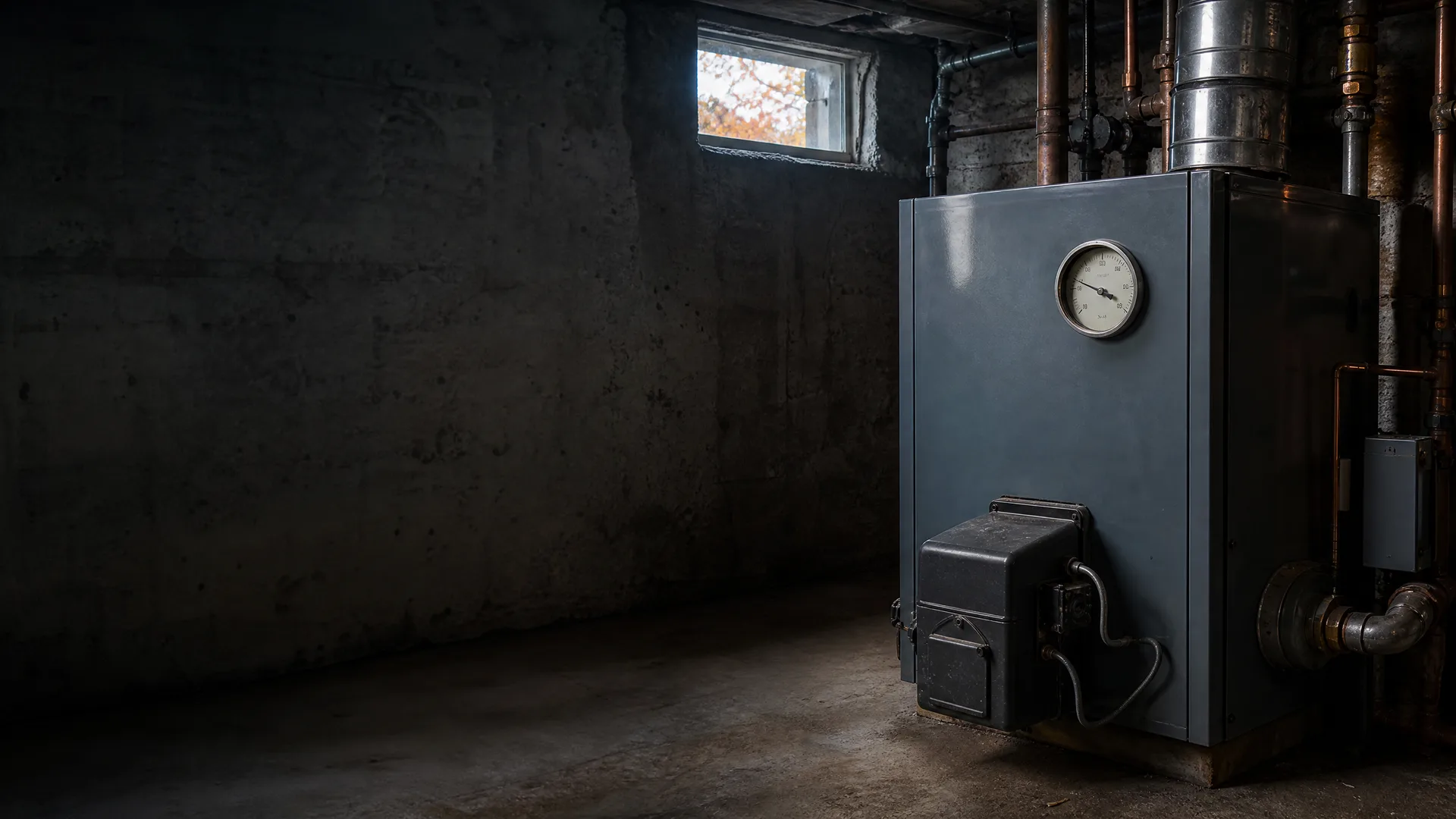
You're down in the basement on a Saturday in October, half looking for the holiday boxes, when you notice the boiler running. You stop and listen. It's a low, straining sound, not the usual hum. The pressure gauge sits off to the side, its glass face a little dusty, needle resting below where you remember it used to sit. You wipe the glass with your sleeve and look again. Still low. Outside it's one of the last mild days before the cold sets in for good, the kind of afternoon that makes it easy to forget what January asks of this thing. You make a note on your phone to get someone out before you need it to just work.




A Minnesota winter doesn't wait for a boiler to catch up. Once the temperature drops and stays there, a weak burner or a bad pressure reading turns into a cold house fast, often on a night when you'd rather not be dealing with it. A tune-up now means someone looks at the burner, the controls, and the pressure while the boiler is still running fine, not after it quits. That's the difference between a scheduled visit and an emergency one, and this time of year is when that choice is still yours to make. Once you send the request, it's off your plate. You're not the one calling around trying to find a contractor with room on the schedule in the middle of a cold snap. Someone who works on boilers gets your information and follows up with you directly. Before the cold sets in for good is the easier time to have this looked at, while it's still a quiet basement and not a quiet house.
A combustion analyzer tells a contractor more than a glance at the flame ever could. It reads the flue gas and shows whether the burner is getting the right mix of air and fuel, which is what separates a clean, efficient flame from one that's wasting gas or running sooty. That soot matters because it settles on the heat exchanger, and so does scale from the water side. Either one acts like a blanket between the fire and the water, so the boiler has to work harder and run longer to put out the same heat. The expansion tank gets checked too, since a waterlogged tank can't absorb pressure changes the way it should, and that shows up as a gauge that climbs or drops instead of holding steady. The low-water cutoff gets tested by hand rather than just looked at, because the only way to know it will shut the boiler down if water runs low is to make it try. Aquastat settings get compared against what the system actually calls for, since a setting that's drifted can mean radiators that run lukewarm or a boiler that short-cycles. And the circulator pump gets listened to and checked for play in the bearing, because that pump is what pushes hot water out to every radiator in the house. If it's failing, some rooms heat and others don't.


That's the pressure range most residential boilers need to run right. A reading outside it is something a contractor can catch and correct during a tune-up, before the cold sets in.
A tune-up is a single scheduled visit. It's a different call than the one you'd make if the boiler already quit on a January night.
An 8 degree night doesn't care that your boiler is almost keeping up. That's about how cold it gets on an average winter night in Minnesota, and it's the kind of cold a weak burner or low pressure won't get through quietly. A tune-up is what makes sure it does.
NOAA nClimDiv 1991-2020 county normals weighted by homes
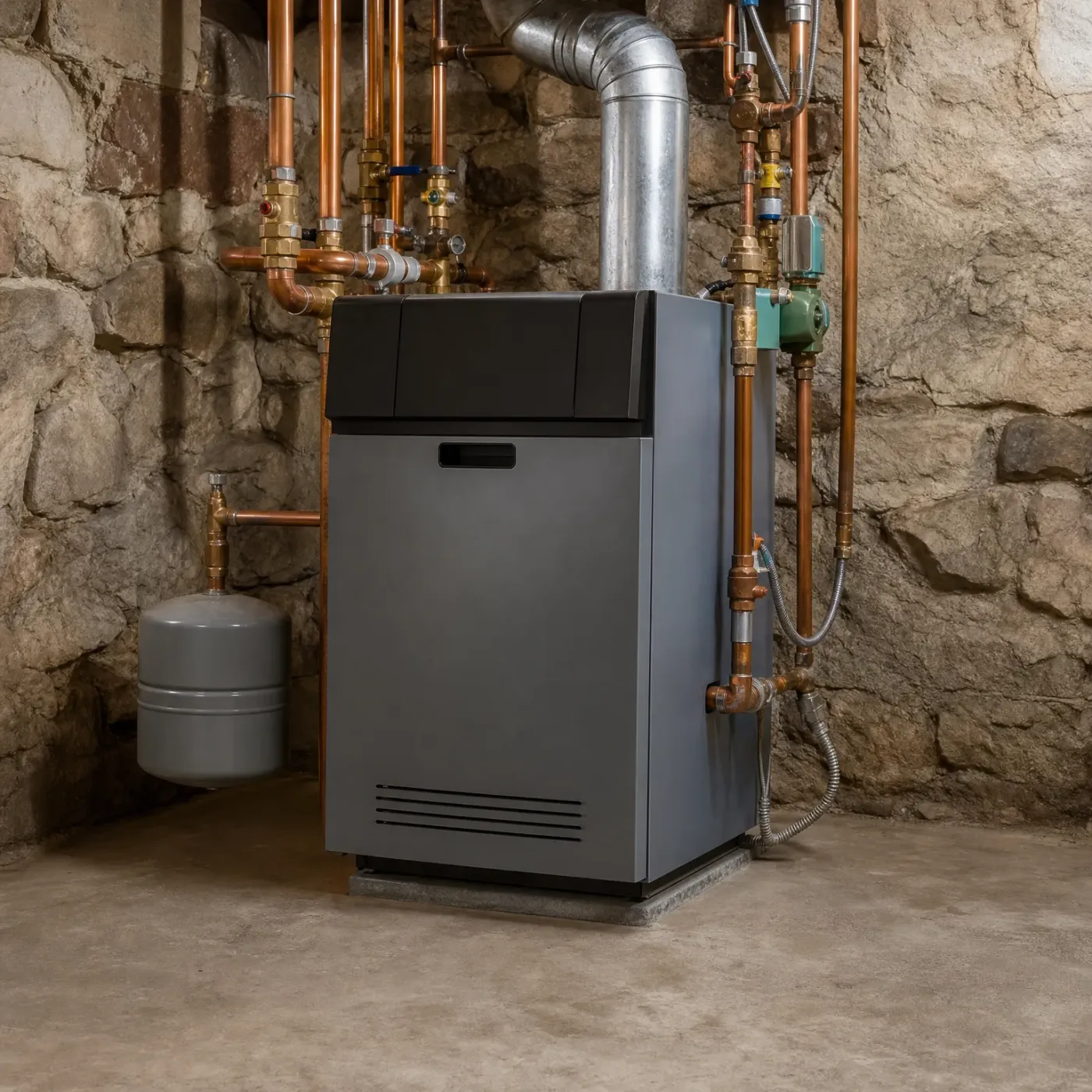
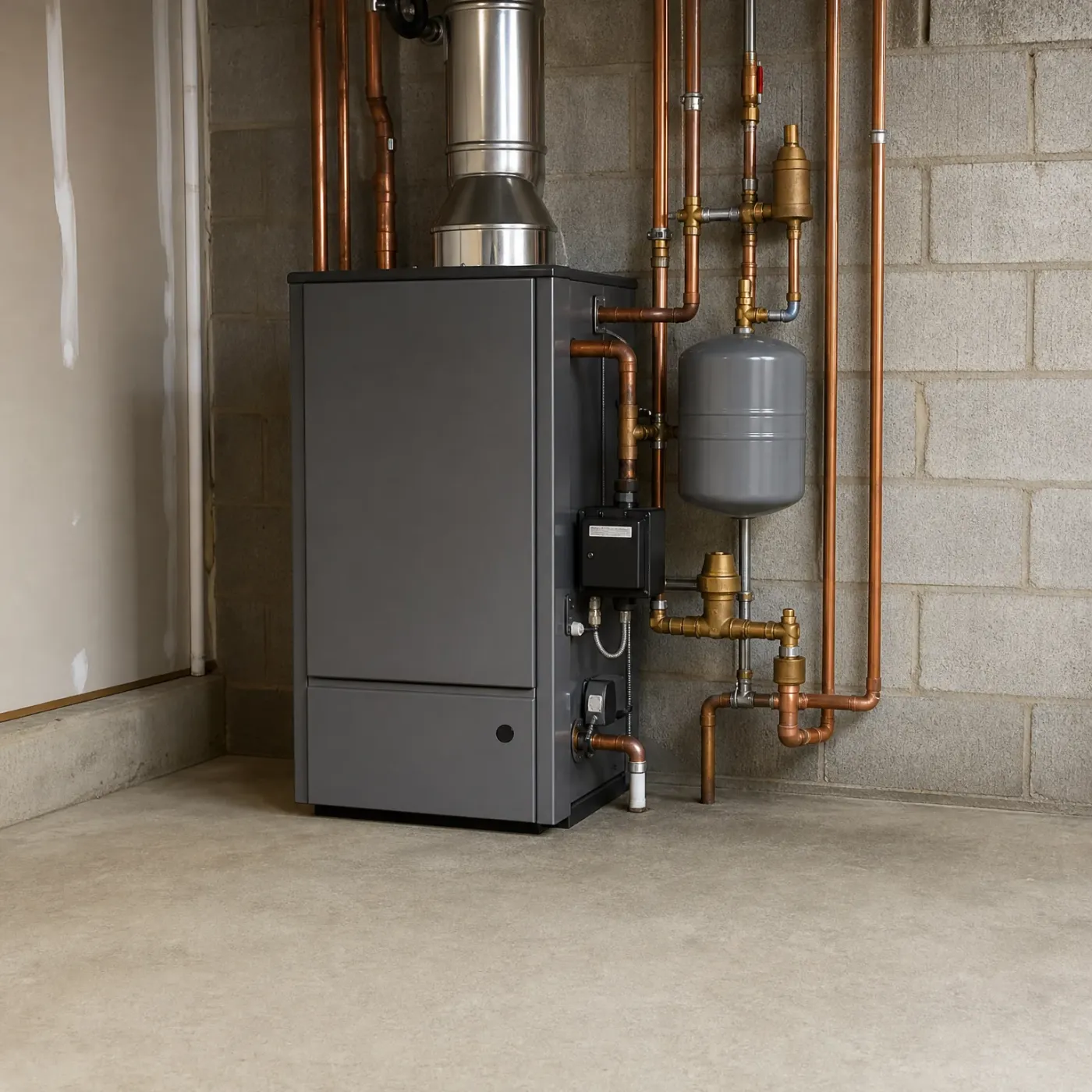
The copper lines stay tight, the circulation pump runs quiet, and the expansion tank holds its charge. Nothing on this unit is straining. A contractor who services it yearly can tell at a glance that pressure and flow are both where they should be.
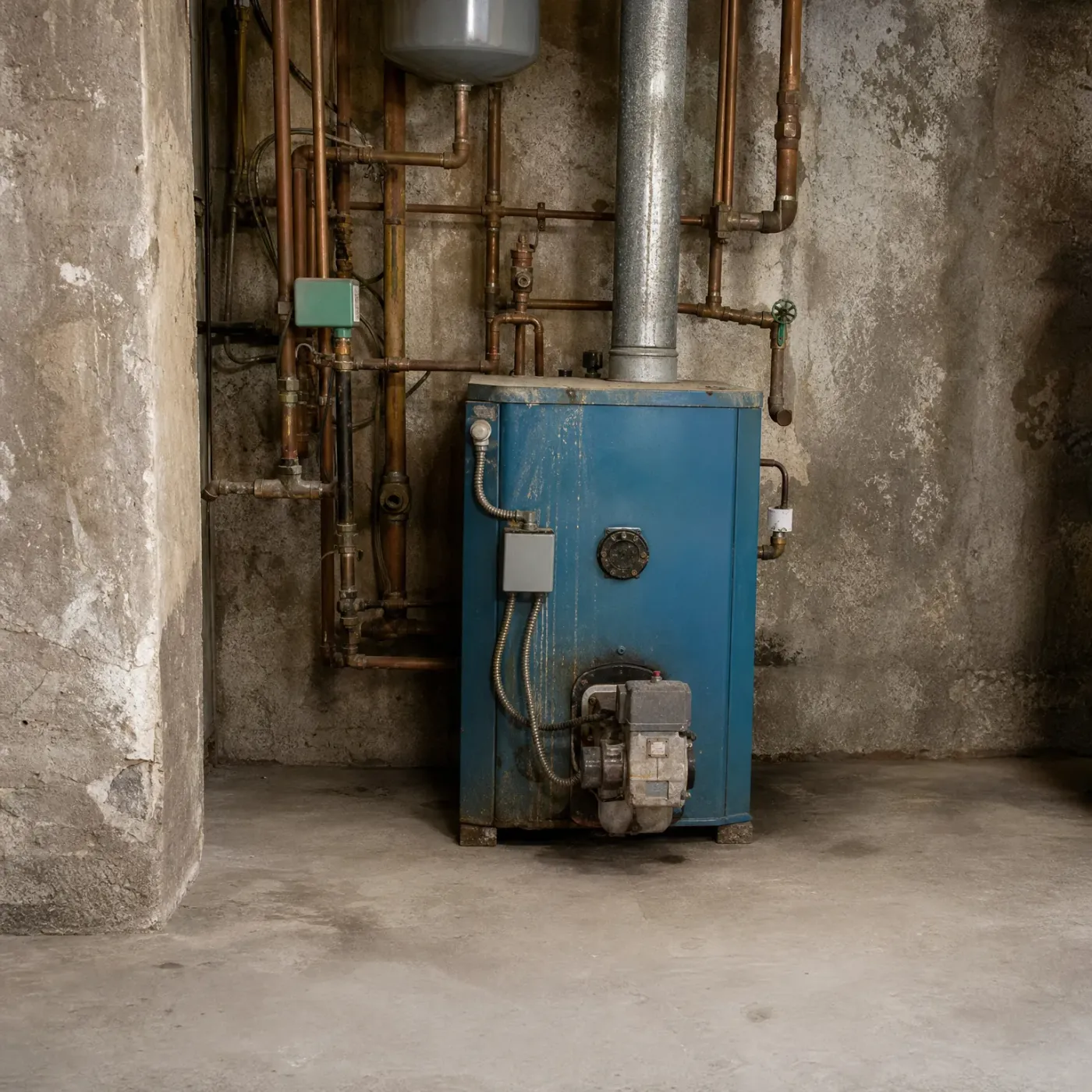
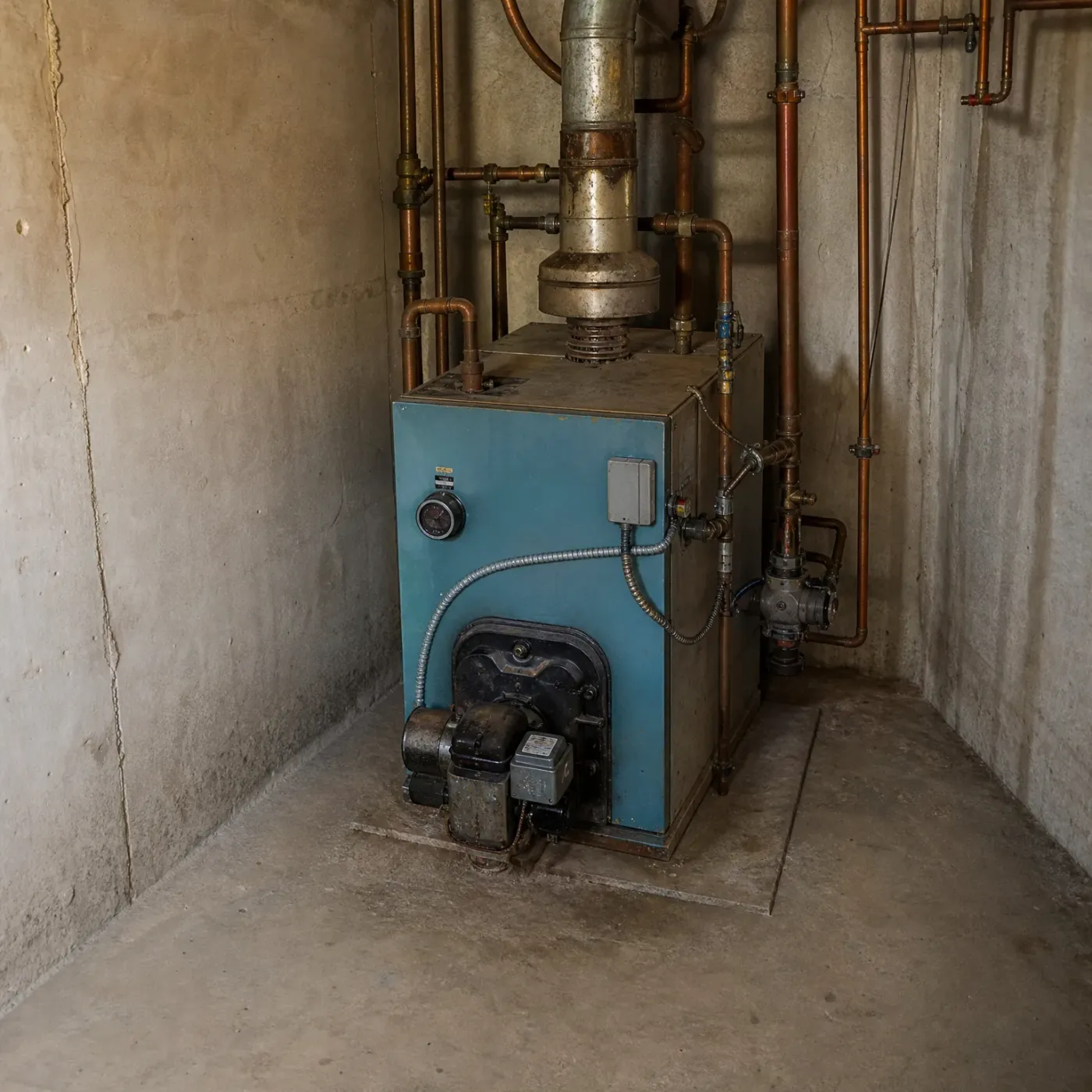
That galvanized flue pipe and the burner under it have been doing their job without anyone checking them. Years go by this way until the burner assembly starts misfiring or the flue backs up, usually on the night it's coldest outside.

A boiler tune-up before winter checks the burner, the pressure, the controls, and the air in the lines, and it tells you where the system actually stands before the cold asks it to prove anything. You stop guessing. You know if the pressure's where it should be, if the burner lights clean, if the heat exchanger needs attention before January makes that decision for you.
What happens next isn't on you. Once you send the request, you're matched with a contractor who services boilers like yours and knows what a Minnesota winter does to a system that's been neglected. They'll reach out. You don't have to track anyone down or sort through who's any good, you've already done the part that mattered, which was deciding not to wait and find out the hard way.

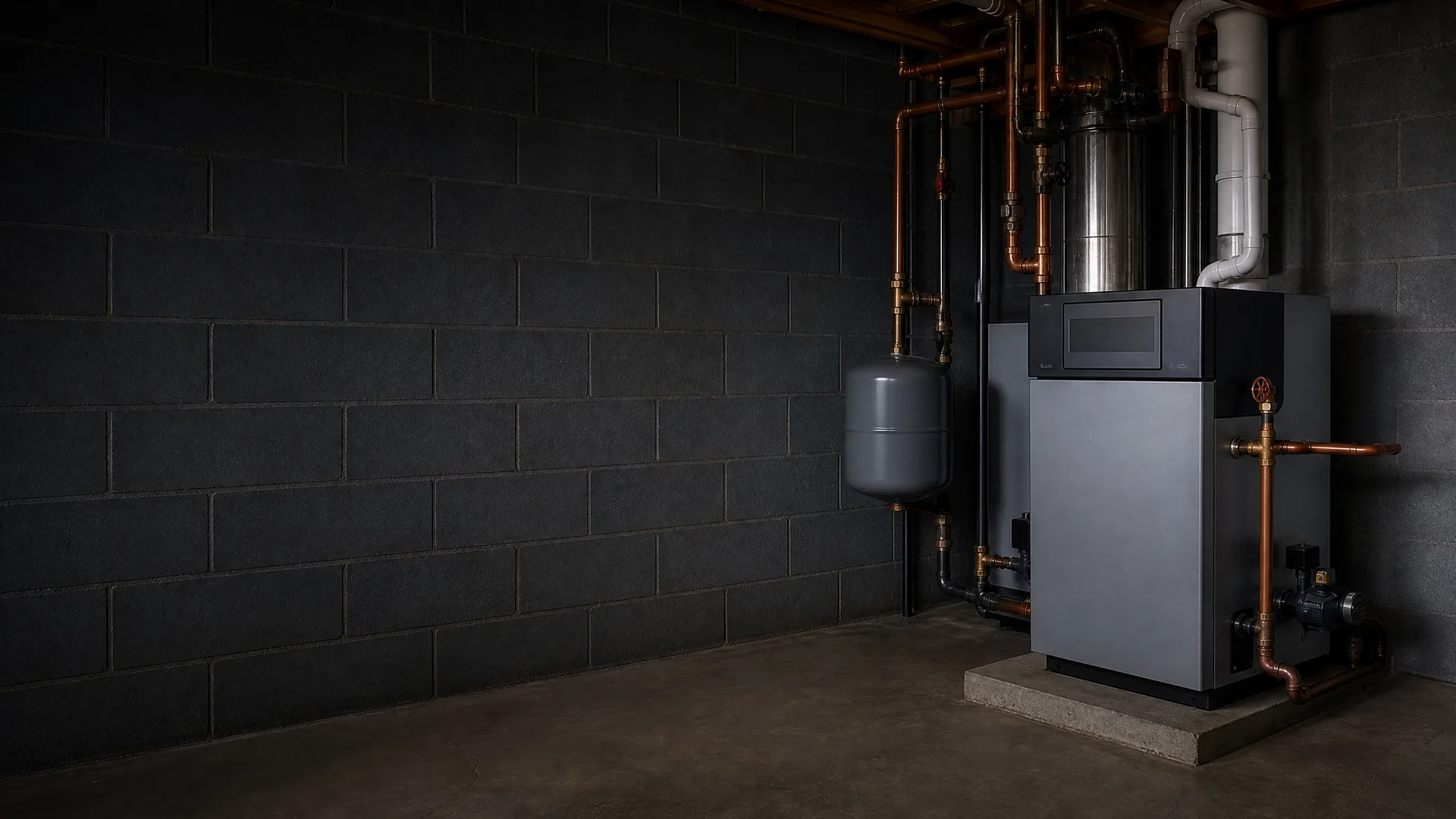
After this form, you can stop searching for a boiler pro.