

Running right
Pressure holds steady, the pumps move water through the loop without short cycling, and the burner fires only when the thermostat calls for it. Nothing on the gauge drifts low between checks.
Tell a local repair pro what your boiler is doing.
Get matchedA boiler that shuts off on its own is usually tripping a safety switch, not failing outright. The most common cause is low water pressure. Minnesota boilers run hard from October through April, and a system that loses even a little pressure over the summer can drop below what the low water cutoff allows once it's working every day. Flame failure is another one: a dirty or misaligned flame sensor tells the control the burner isn't lit even when it is, so the unit shuts down rather than keep sending gas. A blocked vent or a clogged condensate line can do the same thing by tripping a pressure switch. None of these mean the boiler needs to be replaced. They mean something specific inside it is telling the system to stop rather than run unsafely, and that part needs to be found and fixed before the cold months put real demand on it again.
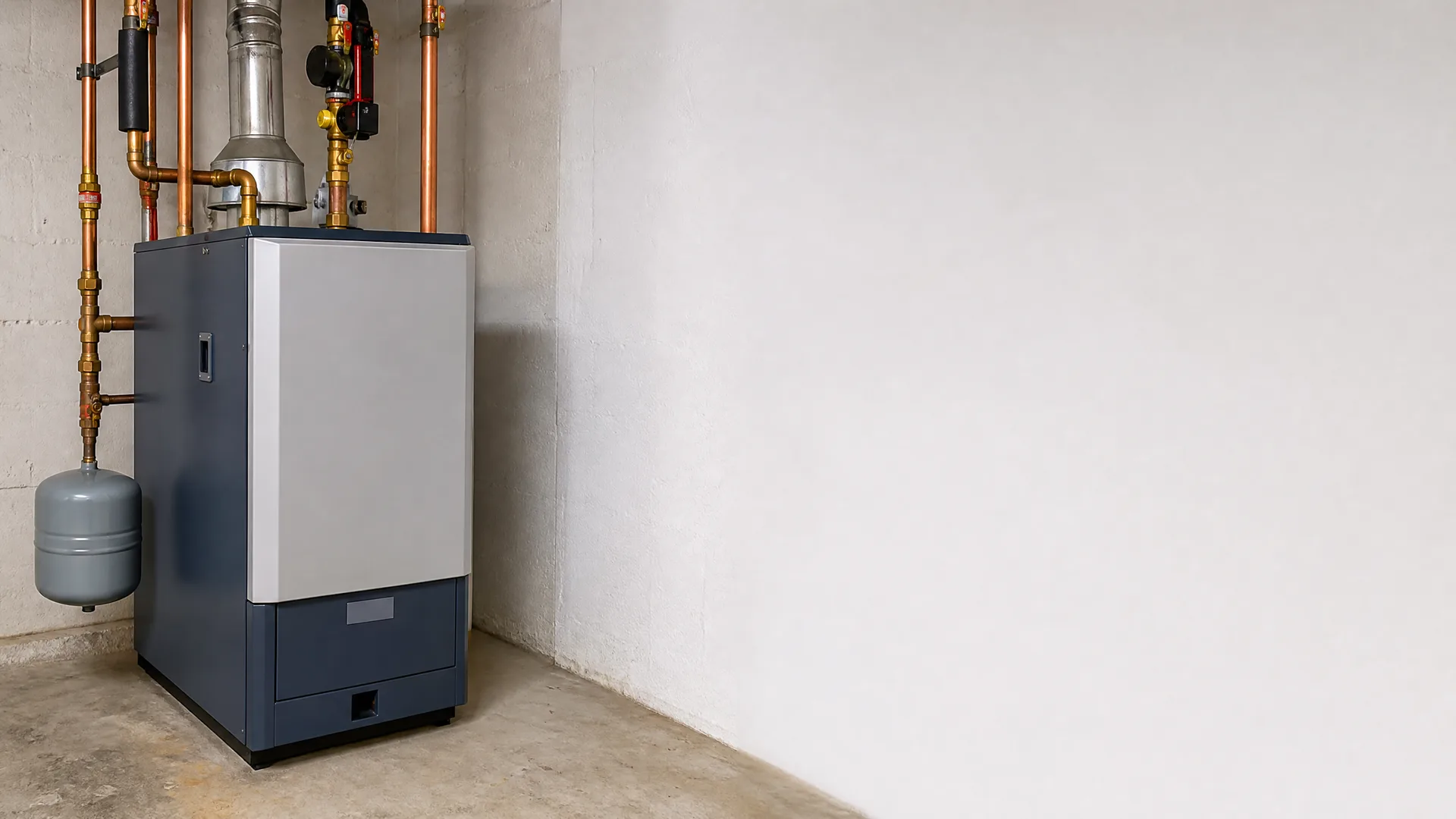
A boiler keeps a pressure of around 12 to 15 psi when the system is cold. Drop below that and the low water cutoff shuts the burner down before anything gets damaged. It's doing its job. The pressure gauge is usually right on the front of the boiler, so you can see where yours sits without opening anything up. If it reads low, the fix is often as simple as adding water through the feed valve.
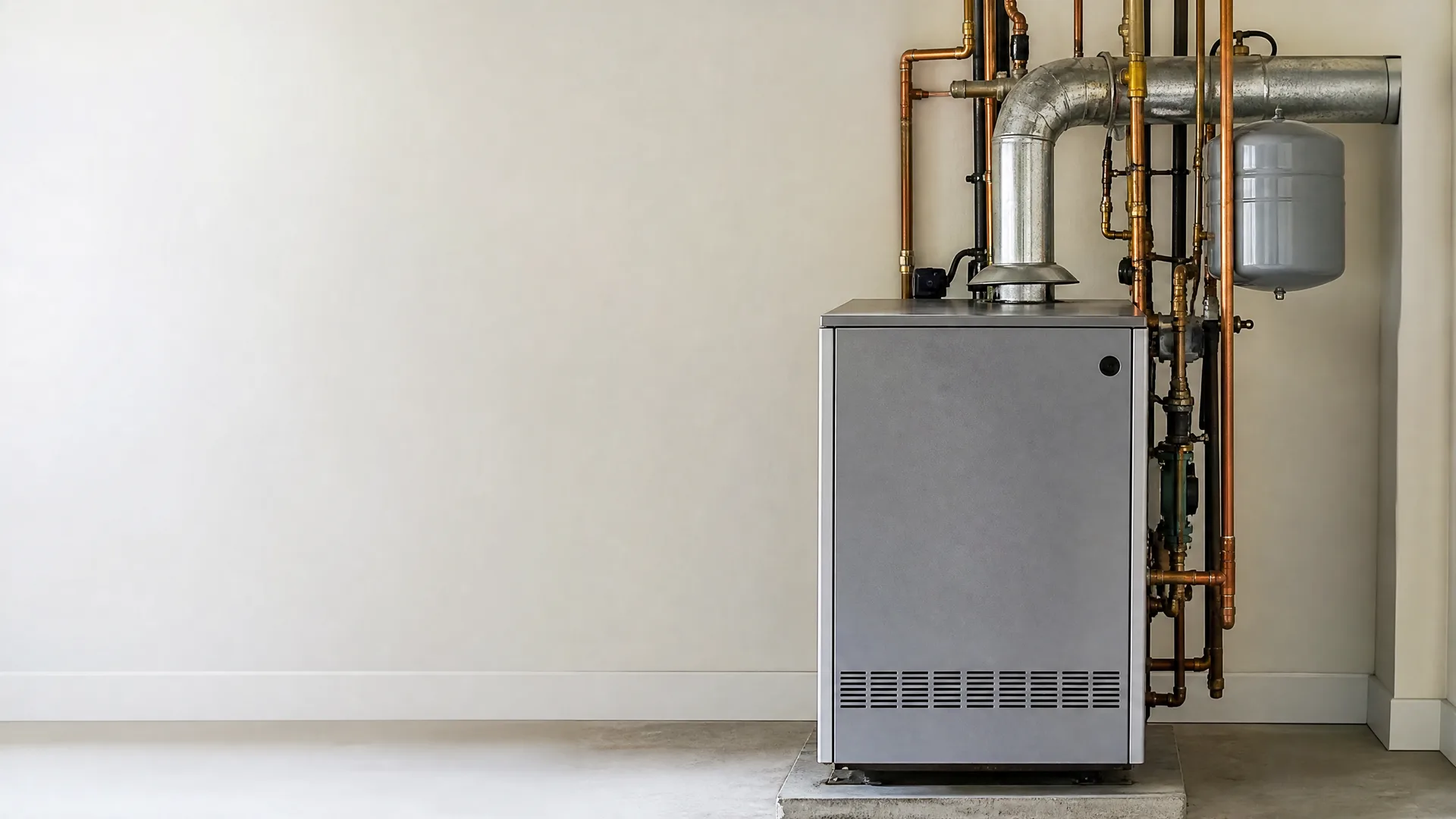
If the circulator pump seizes, the boiler will fire, sense no flow, and shut off on a limit switch within minutes. This happens more after a long stretch of not running, which is part of why problems tend to show up in October when a Minnesota boiler starts working hard again after sitting idle most of the summer. A pump that's locked up needs to be freed or replaced before the system will hold a cycle.




Your request goes to one pro, not a list of companies.
You only hire the pro if you want to.
A boiler that keeps shutting off during a Minnesota winter is working against the cold, not just sitting idle. Every time it trips and you don't catch it, your house loses heat for however long it sits off, and in January that shows up fast in rooms farthest from the boiler. If you're resetting the same low pressure fault every few weeks, that's not a fix, it's a sign of a slow leak somewhere in the system. Left alone through a full winter, that pattern tends to get more frequent, not less, because the parts under strain don't recover on their own.
A slow pressure leak rarely announces itself. You might see a damp spot near a radiator valve, a pump seal, or where a pipe joint meets the boiler, or you might see nothing at all because the water is evaporating as fast as it escapes. Either way, you're paying to heat water that keeps disappearing from a closed system, and the boiler is cycling harder to make up for it. A local contractor who works on these systems all winter can pressure test the loop and find where it's actually losing water, instead of you topping off the same gauge every few weeks without knowing why.


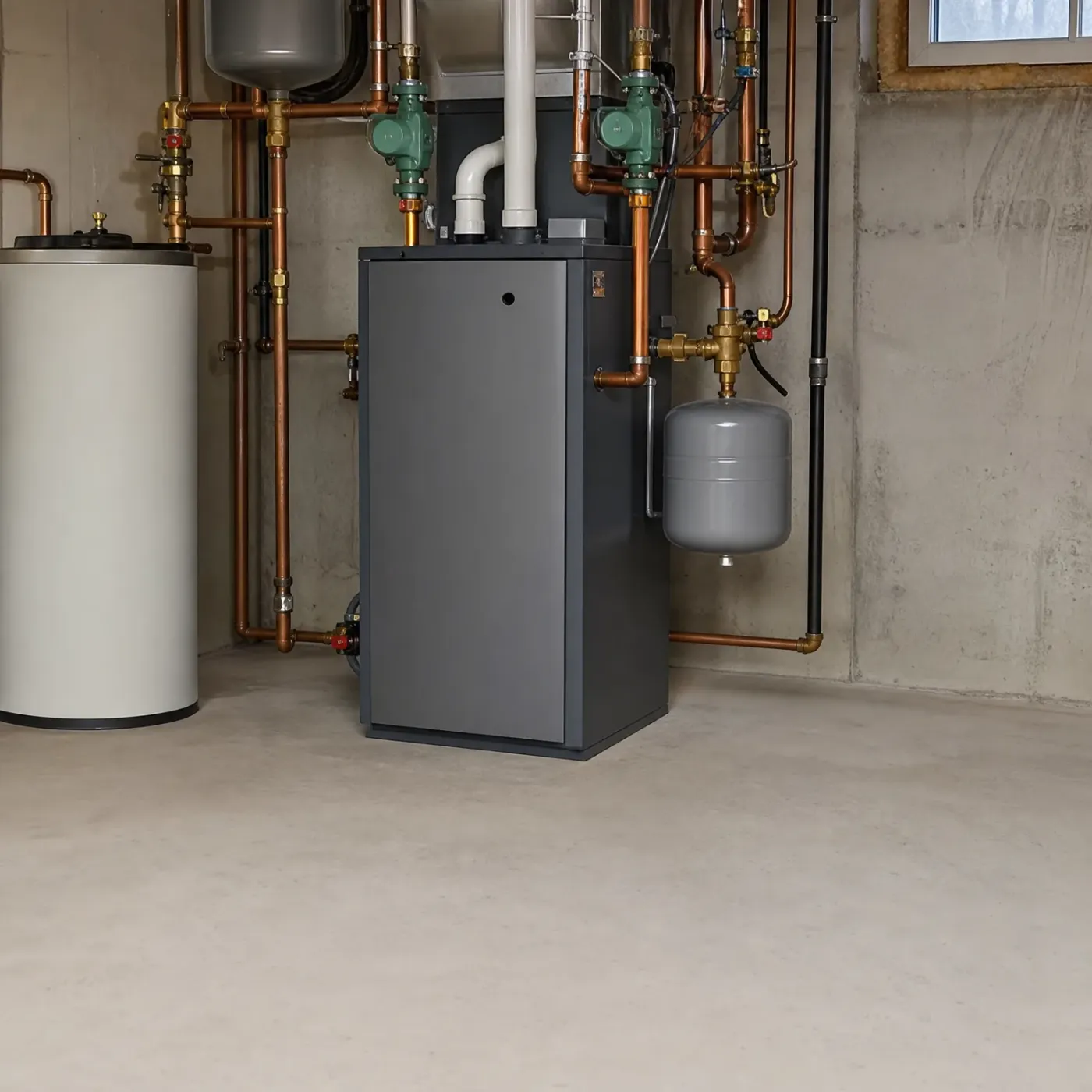
Pressure holds steady, the pumps move water through the loop without short cycling, and the burner fires only when the thermostat calls for it. Nothing on the gauge drifts low between checks.
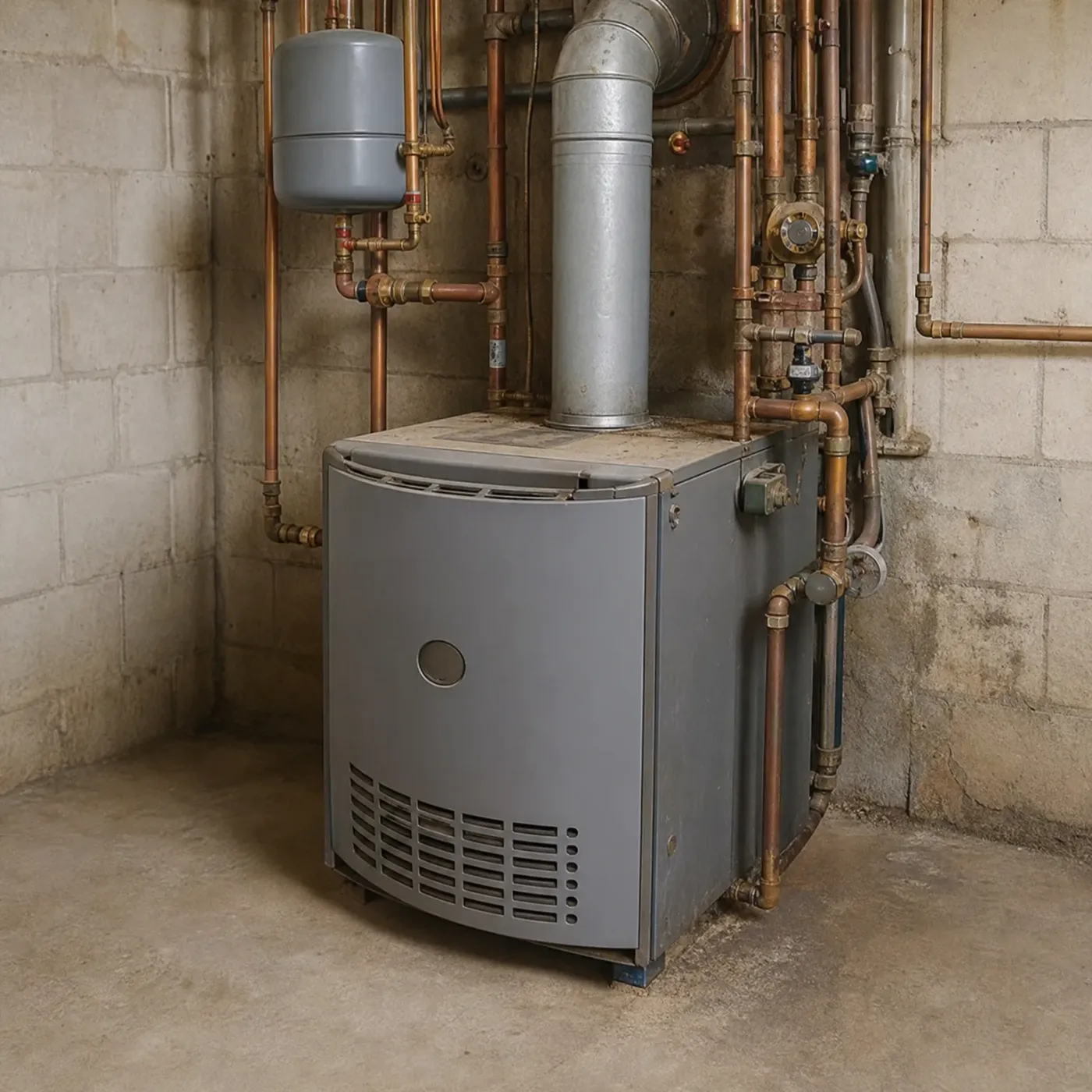
The same pipes and fittings, but the boiler keeps cutting out before the house gets warm. Check the pressure gauge first. If it's low, that's the switch doing what it's built to do.
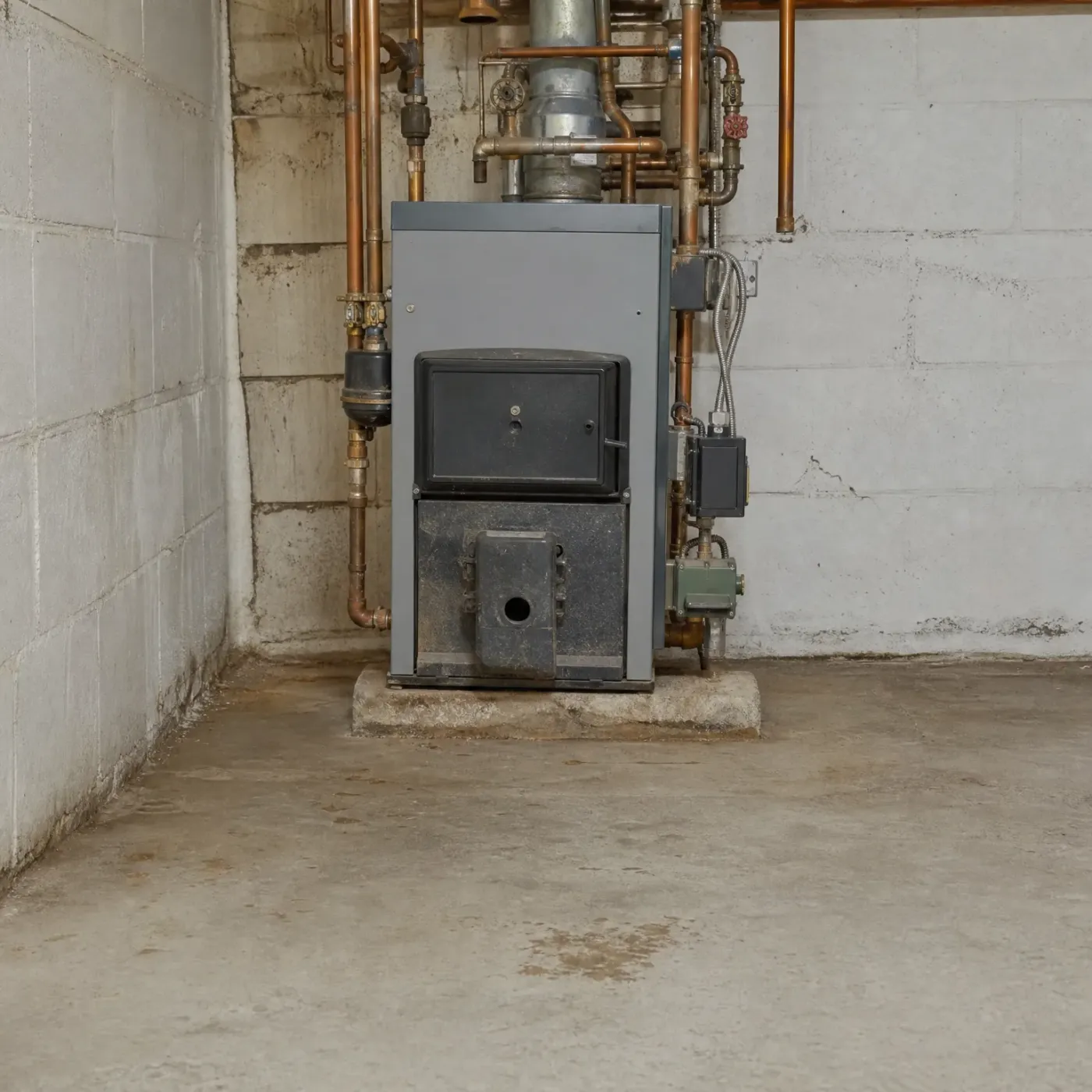
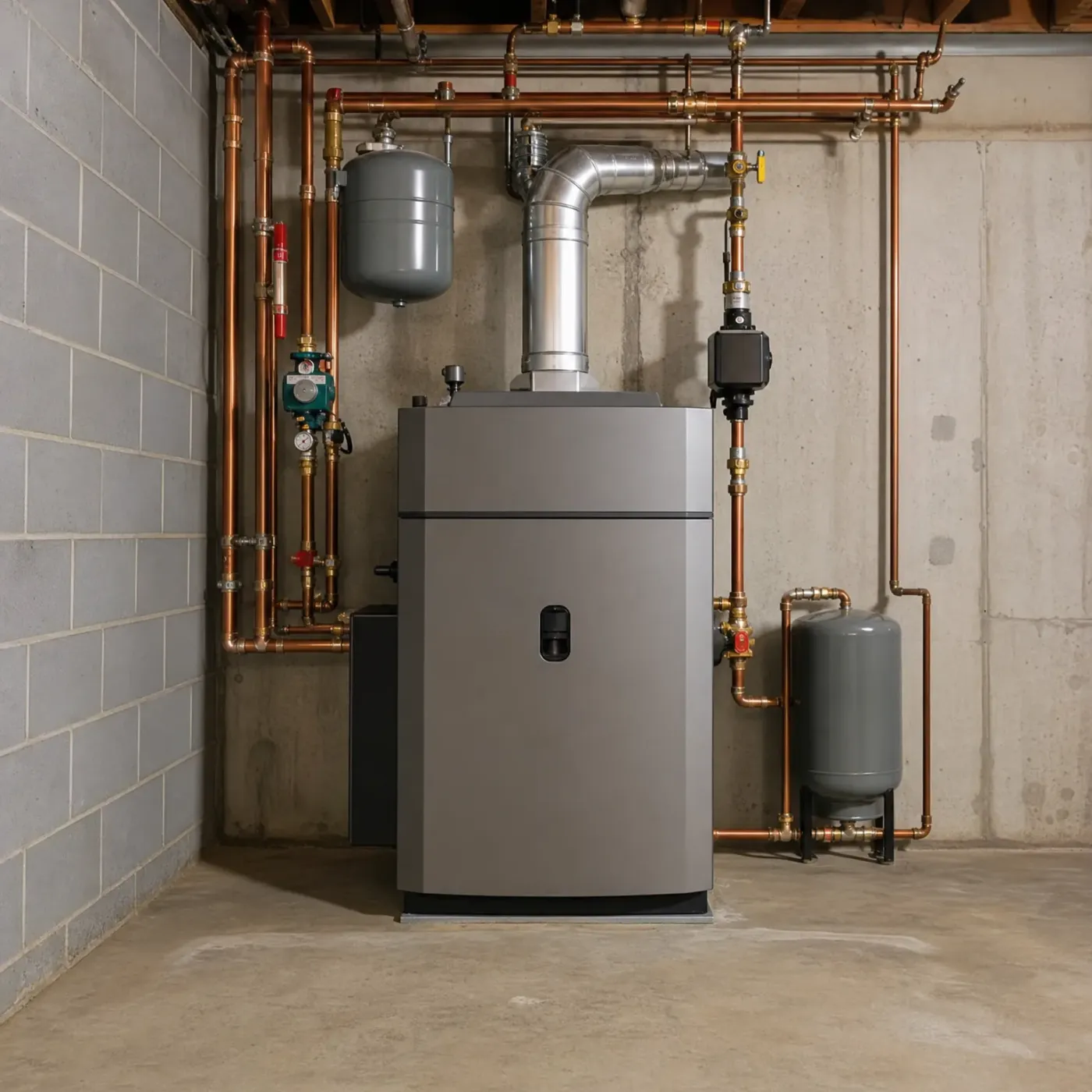
Water pressure drops below the minimum the low water cutoff allows
The pressure switch opens and cuts power to the burner
The boiler locks out before the burner can fire again
Repressurizing through the filling loop lets the switch reset
At 8°F outside, your boiler is firing often and for longer stretches to keep up. That's more cycles where low pressure can trip the cutoff, and more hours your house sits cold if it shuts off overnight while you're asleep.
NOAA nClimDiv 1991-2020 county normals weighted by homes
Most of the time, a boiler that won't stay on isn't broken. It's protecting itself. Low pressure trips the cutoff switch, the burner stops, and the house goes cold until someone notices the gauge and refills the loop. That fixes it when the pressure loss was a one-time thing, maybe a bled radiator or a system that just needed a top-off after sitting all summer.
The harder case is when you refill it and the needle drops again a few days or a few weeks later. Water doesn't disappear from a sealed system on its own. It's going somewhere: a fitting, a valve, a joint in the near-boiler piping that's weeping slowly enough that you'd never spot it without looking. Finding that spot means knowing where these systems usually fail first, and that's the kind of thing someone who works on boilers all winter in Minnesota already knows before they open the panel. They've seen the same leak in the same three or four places on enough other systems to check those first.
That's what you get matched with here: one licensed, local contractor, not a handful of companies competing for the job. Someone who already knows what a Minnesota winter does to these systems and has a good guess where to look before they even get to your house. One visit, one answer, and a boiler that holds its pressure instead of tripping again the next cold snap.
The pro who reaches out is licensed in Minnesota.