Why your radiators won't heat up in Minnesota

Step 1 of 3: Equipment

Cold radiators usually mean air trapped in the line, which stops hot water from reaching the metal. Bleeding the valve at the top of the radiator with a radiator key will often bring the heat right back. If bleeding doesn't fix it, the problem may be a stuck or closed valve, a clogged line, or sediment sitting inside the boiler itself. A boiler working through a Minnesota winter runs for months without a break, and sediment that built up quietly in warmer weather can settle into the boiler and keep water from circulating the way it should. Low water pressure in the system is another common cause, and so is a circulator pump that has stopped pushing water through the loop. One cold radiator while the rest of the house is warm points to that radiator's valve or line. Several cold radiators, or a house that never gets properly warm, points to the boiler or the pump. Either way, the fix depends on which part has failed.

A woman with long wavy brown hair in a grey ribbed sweater sits on a couch indoors, looking toward a window, with a potted palm-like plant and fireplace behind her.
A woman with long brown hair wearing a green V-neck top and beige cardigan sits on a light sofa, looking off to the side, with a dining table, lamp and framed picture in the background.
A woman with long dark hair in a cream knit sweater sits on a beige sofa indoors, looking toward a bright window with a houseplant and framed picture in the background.
A woman with long dark hair in a green knit sweater sits on a couch indoors, smiling and looking toward a window with a blurred room behind her.
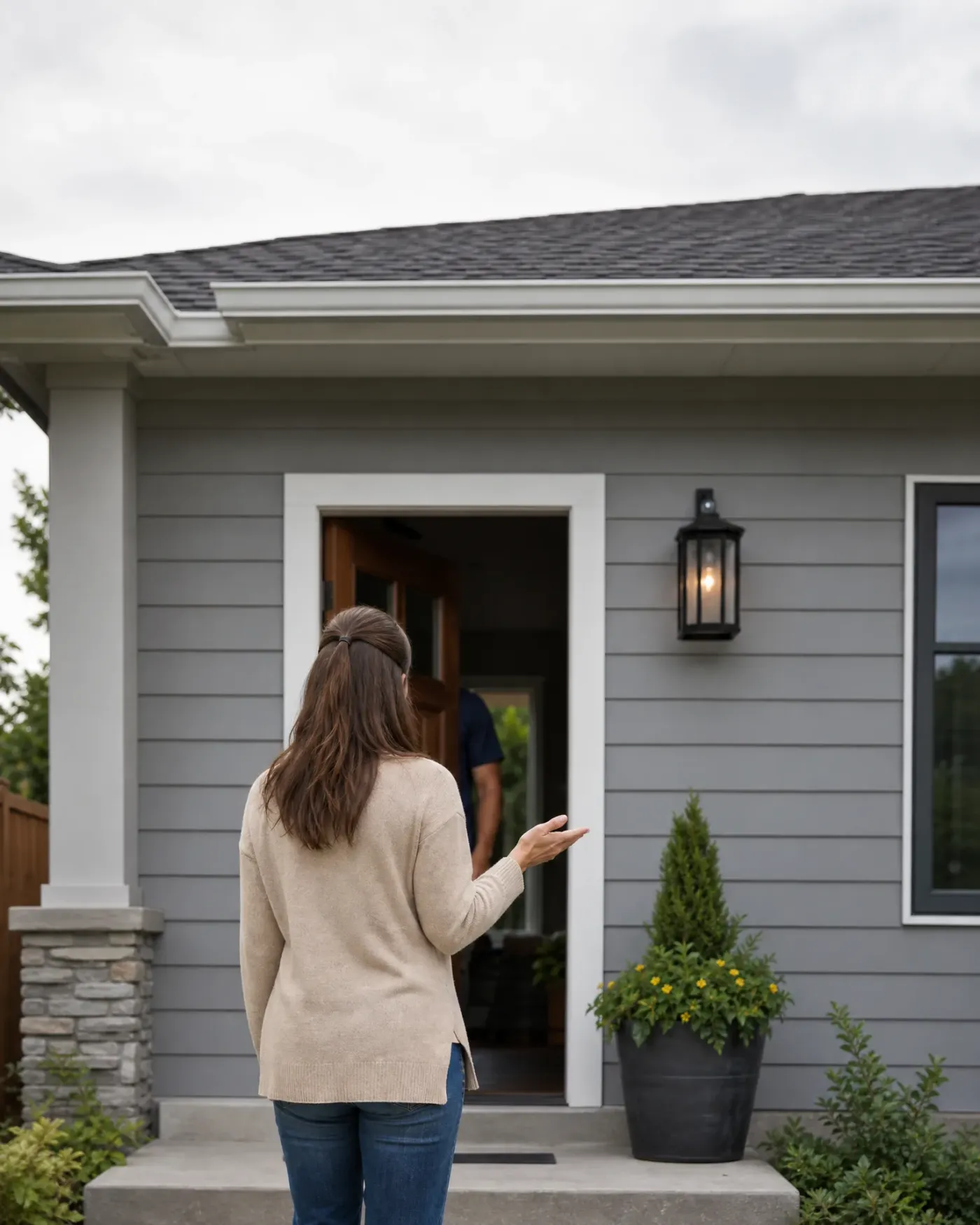
A woman in a cream cardigan and jeans stands with one hand raised facing an open front door of a gray horizontal-siding house, with a black lantern wall light, a potted shrub with yellow flowers, and a stone-faced porch column.

A cold radiator in January isn't something to wait out

When one room stays cold while the rest of the house is warm, you end up managing it. A space heater in the kids' room, a closed door to keep the chill from spreading, someone sleeping in a sweater. None of that fixes the boiler, and a boiler that's struggling to push water through the whole loop is working harder than it should, which shows up on the gas bill before it shows up as a bigger repair.

If bleeding the radiator didn't solve it, the next step is someone who can trace the actual cause, whether that's a failing circulator pump, a clogged line, or something at the boiler itself. Finding that person usually means searching, calling a few places, describing the same problem three or four times, then waiting on quotes to compare. Answer a few questions here and a contractor who works on boilers in your area will get in touch instead.

Interior corner of a room with a window and sheer curtain at left, a gray upholstered sofa with a cushion at right, and a round wooden table holding stacked books and a round vase with an olive branch.
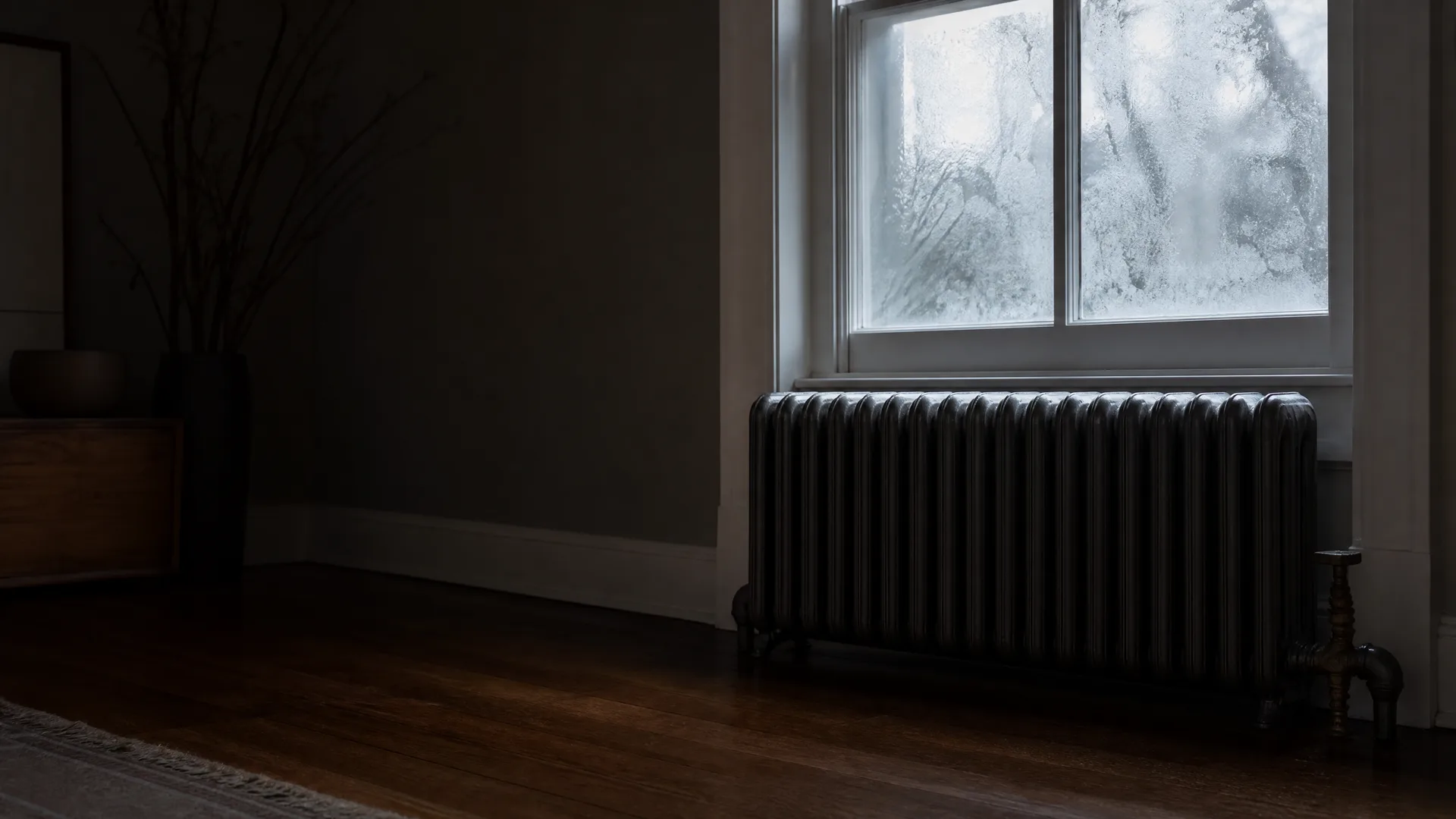
A cast-iron column radiator stands beneath a frosted window in a dim room with dark walls, a wood floor, and a vase of bare branches on a low cabinet at left.

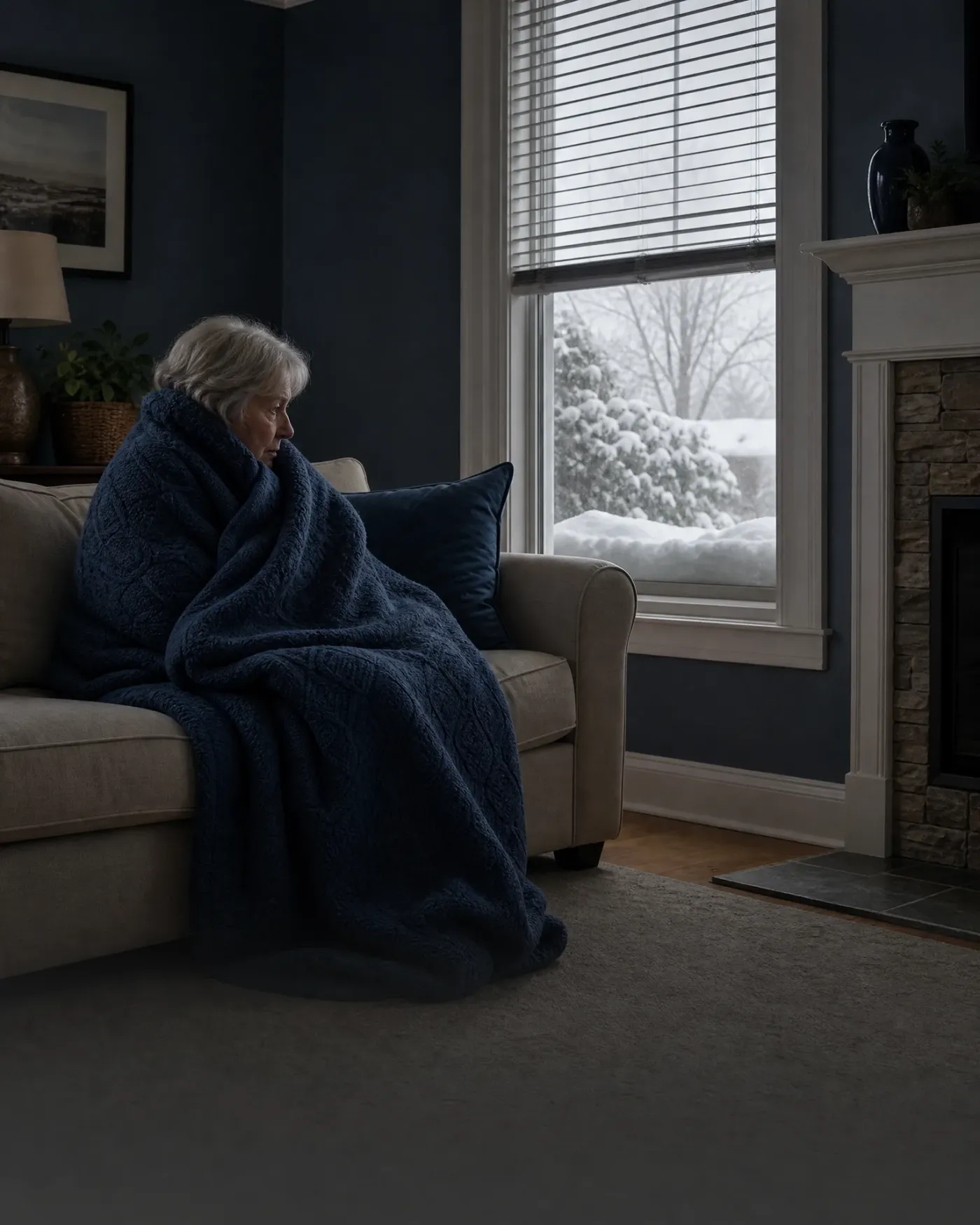
The window glass has gone white with ice on the inside, and the cast-iron radiator under it is cold to the touch. It's just past seven, still dark out, and the house is quiet except for the boiler running somewhere below. You press a hand flat against the ridges, waiting for the tick and warmth that usually comes by now. Nothing. The top is cold, the bottom is cold, and the room has the particular stillness of a Minnesota morning when the heat hasn't caught up to the cold pressing against the glass. Someone will be down for breakfast soon, looking for a warm spot that isn't there.

A boiler pro near you

A boiler that won't push heat to one radiator in the middle of a Minnesota winter isn't a wait-and-see problem. Bleeding the valve clears trapped air, but if the radiator is still cold after that, you're looking at a stuck valve, a failed zone valve, or sediment built up in the line, and those call for someone who can open the system up and look. Finding that person usually means searching, calling a few shops, describing the same cold radiator three or four times, then waiting on quotes to compare. You don't have to do that part. Fill in what's going on and a contractor who works on boilers in your area will reach out directly, so the only conversation you have is the one where someone's actually looking at your radiator, not the ones where you're explaining it over and over to find out who's available.

Trapped air rises to the top of the radiator, so that's where it escapes when you open the bleed valve. A hiss means air is leaving. A steady stream of water means the air is already gone.

If water never comes and the hiss never stops, the valve itself is likely stuck open or closed. That's a part a contractor replaces, not one you bleed clear.

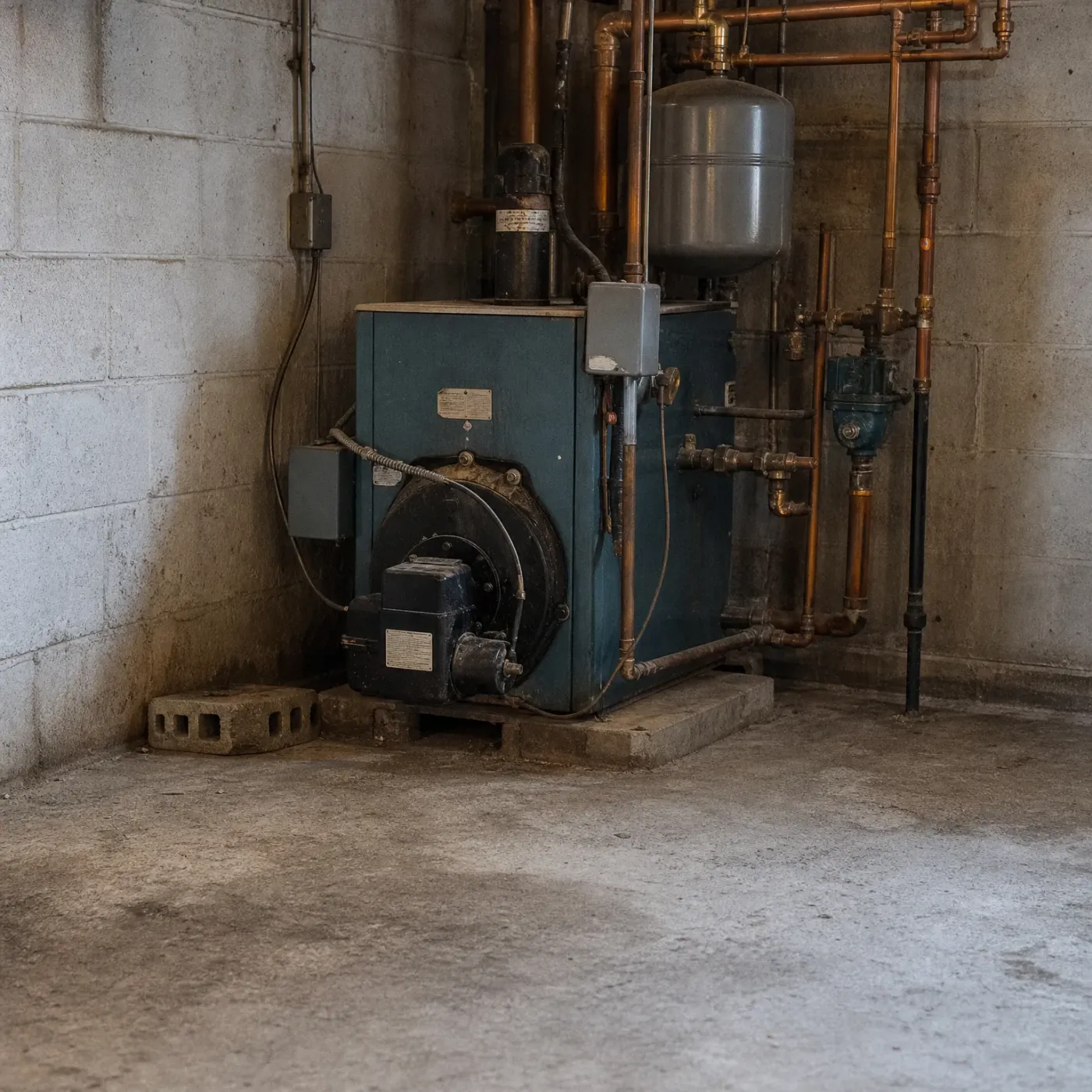
A blue oil-fired boiler with a burner unit sits on a concrete pad in a basement corner, with copper piping, valves and a gray expansion tank overhead against concrete block walls.
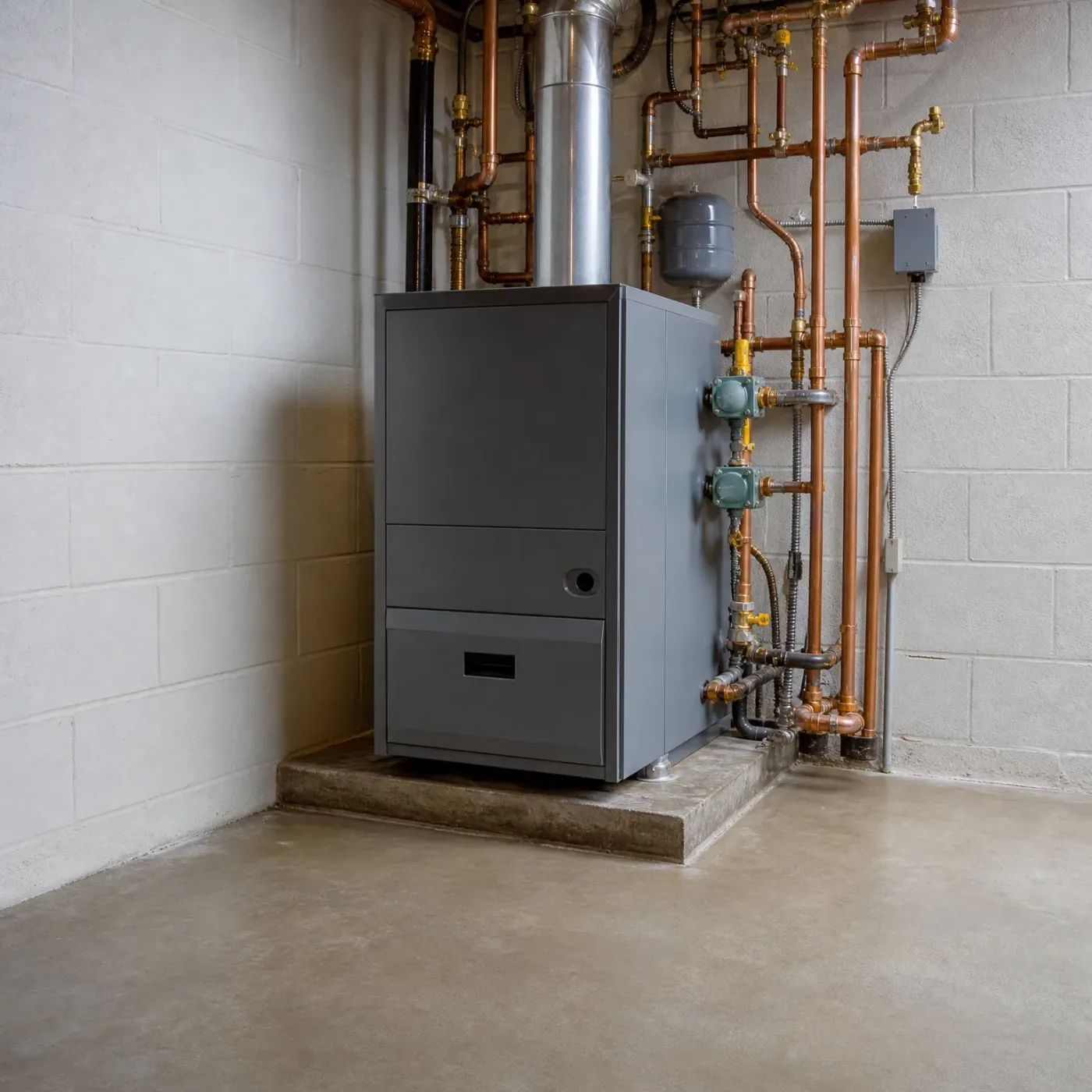
Before you get your boiler repair
A gray boiler unit on a concrete pad in a basement corner, connected to copper piping, valves and a metal flue against painted concrete block walls.
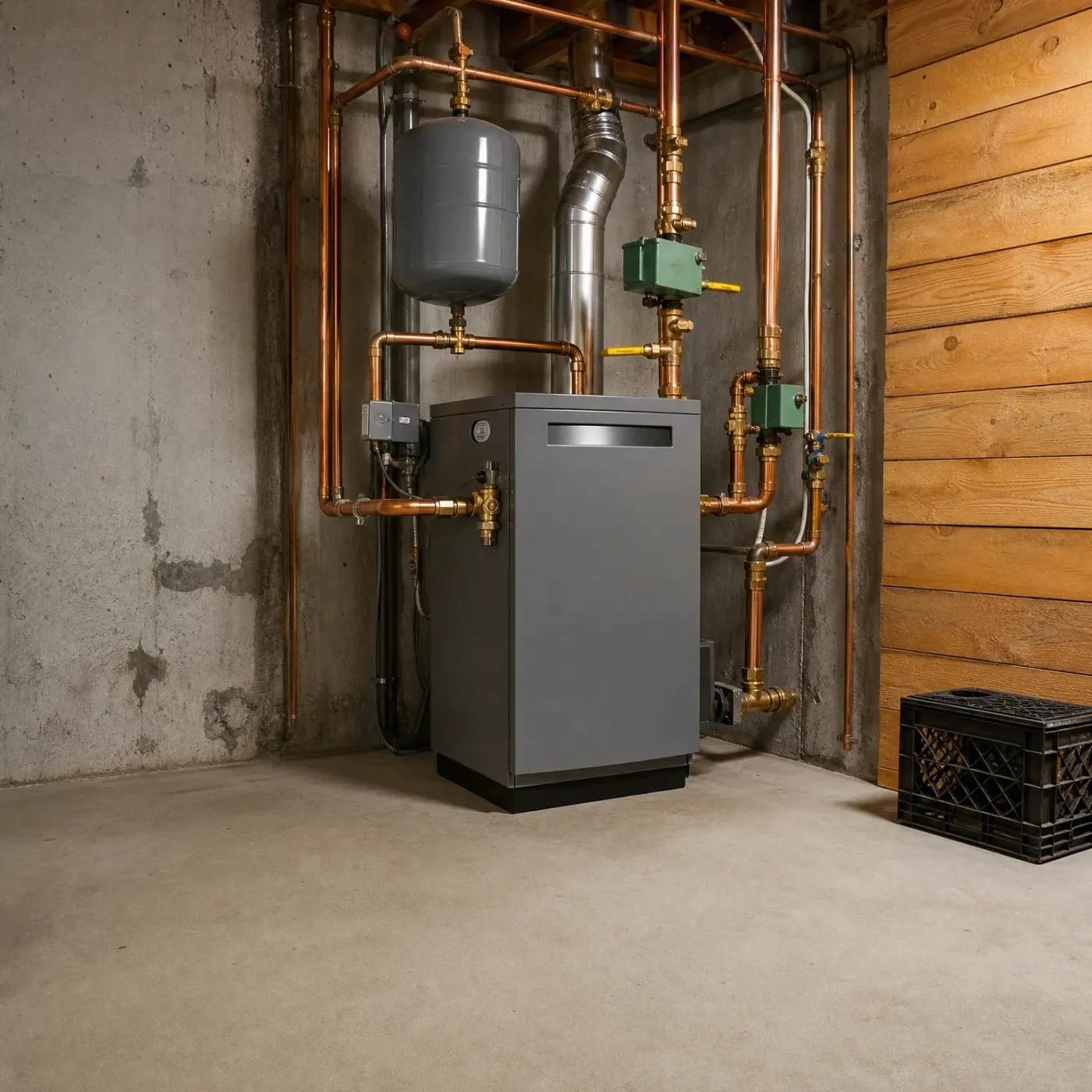
After you get your boiler repair
A gray boiler unit in a basement corner with copper piping, brass valves, a gray expansion tank, a metal flue duct, concrete walls and a wood-paneled wall, with a black plastic crate on the floor at right.

When the system is doing its job

Hot water moves through the copper lines to every zone, and the zone controls switch each loop on as the thermostat calls for it. A boiler running like this keeps every radiator in the house warm, not just the ones closest to it.

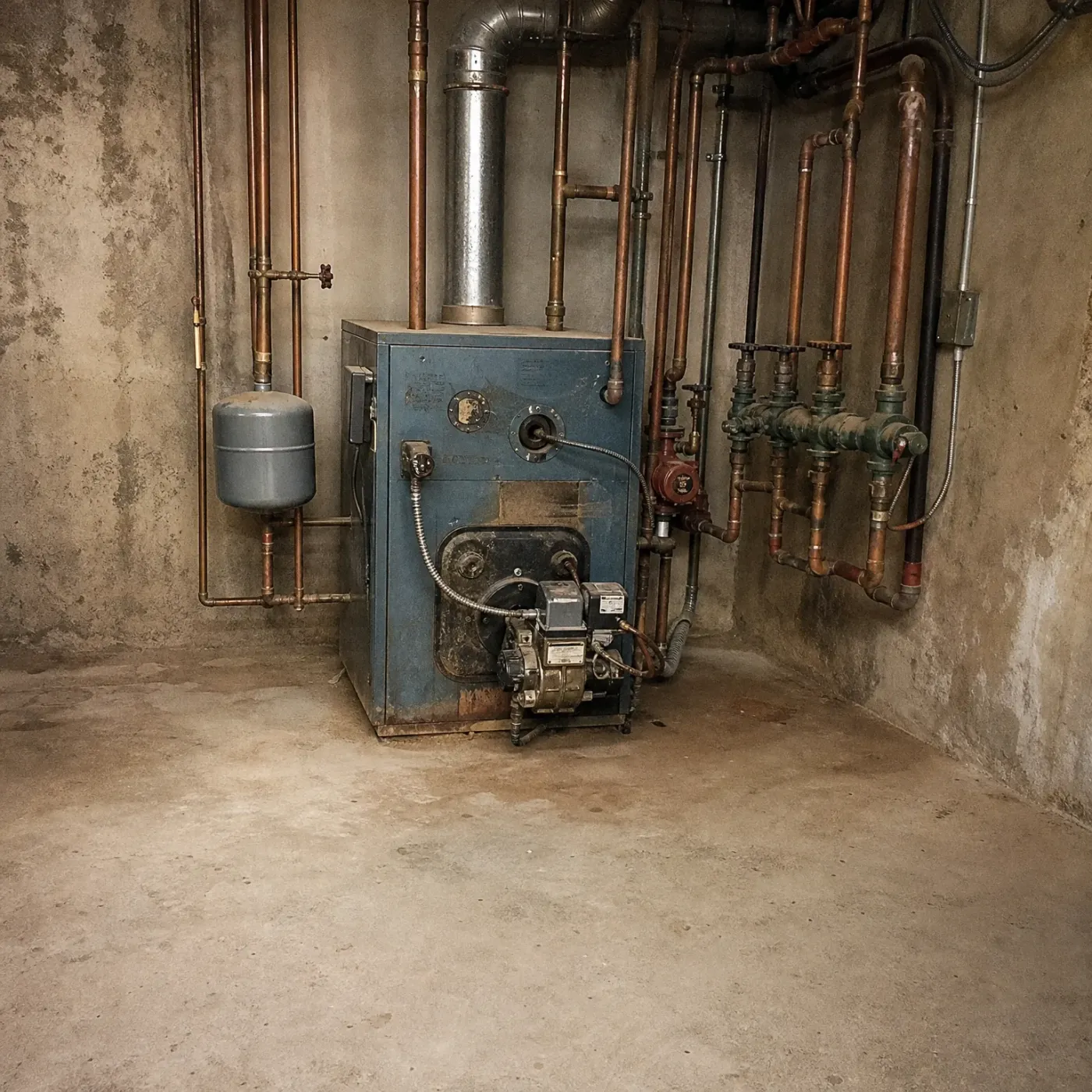
An older blue boiler with a burner unit stands in a concrete basement corner, connected to copper and steel piping, valves and a gray expansion tank on the wall.

When it isn't

Shut-off valves and zone circulators sit along the manifold, and any one of them can fail quietly. A stuck valve or a dead circulator cuts heat to part of the house while the rest stays warm, and the boiler itself keeps running like nothing's wrong.

Winter nights average 8°F statewide

Overnight lows average 8°F across a Minnesota winter, and a boiler has to push through that same cold every night, not just on the worst ones. A trapped pocket of air or a stuck valve that's a minor annoyance in October becomes a cold room for the rest of the season.

NOAA nClimDiv 1991-2020 county normals weighted by homes

A smiling older woman with gray hair in a cream knit sweater stands in a dimly lit kitchen beside a window showing snow outside, with a round loaf of bread on the counter in the foreground.
A woman with her hair in a bun holds a sleeping young child against her chest, both wrapped in a textured beige knit blanket on a sofa in a dimly lit room with a lamp, framed picture, and bookshelf behind them.

Where This Leaves You

  • Air in the line, a stuck valve, a failed zone valve, or sediment in the boiler are the usual reasons a radiator stays cold.
  • Bleeding the valve solves the problem more often than not, but a radiator that's still cold after bleeding needs a closer look.
  • A cold radiator in a Minnesota January is a problem that gets worse the longer it sits, not one that fixes itself.
  • Finding a contractor on your own means searching, calling around, and explaining the same cold radiator to each one before you get a quote.
  • Matching with a contractor who knows Minnesota boilers skips that work and gets someone reaching out to you directly.
  • The fix might be a five-minute bleed or it might be a zone valve replacement, but either way it starts with someone looking at the system.

A cold radiator almost always comes down to one of a few things. Air trapped at the top of the line. A valve that's stuck and won't let water through. A zone valve that's failed. Sediment sitting in the bottom of the boiler. Bleeding the radiator fixes the first one, and it's worth trying before anything else, but it won't touch the other three. If the radiator is still cold once you've bled it, the cause is mechanical, and it stays that way until someone opens up the system and finds it.

None of this gets better by waiting. A room that's cold in December is colder in February, and whatever's keeping that radiator from heating up isn't going to clear on its own the way a minor annoyance sometimes does. The part that takes real time usually isn't the repair itself. It's finding someone to do it. Calling one contractor, describing the cold radiator, waiting on a callback, then doing it again with the next name on the list, then sorting through whatever quotes come back. That's the part that doesn't have to happen. Getting matched with a contractor who works on Minnesota boilers means one call explaining the problem, not five, and someone reaching out to you instead of the other way around. What they find once they're looking at the system, a loose bleed valve or a zone valve that needs replacing, determines the rest. But getting there starts with one step, not a list of them.

Sunlight falls across a beige upholstered sofa with a textured woven cushion and a chunky knit throw, beside a dark wood cabinet holding a ceramic vase with green leafy branches, near a white-framed window.
A sunlit corner of a room with a wooden side table holding a ceramic vase of green foliage and a wooden bowl, beside a light upholstered sofa with a knit throw and rust-colored pillow, with window shadows cast on a beige wall.
A sunlit room corner with beige walls, a white-framed window with sheer cream curtain, wood floor with a light rug, and a woven basket holding a knit blanket.
A beige ceramic vase holding a leafy green branch sits on a wooden cabinet in a corner, with sunlight through a sheer curtain casting leaf shadows on the wall.
A grey upholstered sofa with a rust-orange velvet cushion and a textured throw sits beside a window with linen curtains, next to a wooden side table holding a pale ceramic vase of olive branches.

A local pro for your boiler repair

Answer a few questions instead of calling shop after shop.

Find a pro near me

There's no charge for the request.