Tell us about the job
Takes about a minute. No obligation.
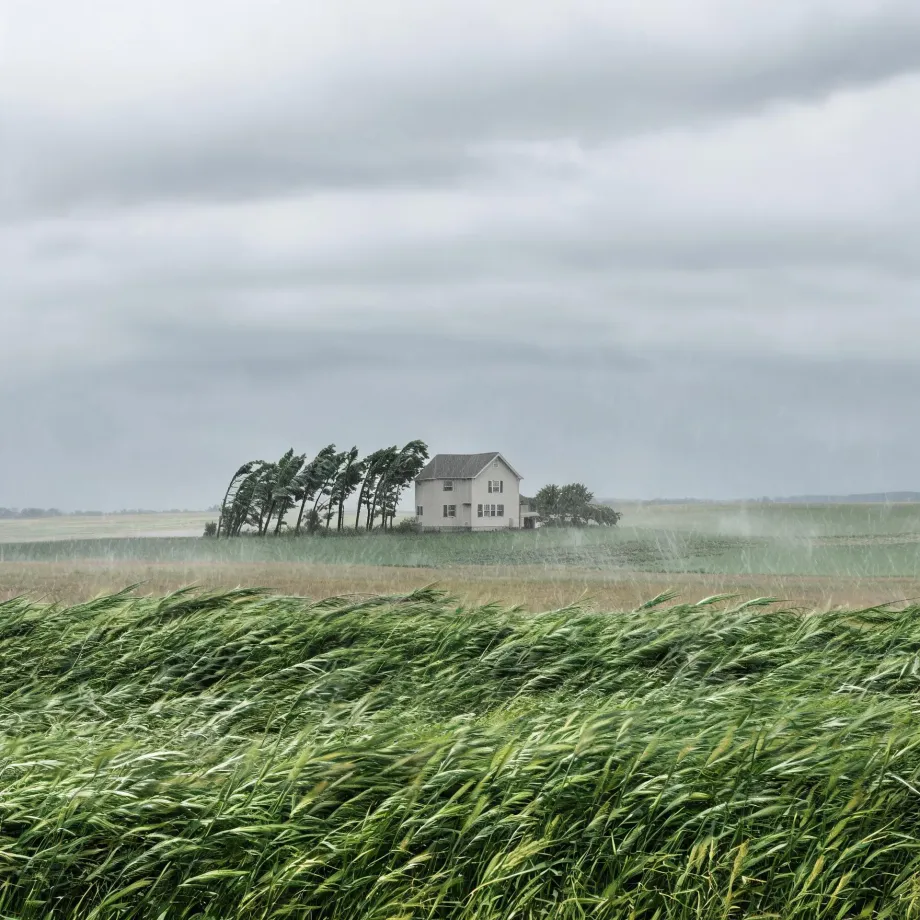
Sizing a boiler for a Cook County home means accounting for a climate that gives contractors real, recurring load to plan around. 135 severe weather events were recorded in Cook County, Minnesota between 2015 and 2024. At that rate, severe weather is a standing condition of operating here, and a contractor quoting a new boiler factors that into equipment selection, flue routing, and how tightly the system gets sealed against the cold and pressure shifts that come with it. A unit that is undersized or loosely installed will show the strain sooner here than it would somewhere the weather sits quiet.
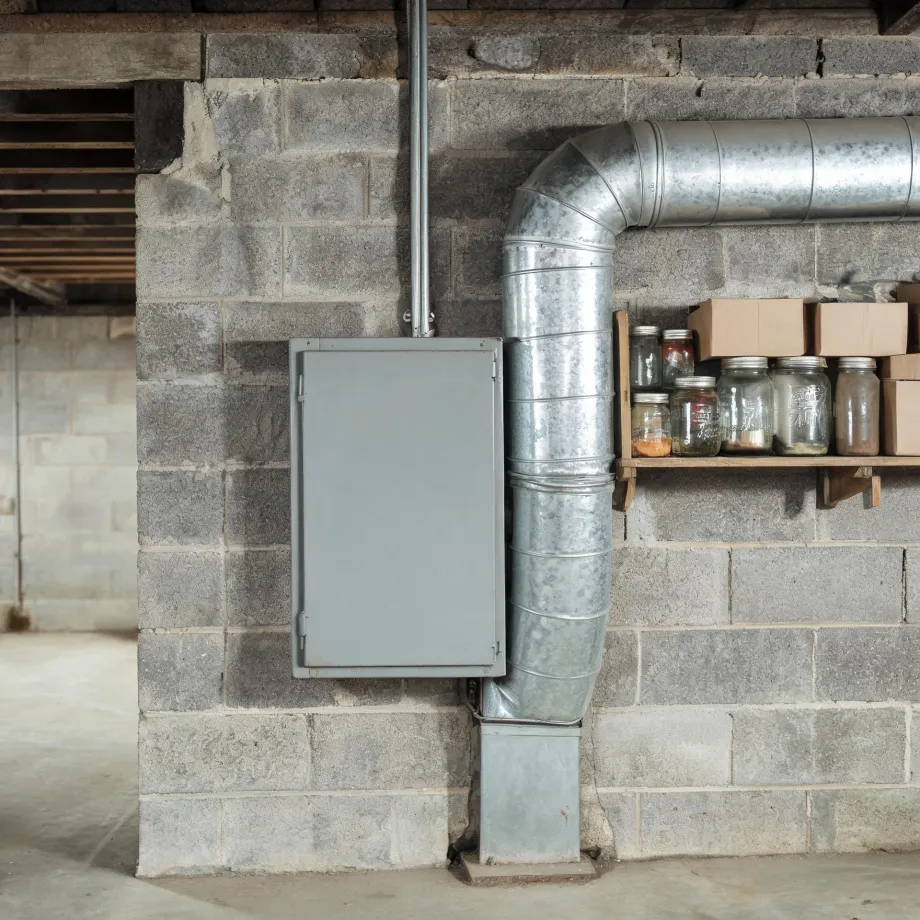
Ductwork laid in for one generation of heating equipment does not automatically fit the next. Half the homes in Cook County, Minnesota were built in 1988 or earlier (2020-2024 ACS 5-year). A boiler installation in a house from that era often runs into distribution systems that were sized for different output, routed for different equipment, or modified incrementally over the decades in ways that no floor plan shows. The electrical service can carry similar surprises. What a contractor finds behind the walls sets the actual scope of the job, and the quoted price adjusts to match it.
What Gets Installed With a New Boiler
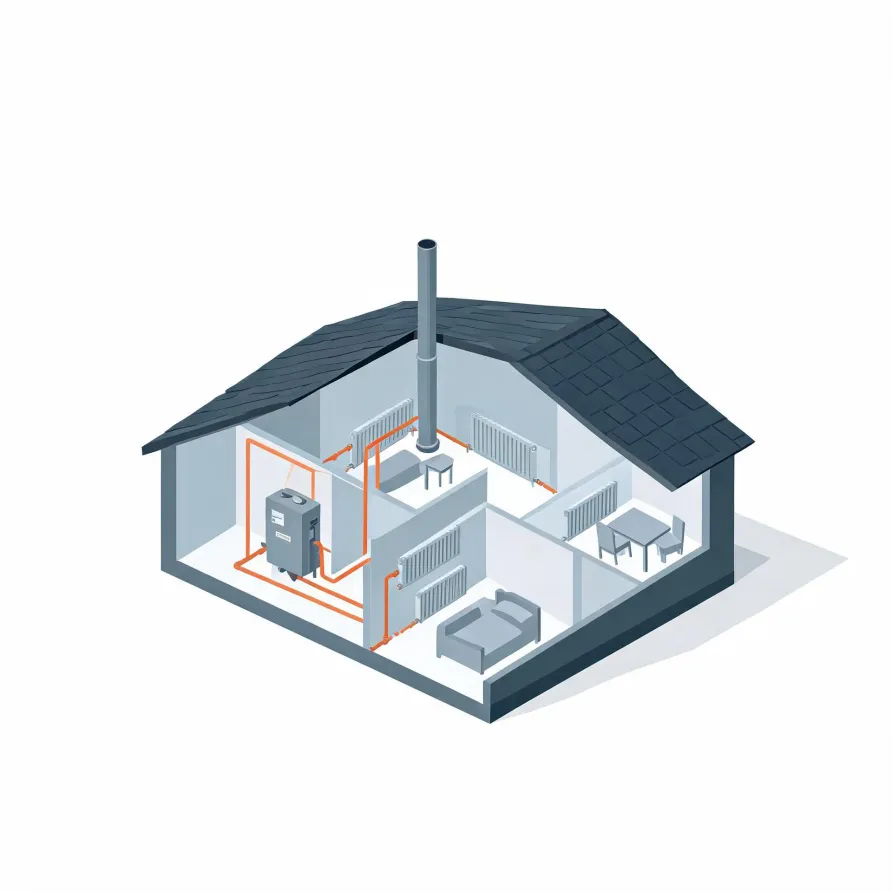
The boiler itself sits in the basement or a mechanical room and is the heart of the system. It heats water that then moves through the house. A pressure relief valve and an expansion tank mount directly to the unit, keeping water pressure within safe limits as the water heats and cools.
From the boiler, supply and return pipes run to radiators or radiant floor loops throughout the home. Each radiator or floor loop zone gets a thermostat, and a circulator pump mounted on the piping drives the hot water through each circuit on demand.
The drawing shows a typical layout, and a licensed contractor determines exactly which components and configurations apply to your home.
Get matched in Cook CountyCook County, Minnesota, by the numbers
135 severe weather events were recorded in Cook County, Minnesota between 2015 and 2024.
NOAA National Centers for Environmental Information, Storm Events Database, bulk CSV export, events 2015-01-01 through 2024-12-31.Half the homes in Cook County, Minnesota were built in 1988 or earlier (2020-2024 ACS 5-year).
U.S. Census Bureau, 2020-2024 American Community Survey 5-Year EstimatesCook County, Minnesota holds 6,079 housing units (2020-2024 ACS 5-year).
U.S. Census Bureau, 2020-2024 American Community Survey 5-Year EstimatesOwners occupy 77.7% of the occupied homes in Cook County, Minnesota (2020-2024 ACS 5-year).
U.S. Census Bureau, 2020-2024 American Community Survey 5-Year EstimatesCodes & Standards Covering Boiler Installation in Cook County, Minnesota2 sourced rules and standards
Licensing and Legal Requirements in Cook County, Minnesota
Minnesota defines a mechanical contractor as a business that installs, repairs or maintains heating, ventilating, cooling or refrigeration systems — the definition that carries the exemption from the residential contractor licence.
Minnesota's residential contractor licence does not reach HVAC work: the licensing section carries its own exemption list, and a mechanical contractor is exempt from the licence requirement by name.
Severe Weather Events in Cook County
Boiler systems work hardest when outside conditions push hardest against them. How often that happens here shapes what a contractor specifies, how a system gets sized, and how much load it carries across its working life.
135 severe weather events, 2015–2024. Source: NOAA National Centers for Environmental Information, Storm Events Database.