Tell us about the job
Takes about a minute. No obligation.
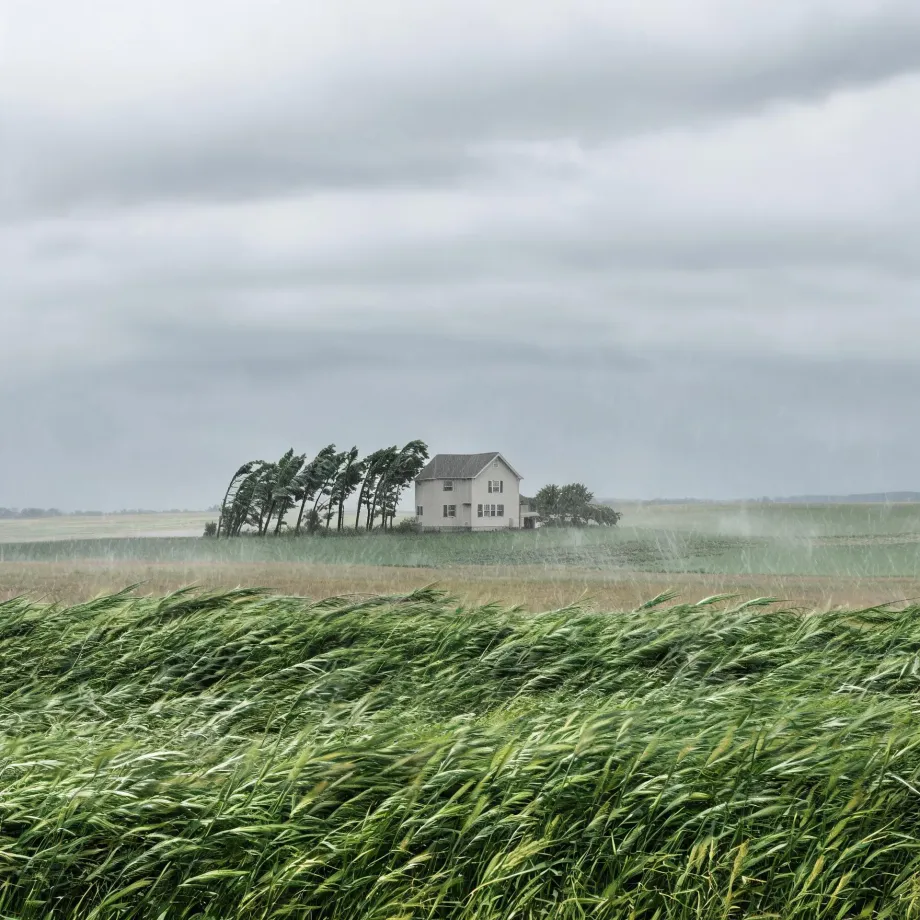
A boiler in Cook County has not been sitting in mild air. 135 severe weather events were recorded in Cook County, Minnesota between 2015 and 2024. At that rate, severe weather is part of the ordinary operating life of heating equipment here, and a contractor working a repair will check the heat exchanger and pressure relief valve early in the diagnosis because those components absorb the most stress when conditions outside swing hard. Seasonal pressure shifts and temperature extremes work on seals and joints steadily. By the time a homeowner calls for a repair, those parts have a history worth reading before anything else gets priced.
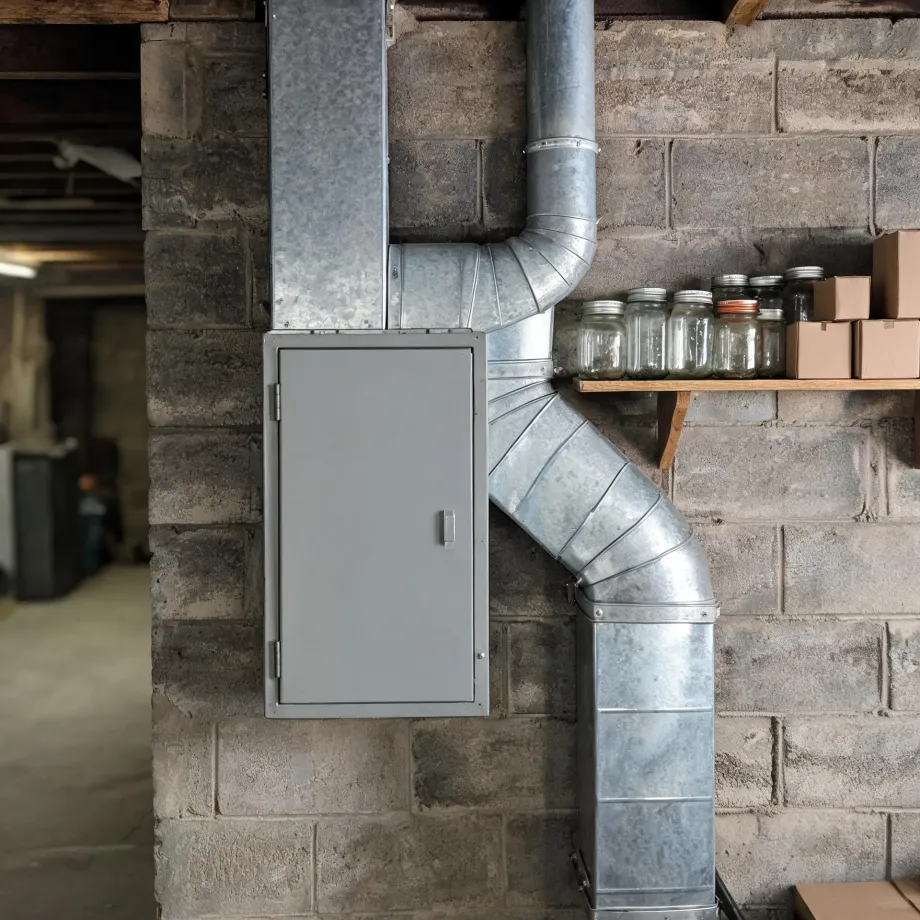
Boiler systems in houses this old accumulate scale, sedimentation, and corrosion at a pace that makes the opened unit the real diagnostic document. Half the homes in Cook County, Minnesota were built in 1988 or earlier (2020-2024 ACS 5-year). A contractor pulling the access panels on a boiler here is looking at what that many winters have done to the heat exchanger and the circulating lines, and those conditions set the scope far more reliably than the model number on the front. Parts availability for equipment serving housing this old is its own question, and a repair that looks straightforward from the outside sometimes becomes a sourcing problem once the unit is open.
The Parts of a Boiler a Contractor Checks First
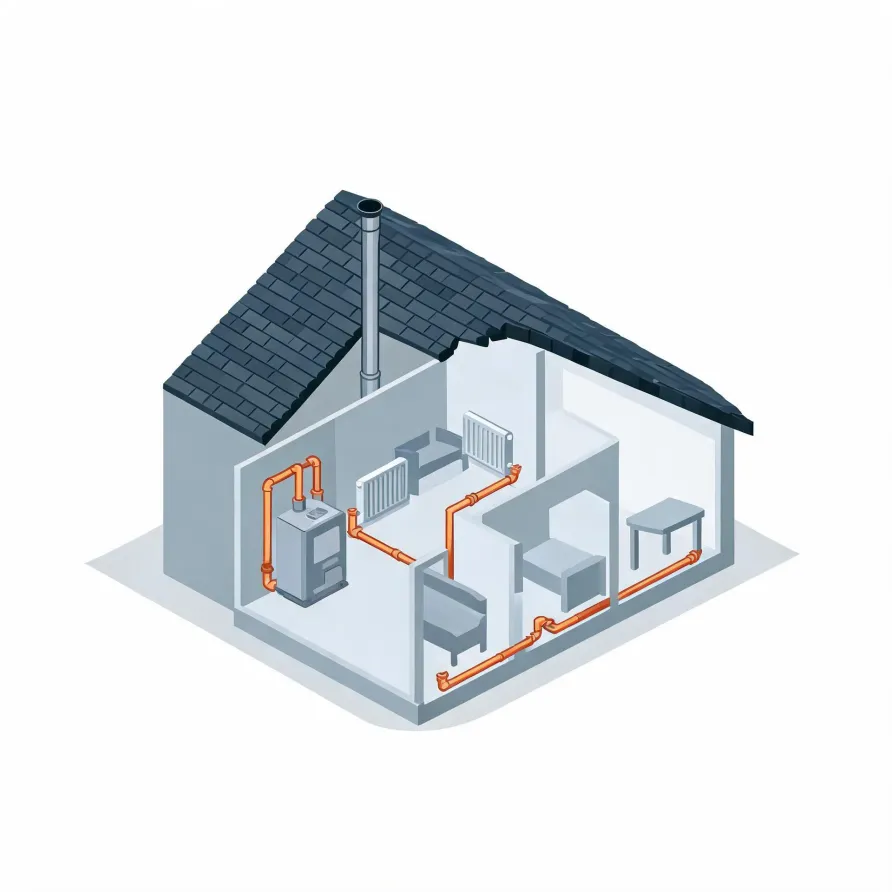
The boiler itself sits in the basement or mechanical room and is the piece a contractor goes to first. It heats water and circulates it through the system. The burner, heat exchanger, and pressure relief valve all live inside or directly on that unit, and any of them can be the source of a heating failure.
Radiators or baseboard convectors sit throughout the living spaces and release heat into each room. Connecting them to the boiler are supply and return pipes, along with circulator pumps that keep water moving. Zone valves, expansion tanks, and the aquastat also sit close to the boiler and are common points of inspection when the system behaves unevenly or loses pressure.
The drawing shows a typical boiler layout, and a licensed contractor determines which components apply and what condition they are in for your specific home.
Get matched in Cook CountyCook County, Minnesota, by the numbers
135 severe weather events were recorded in Cook County, Minnesota between 2015 and 2024.
NOAA National Centers for Environmental Information, Storm Events Database, bulk CSV export, events 2015-01-01 through 2024-12-31.Half the homes in Cook County, Minnesota were built in 1988 or earlier (2020-2024 ACS 5-year).
U.S. Census Bureau, 2020-2024 American Community Survey 5-Year EstimatesCook County, Minnesota holds 6,079 housing units (2020-2024 ACS 5-year).
U.S. Census Bureau, 2020-2024 American Community Survey 5-Year EstimatesOwners occupy 77.7% of the occupied homes in Cook County, Minnesota (2020-2024 ACS 5-year).
U.S. Census Bureau, 2020-2024 American Community Survey 5-Year EstimatesBoiler Repair Rules and Codes for Cook County, Minnesota2 sourced rules and standards
Licensing and Legal Requirements in Cook County, Minnesota
Minnesota defines a mechanical contractor as a business that installs, repairs or maintains heating, ventilating, cooling or refrigeration systems — the definition that carries the exemption from the residential contractor licence.
Minnesota's residential contractor licence does not reach HVAC work: the licensing section carries its own exemption list, and a mechanical contractor is exempt from the licence requirement by name.
Severe Weather Events in Cook County
Extreme weather puts real strain on boiler systems. The heavier the workload a system carries through hard winters and sharp temperature swings, the more repair work it accumulates over time, and that workload is shaped by local conditions.
135 severe weather events, 2015–2024. Source: NOAA National Centers for Environmental Information, Storm Events Database.