Tell us about the job
Takes about a minute. No obligation.
A boiler repair in this area starts with the unit's service record, not the weather outside. 58 severe weather events were recorded in Koochiching County, Minnesota between 2015 and 2024. At that rate, severe weather is an event in this county, not a standing pressure on equipment, and a contractor diagnosing a failed heat exchanger or a dead circulator pump is not going to find the cause in storm load. What they find is usually years of deferred maintenance, a part that simply ran its course, or an original install that was never quite right.
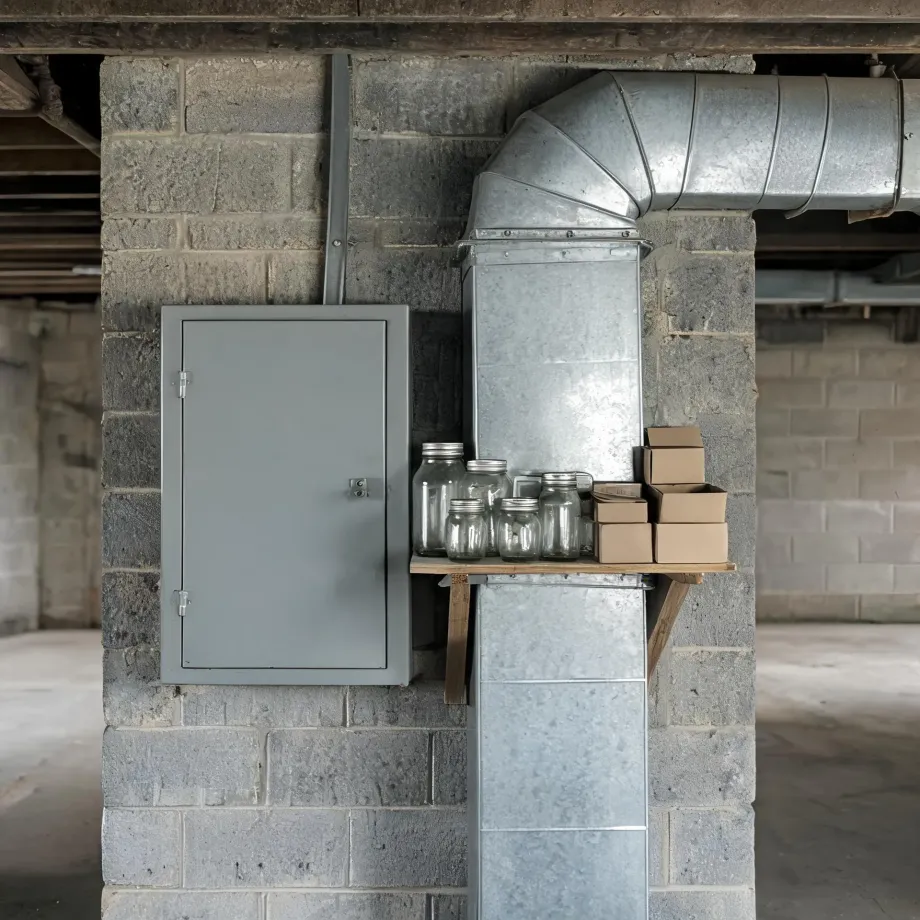
Boilers running in housing this old have often had burner assemblies, heat exchangers, or controls that predate the current supply chain for those parts. Half the homes in Koochiching County, Minnesota were built in 1972 or earlier (2020-2024 ACS 5-year). A contractor opening a boiler here has to confirm what the unit actually takes before a repair scope can be set, because a part that exists in a catalog is not the same as a part a supplier has on hand for equipment of that age. The gap between what is needed and what ships quickly is what determines whether a repair wraps in a day or stretches.
The Parts of a Boiler a Contractor Checks First
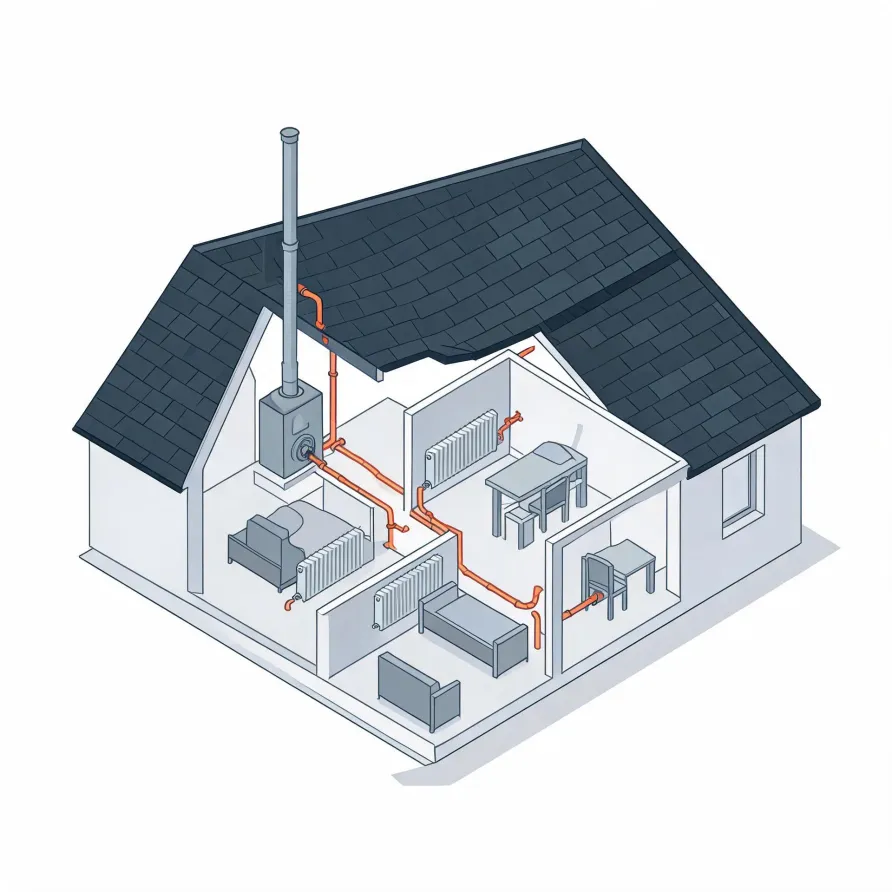
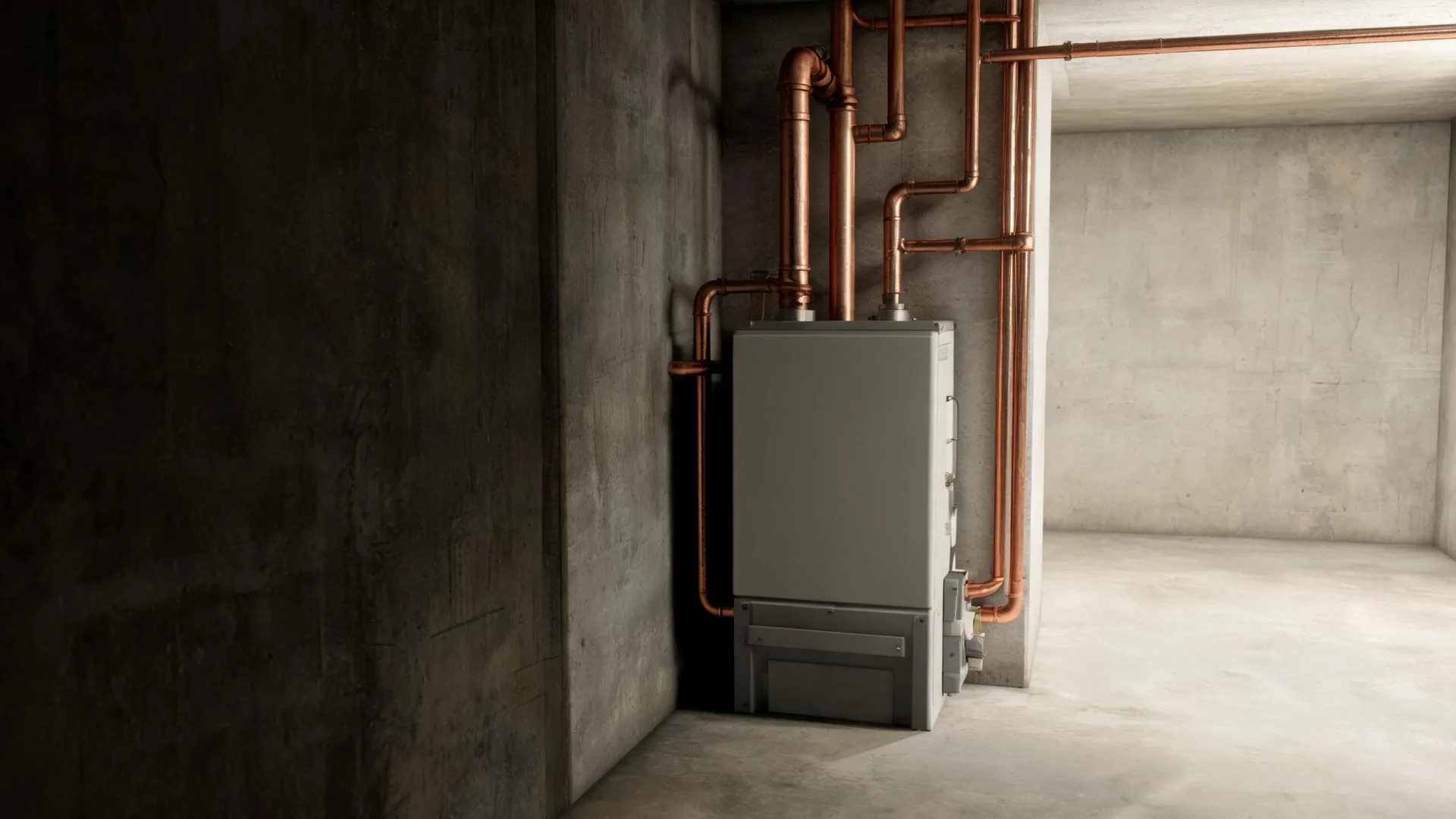
The boiler itself sits in the basement or a mechanical room and is the piece a contractor looks at first. Inside it, the heat exchanger and burner assembly are where most problems originate. A cracked heat exchanger, a failed igniter, or a faulty gas valve will each stop the system in different ways, and a contractor reads the symptoms to find which one.
From the boiler, pipes carry hot water to radiators or baseboard units in each room, and those terminal units are checked when a zone runs cold or not at all. The circulator pump, which moves water through the loop, and the expansion tank, which manages pressure, both sit close to the boiler and are common stops on any repair call.
The drawing shows a typical layout, and a licensed contractor determines which components and conditions apply to your specific system.
Get matched in Koochiching CountyKoochiching County, by the numbers
58 severe weather events were recorded in Koochiching County, Minnesota between 2015 and 2024.
NOAA National Centers for Environmental Information, Storm Events Database, bulk CSV export, events 2015-01-01 through 2024-12-31.Half the homes in Koochiching County, Minnesota were built in 1972 or earlier (2020-2024 ACS 5-year).
U.S. Census Bureau, 2020-2024 American Community Survey 5-Year EstimatesKoochiching County, Minnesota holds 7,426 housing units (2020-2024 ACS 5-year).
U.S. Census Bureau, 2020-2024 American Community Survey 5-Year EstimatesOwners occupy 80.4% of the occupied homes in Koochiching County, Minnesota (2020-2024 ACS 5-year).
U.S. Census Bureau, 2020-2024 American Community Survey 5-Year EstimatesBoiler Repair Rules on Record for Koochiching County, Minnesota2 codes, standards, and licensing rules
Licensing and Legal Requirements in Koochiching County, Minnesota
Minnesota defines a mechanical contractor as a business that installs, repairs or maintains heating, ventilating, cooling or refrigeration systems — the definition that carries the exemption from the residential contractor licence.
Minnesota's residential contractor licence does not reach HVAC work: the licensing section carries its own exemption list, and a mechanical contractor is exempt from the licence requirement by name.
Severe Weather Events in Koochiching County
Boilers in Koochiching County work against whatever the climate throws at them, and hard weather accelerates wear on components that already run near their limits. How often that pressure arrives is a local fact, and it shapes what repair and maintenance look like here.
58 severe weather events, 2015–2024. Source: NOAA National Centers for Environmental Information, Storm Events Database.